
No products in the cart.
Ultra‑Low‑Power Smart Vision Camera — NeoEyes NE101 (ESP32‑S3 Based)
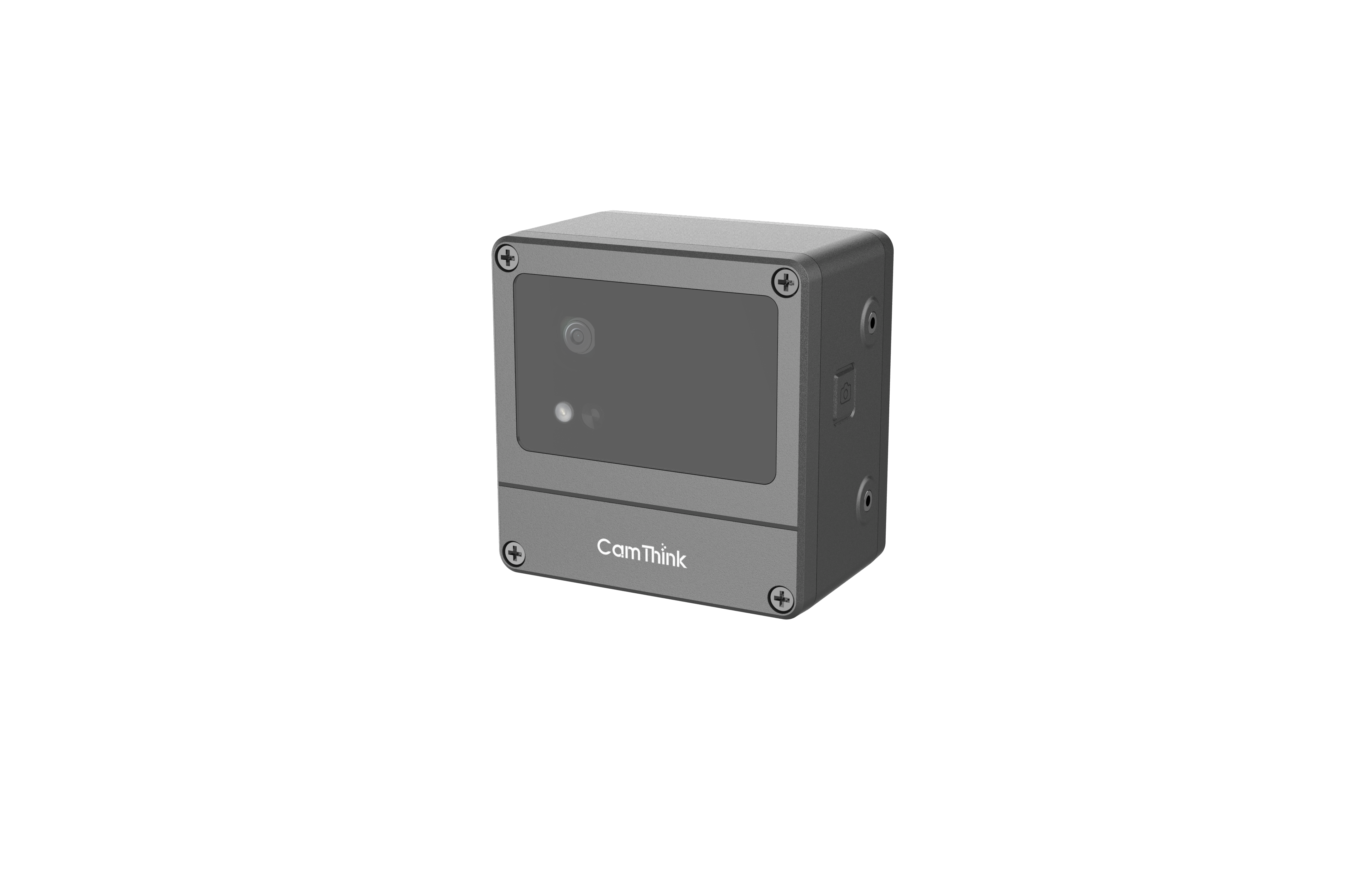
The CamThink NeoEyes NE101 is an event-triggered, ultra-low-power smart vision camera. Featuring a modular, open-architecture design, it supports multiple external triggers (PIR/radar/sound, etc.). The camera autonomously wakes up and captures images based on trigger conditions, significantly extending battery life and allowing developers to flexibly expand functions for rapid commercialization.
Are you concerned about these real‑world deployment scenarios?
- No mains power / wiring is difficult: Many outdoor or distributed sites lack power. Pulling cables is costly and slow. Battery power becomes a practical choice for lightweight deployment.
- Event‑driven / non‑real‑time: Many scenarios don’t need 24/7 video. They only require event‑triggered capture or scheduled snapshots. Conventional cameras consume power even when “idle”, sharply shortening battery life. On‑demand wake for low‑power operation matches business needs better.
- Periodic inspections: With many scattered points (farmland, forests, mountains, along lines), frequent maintenance is infeasible. Maintenance frequency and labor cost scale linearly with deployment size, making OPEX hard to control.
- Weak networks / limited data plan: In mountainous or protected areas, networks are unstable and data fees are limited. High‑power devices consume more energy and data to stay online. Low‑power devices can upload quickly during short online windows (e.g., Cat‑1), reducing energy and data costs.
- Ambient temperature & reliability: Heat from high‑power devices leads to throttling, black screens, or crashes under summer sun or sealed enclosures. Low power reduces thermal load and lets the device sleep when not needed, improving long‑term stability and reliability.
- Lightweight deployment: Temporary monitoring stations, construction sites, campgrounds, and other periodic or temporary activities aren’t suitable for complex power supplies. Smaller devices and power packs, easy installation, flexible deployment, and low migration costs.


If the above sounds familiar, the NeoEyes NE101 ultra‑low‑power smart vision camera is your best choice. With an ultra‑low‑power design, it solves short battery life and frequent maintenance in outdoor or no‑power scenarios, achieving a true “deploy once, monitor for long periods” experience. Below we detail NeoEyes NE101’s breakthrough endurance and core technology.
Breakthrough Long Battery Life
NeoEyes NE101 can be battery‑powered. Under typical usage of 5 snapshots per day (based on test data), the endurance is impressive:
- WiFi version: With the fill light off, battery supports up to 2.73 years of operation.
- WiFi‑Halow version: With the fill light off, endurance reaches 2.59 years.
- Cat‑1 version: With the fill light off, Up to 1.24 years of stable operation.
This means batteries can be replaced on a yearly cadence in many deployments, greatly reducing labor and time costs.
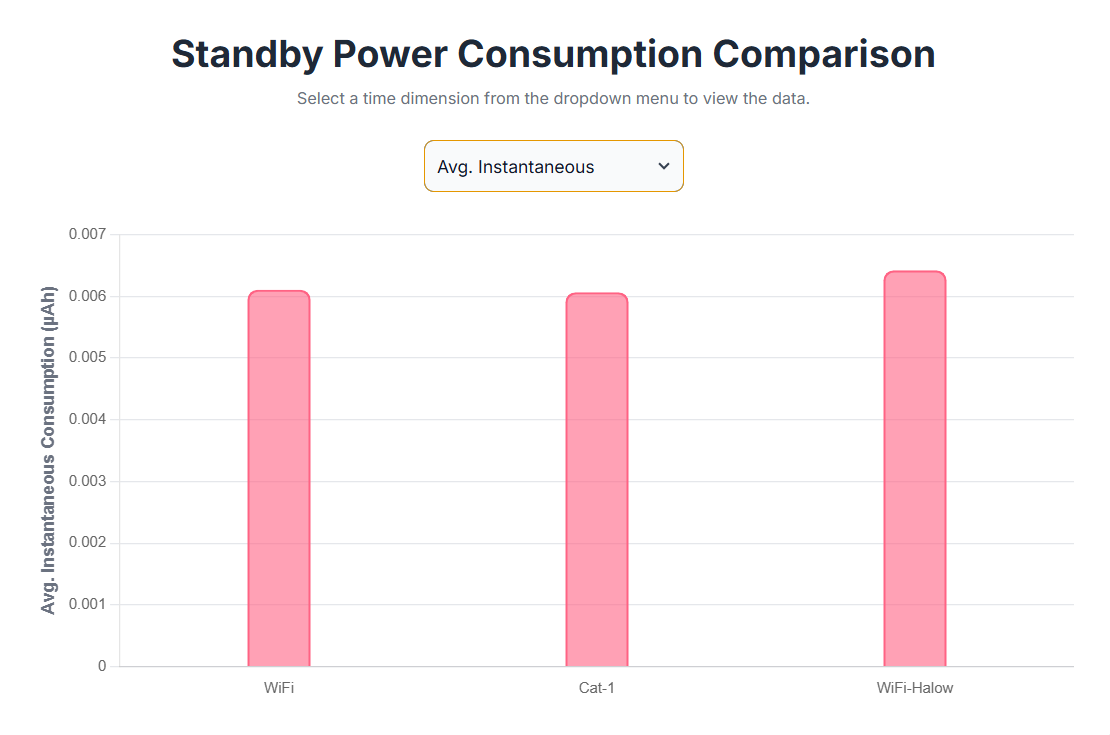
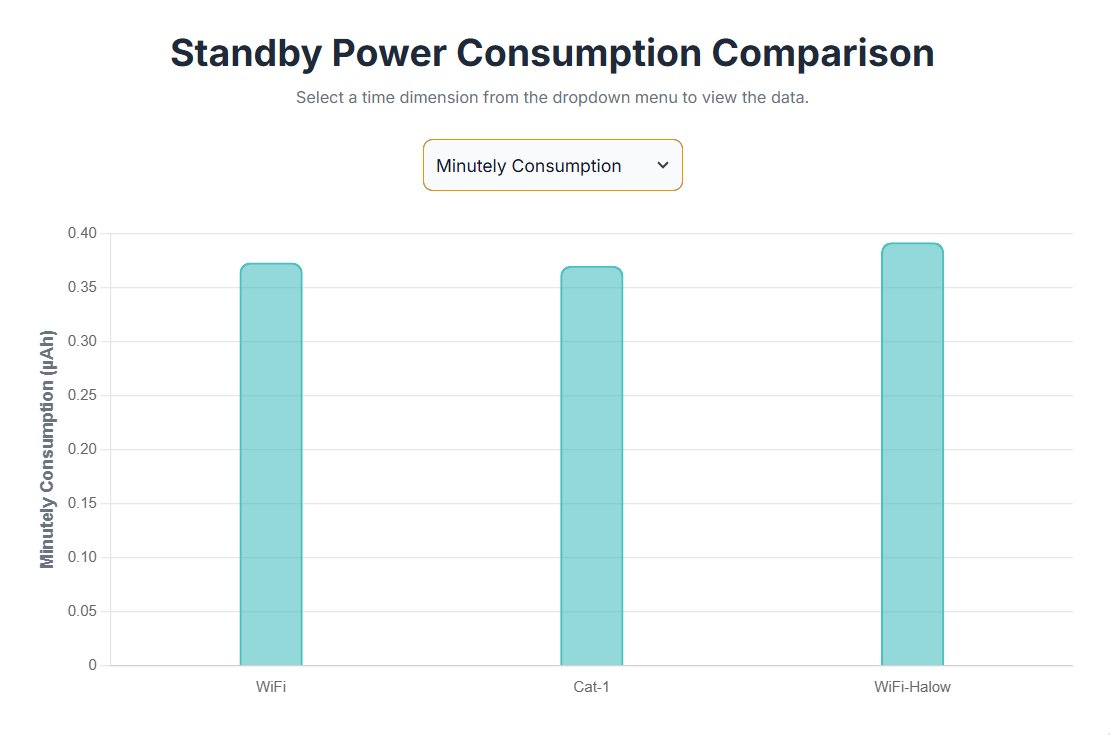
Detailed power consumption data for NeoEyes NE101:
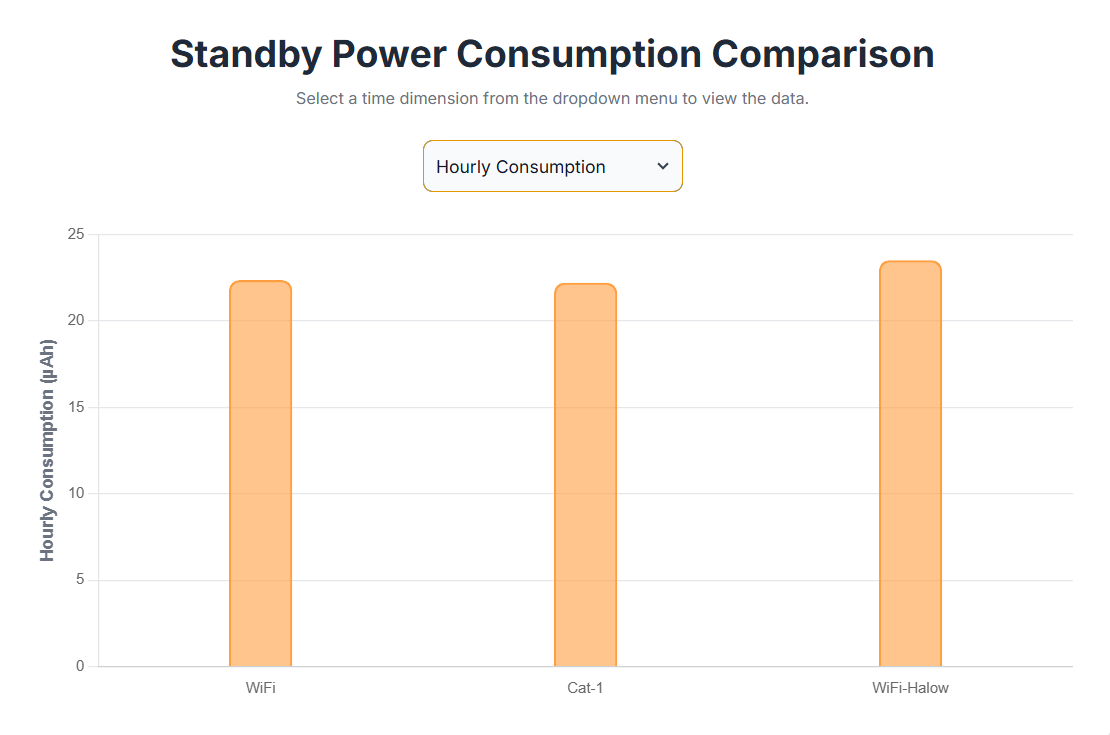
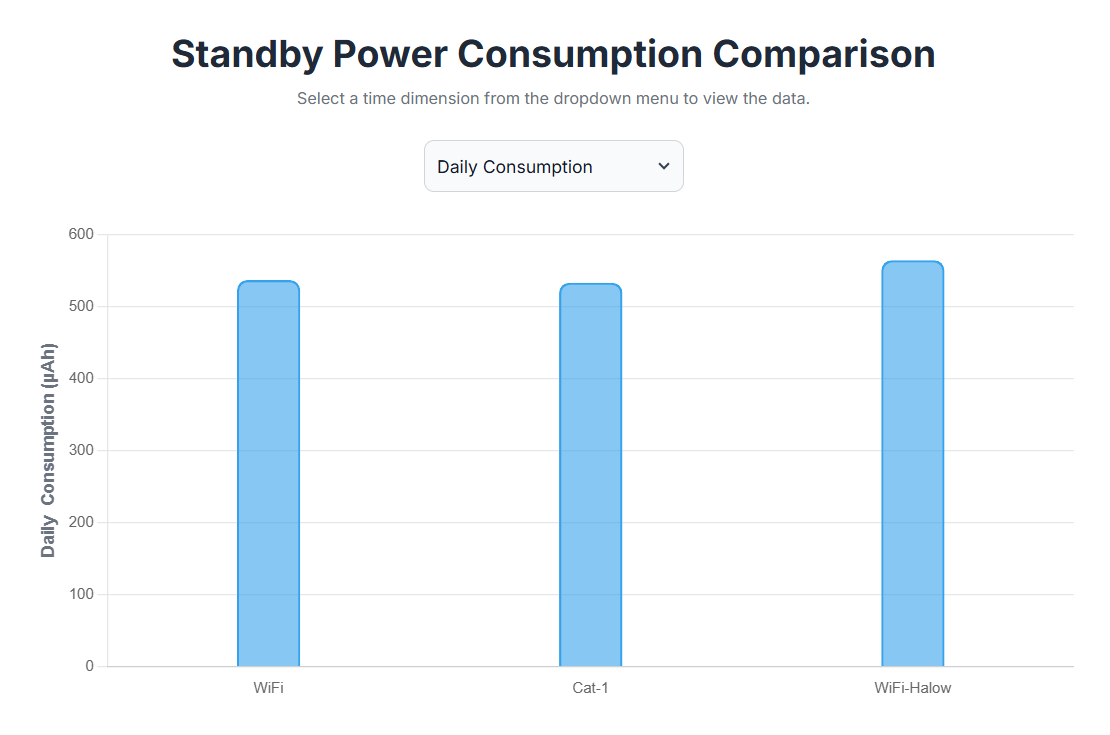
| Standby (μAh) | WiFi (μAh) | Cat‑1 (μAh) | WiFi-Halow (μAh) |
|---|---|---|---|
| Avg instantaneous | 0.006208 | 0.006167 | 0.006528 |
| Per minute | 0.373 | 0.370 | 0.3917 |
| Per hour | 22.35 | 22.20 | 23.50 |
| Per day | 536.4 | 532.8 | 564.0 |
Note: The above are test data for reference only.
Core Technology: Dual‑Core Architecture & Smart Sleep
- ESP32‑S3 dual‑core heterogeneous design
240 MHz dual‑core Xtensa® LX7 main processor + RISC‑V ultra‑low‑power coprocessor. The coprocessor manages low‑power tasks such as RTC timers, GPIO wake, and power‑state switching. When the main cores enter deep sleep, the coprocessor keeps running, ensuring timely responses at extremely low power, achieving chip‑level efficiency. - Smart sleep mechanism
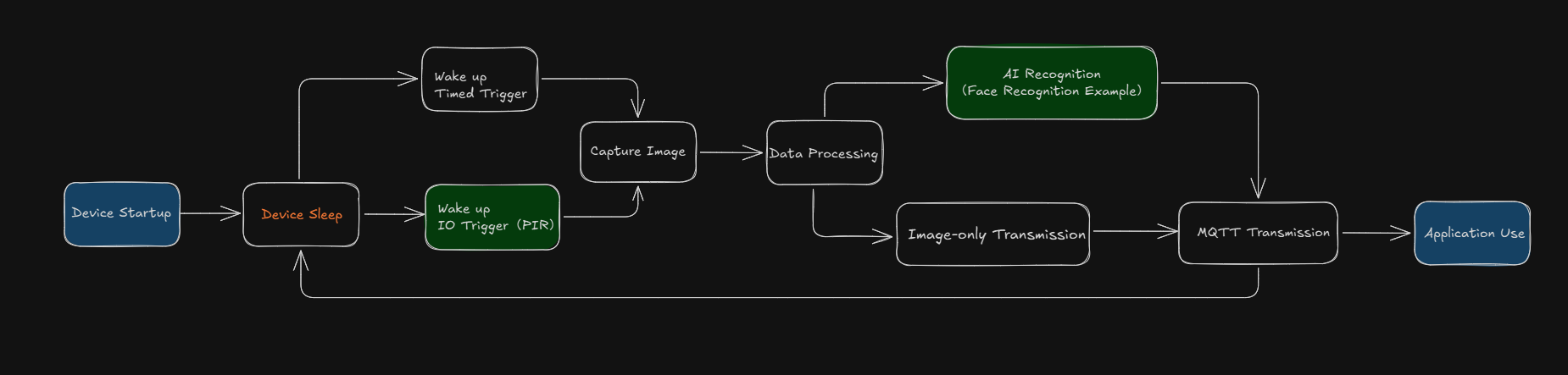
NeoEyes NE101 does not run 24/7. It adopts an efficient “work on demand” mode. For the vast majority of time, the device stays in deep sleep consuming ~21 µA. It wakes on schedule or sensor input (e.g., PIR) to capture, process, and upload. The entire cycle takes 10–20 seconds, then it returns to sleep. This repeated cycle reduces communication overhead and eliminates energy waste outside working windows.
To capture rich detail under varying lighting conditions, the system performs auto-exposure (AE) convergence from an initial state to the optimal exposure. The default firmware allows 5 seconds for AE convergence, balancing image quality and energy efficiency.NeoEyes NE101 also supports timed capture and scheduled reporting so data upload timing is controllable. See the overall workflow diagram below.
Overall, NeoEyes NE101’s outstanding performance stems from tightly integrated hardware/software design and its unique operating logic—defining its ultra‑low‑power characteristics.
Boundless Applications: Fits Diverse Scenarios
NeoEyes NE101’s ultra‑low‑power traits and IP67 protection make it suitable for many scenarios while offering a cost‑effective solution.
Typical Scenarios
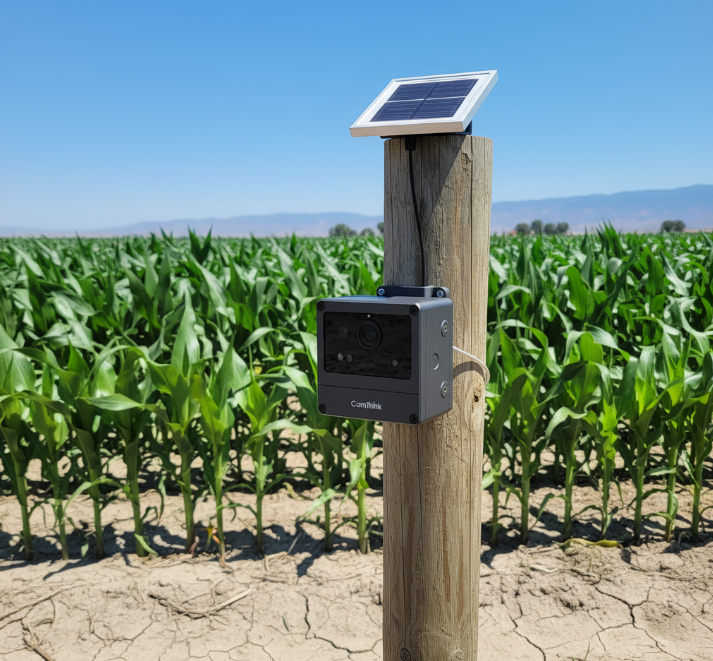
- Smart agriculture: Dispersed points, no mains, high sun exposure → Timed capture + event triggers, short online reporting to the agri platform; maintenance‑free or very low‑frequency maintenance year‑round.
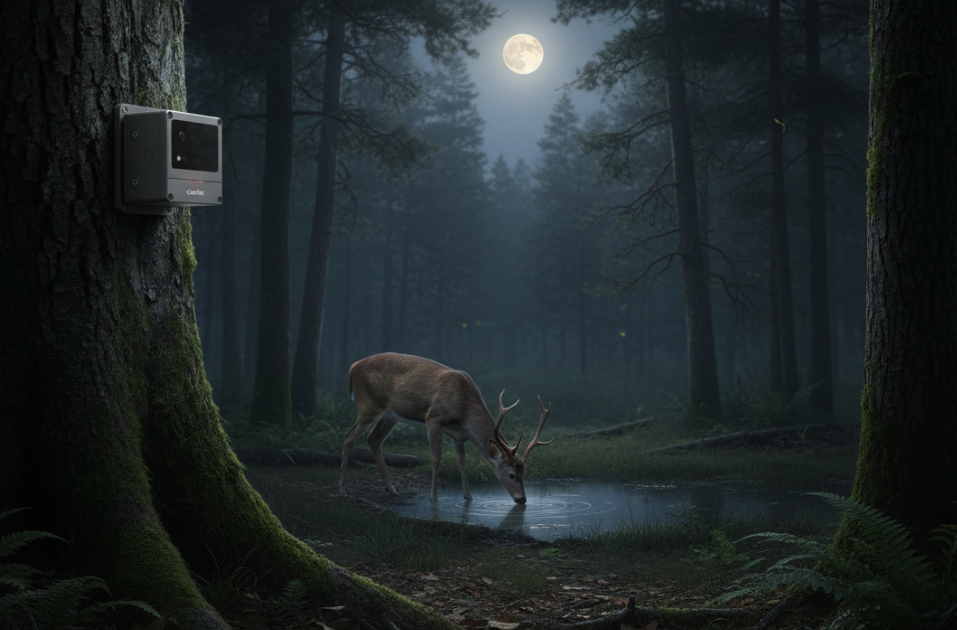
- Wildlife protection: No wiring or light pollution; human presence disturbs animals → Long standby, disable fill light at night, event triggers for instant capture; reduced manual operations and disturbance.
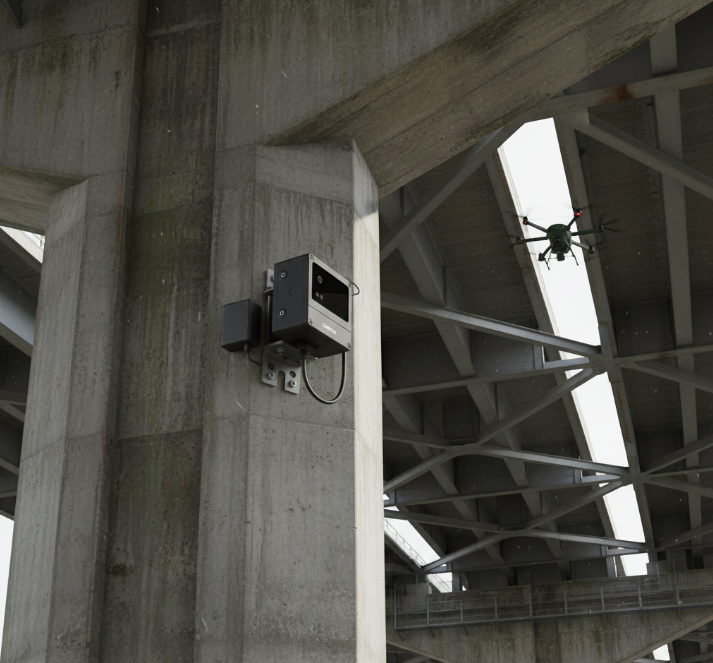
- Infrastructure inspection (bridges/towers/pipes): long‑term patrol; conventional plans require cabling or large power boxes → Small battery packs, unified scheduled reporting, lower inspection cost and risk.
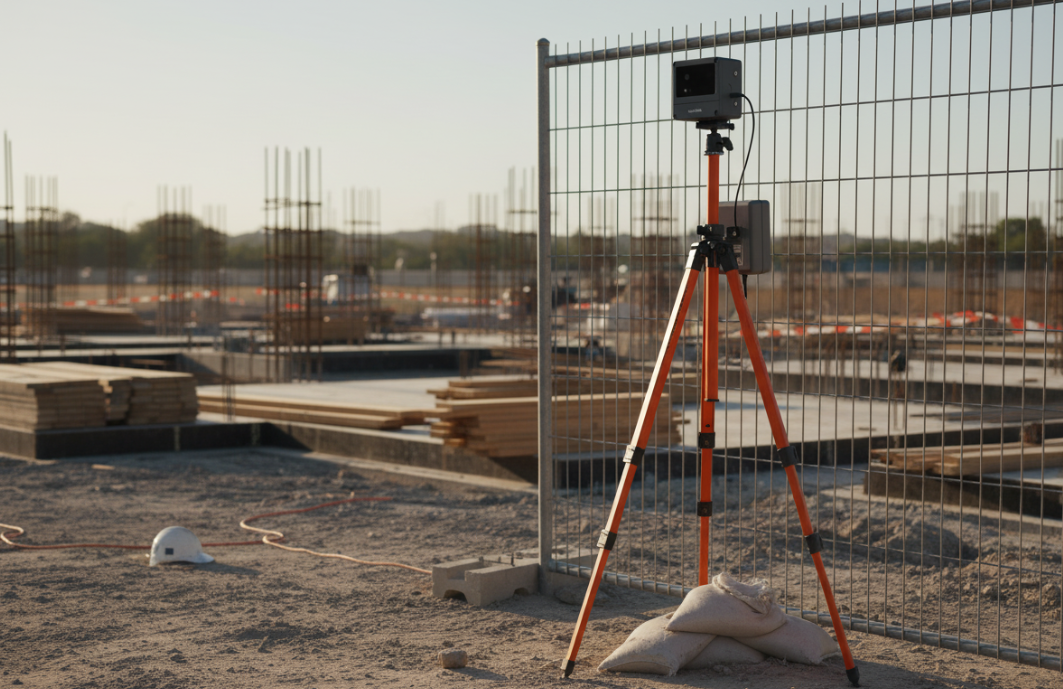
- Temporary security & construction: project phases change; frequent site relocation → Lightweight device; low‑power, no cabling; fast deployment and migration; weekly or monthly maintenance.
In short, NeoEyes NE101’s system‑level design—deep sleep + on‑demand wake + multiple network options—makes long endurance the default. In no‑power, weak‑network, harsh environments, and temporary deployments, it achieves lower total cost of ownership and higher O&M efficiency, addressing the core pain points of traditional high‑power solutions.
Maintenance tip: Replace the battery around 30% remaining to ensure stable operation.