How to Add Vision AI to an Existing Device with NeoEyes NE302
A practical way to check camera position, board space, power, optics, triggers, and network fit before designing NE302 into an indoor device.
Start with the Camera Position
The first integration question is not whether an AI model can run. It is whether the camera can see the target from a stable position. A good position gives the lens an unobstructed view, keeps the subject large enough in the frame, and avoids large changes in angle or lighting.
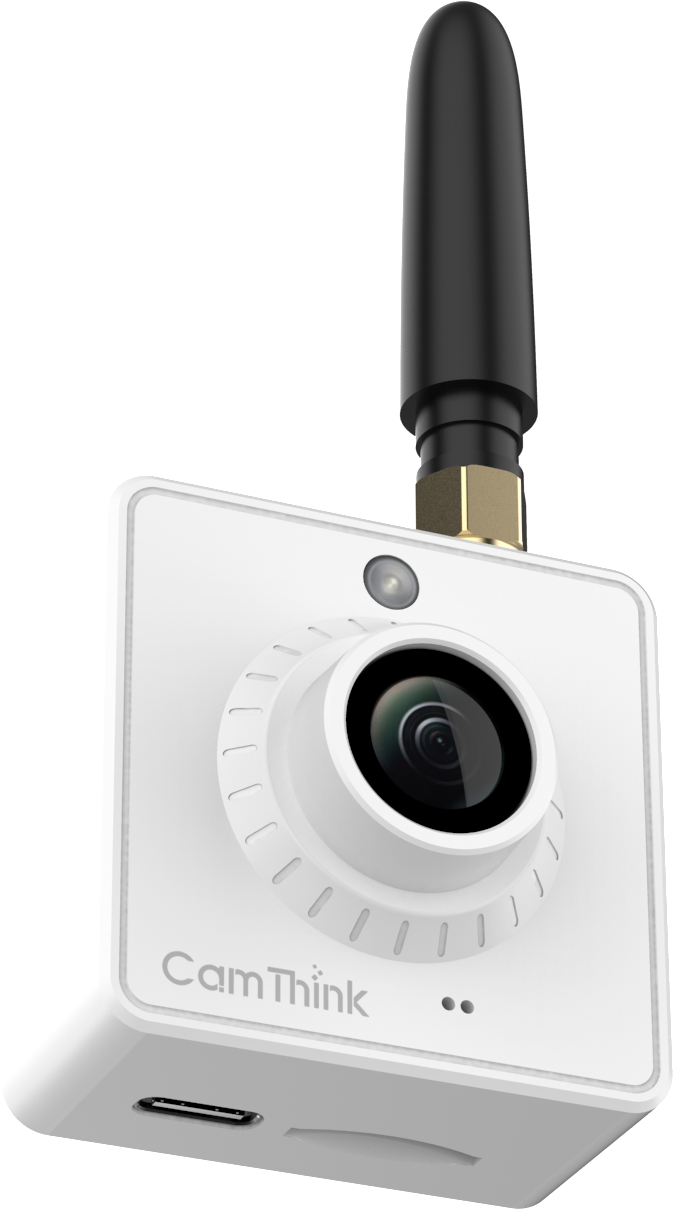
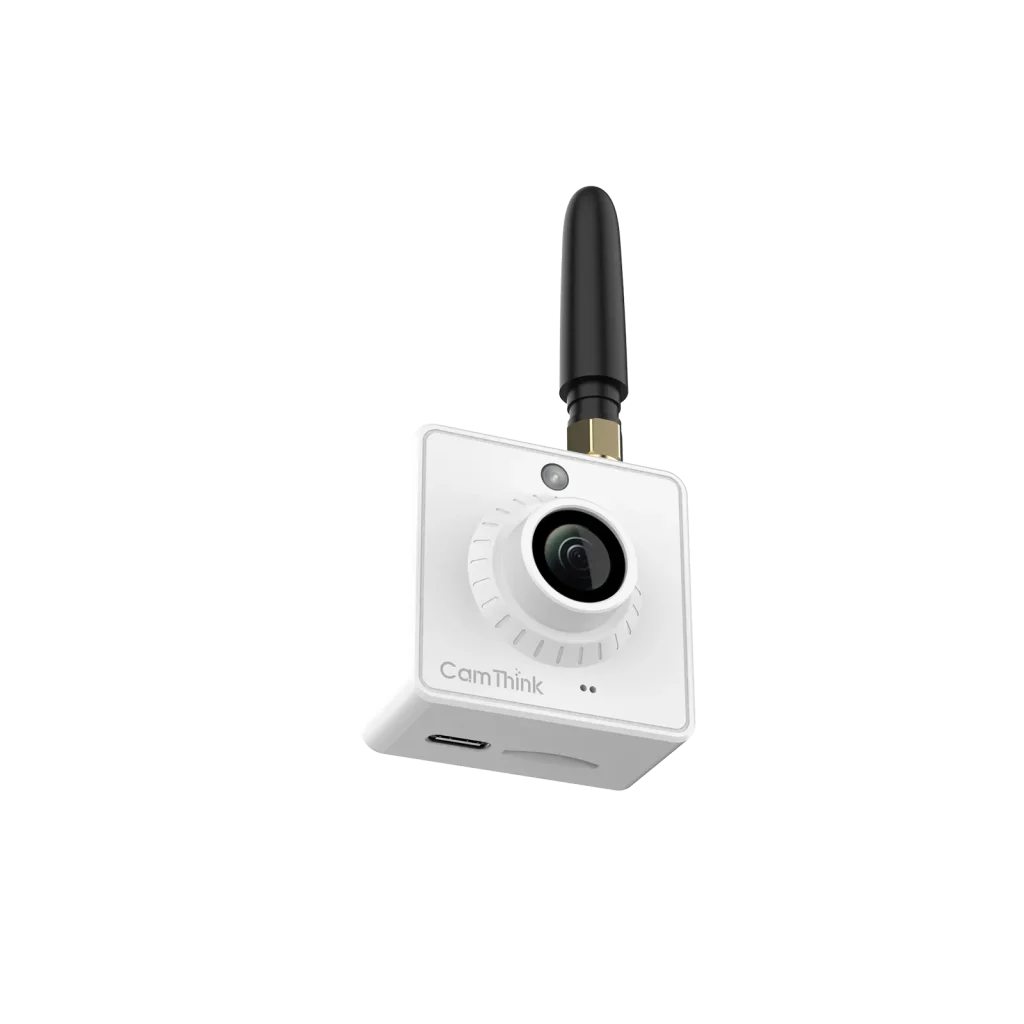
NeoEyes NE302 is a compact indoor vision node for fixed camera tasks. It combines a 4 MP image sensor, an STM32N6 with local INT8 acceleration, storage, wireless communication, and a browser based console. That removes much of the work needed to assemble a camera evaluation platform, but the installation still determines the quality of every image the model receives.
NE302 can be evaluated as a complete two-board device before a team considers board-level integration.
Choose the Complete Device or Main Board
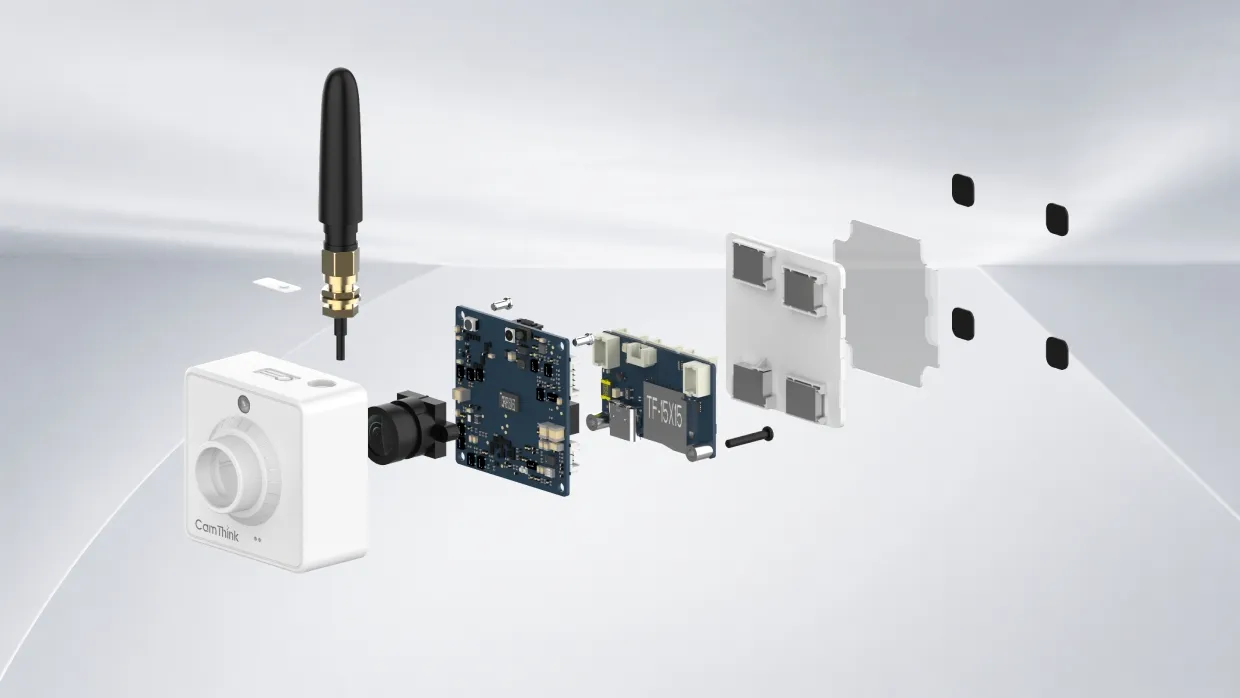
The complete NE302 includes a Main Board and Interface Board. The Interface Board provides USB Type-C power, MicroSD storage, controls, programming access, and service connections. This form is the practical starting point for previewing a scene, validating a model package, testing triggers, and reviewing stored records.
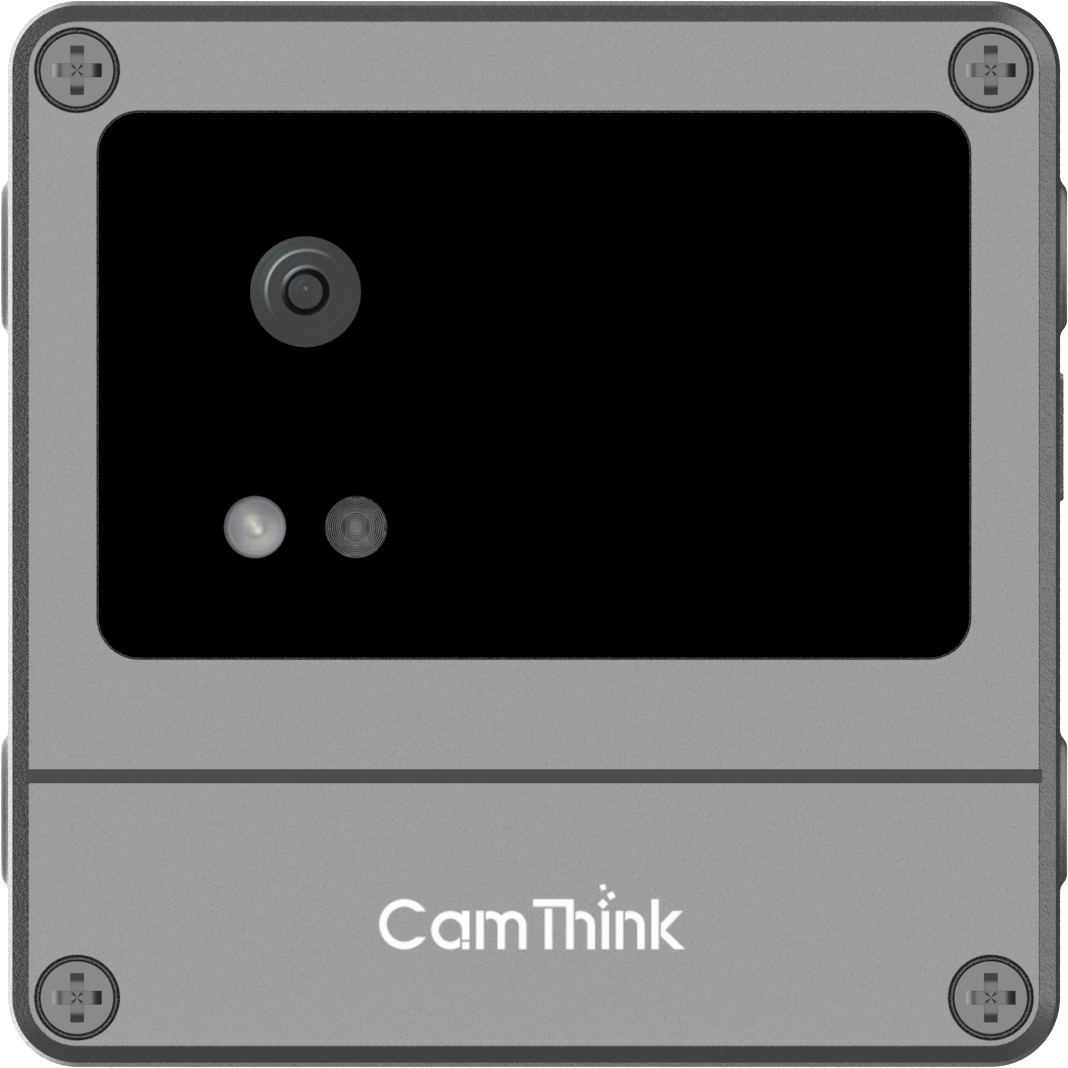
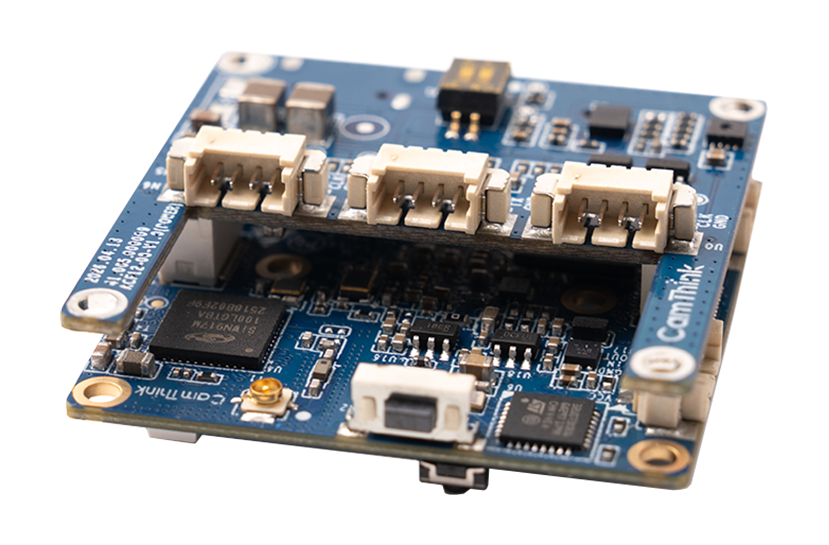
The 38 × 38 mm Main Board carries the camera, STM32N6, STM32U0 control MCU, 32 MB PSRAM, 64 MB SPI Flash, and wireless circuits. It can be used for a board-level design with project-specific DC power. The MicroSD slot belongs to the Interface Board, so a Main Board-only design does not inherit that removable storage path.
The Main Board contains the vision and compute path. The Interface Board adds power, MicroSD, controls, and development access.
Check Space, Power, and Service Access
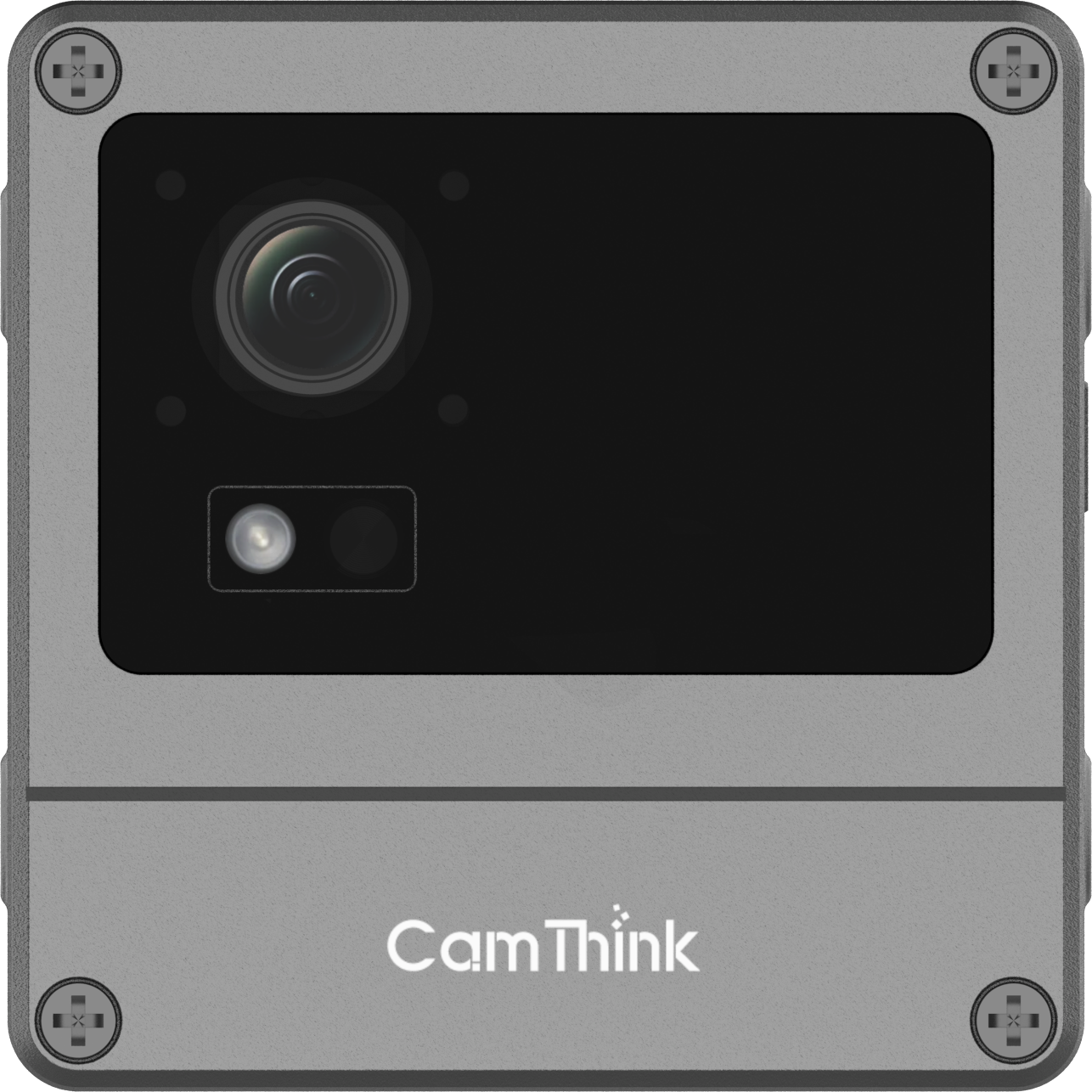
The standard enclosure measures 42 × 42 × 20 mm. Its rear magnetic mount or 3M adhesive can support a quick indoor installation. A product enclosure needs more than the nominal dimensions, however. Leave clearance for the lens opening, antenna, power path, cable bend, heat, and any access required to remove or service the camera.
Check
Complete device
Main Board path
Power
Continuous 5 V through USB Type-C, or a compatible external USB battery pack
DC power according to the delivered hardware record
Storage
MicroSD on the Interface Board plus device-managed internal Flash
Internal Flash; no Interface Board MicroSD slot
Mounting
Rear magnet or 3M adhesive for the standard enclosure
Mechanical retention belongs to the host product design
Service access
Keep power, antenna, controls, and card access clear
Plan programming, debug, antenna, and power access around the carrier design
NE302 uses an M12 lens and is offered with 88° or 137° horizontal field of view options. The wider lens covers more of a nearby scene. The narrower lens keeps a smaller area across the image, which can preserve more pixels on the target when the camera position is unchanged.
Choose the lens only after fixing four values: the mounting position, working distance, required scene width, and smallest target detail. Then inspect the actual preview and saved image. HFOV alone does not account for enclosure cutouts, edge distortion, focus, lighting, ISP settings, or the pixels that a model needs for a reliable decision.
Use a fixed target with known dimensions during the first image check.
Test the darkest and brightest expected conditions, not only a well-lit desk.
Check the frame edges if the target can appear away from the optical center.
Run inference on images captured from the final angle before locking the mechanical design.
Decide How the Device Will Wake and Connect
A camera that fits mechanically can still be wrong for the workflow. NE302 supports continuous operation, scheduled capture, PIR or IO triggering, and remote control through MQTT as exposed by the current firmware. It can report results through MQTT or MQTTS and Webhook, and it can provide video through RTSP or RTMP.
For a state check, a scheduled or external trigger may be enough. A terminal that must react to a user may use an event input. A live viewing workflow needs continuous power and a video path. Decide which output the host application needs before choosing storage and network behavior.
Know When NE302 Is the Wrong Fit
NE302 is designed for compact indoor tasks. It is not the default choice for an exposed outdoor site, standard PoE installation, cellular field node, multiple image sensors, depth sensing, large models, or general surveillance. Those requirements point to a different camera or edge-compute class.
The STM32N6 accelerator is rated up to 0.6 TOPS INT8, but that number does not tell you whether a model will fit. Model architecture, supported operators, input size, quantization, memory, preprocessing, postprocessing, and the matching runtime version all matter.
Run a One-Image Fit Test
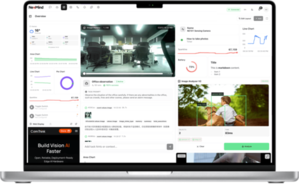
Mount the complete device at the intended position, open the Web console, and save one image of the real target. Check coverage, target size, focus, reflections, and lighting. Load an NE302 model package, validate a known image, then run one real capture and confirm that Records contains the expected entry.
If that path works, the team has evidence for the camera position, lens, model, and output requirement. Detailed assembly, configuration, and flashing procedures belong in the NE302 Wiki, where they can stay aligned with the delivered firmware and hardware revision.
HH
Harry Hua
CamThink Technical Director
Harry works with edge vision hardware, embedded AI deployment, and camera-to-system integration at CamThink.