CamThink Turns One: Open Edge AI Hardware for Real-World AI Deployment
CamThink Team
On July 15, 2026, CamThink marks one year since launch.
We are keeping the moment small, but it is worth pausing for. A year is enough to test a direction through customer conversations, documentation work, integration feedback, and real deployment problems. For CamThink, that direction is clearer now: build edge AI hardware, software, and developer resources that developers and system integrators can actually work with.
That means more than cameras and compute boxes. It means shared firmware and drivers, GitHub repositories, wiki docs, SDKs, APIs, and software that helps teams turn edge devices into working systems. MQTT, REST, RTSP, GPIO, I2C, Webhook, BLE, and containerized workflows all matter when a device has to join a real deployment.
What started to take shape
Over the past year, CamThink formed a product system around three lines: NeoEyes, NeoEdge, and NeoMind.
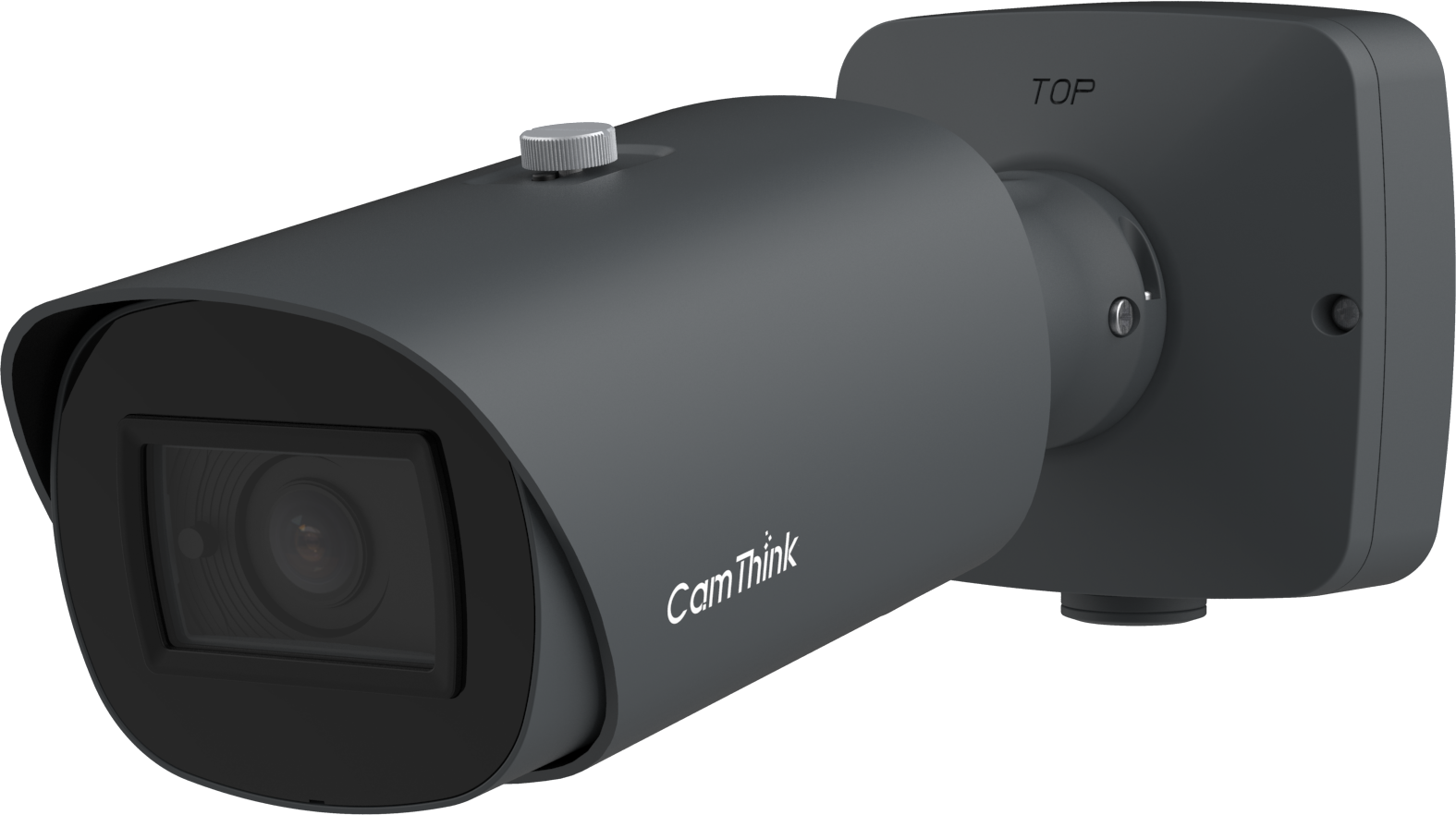
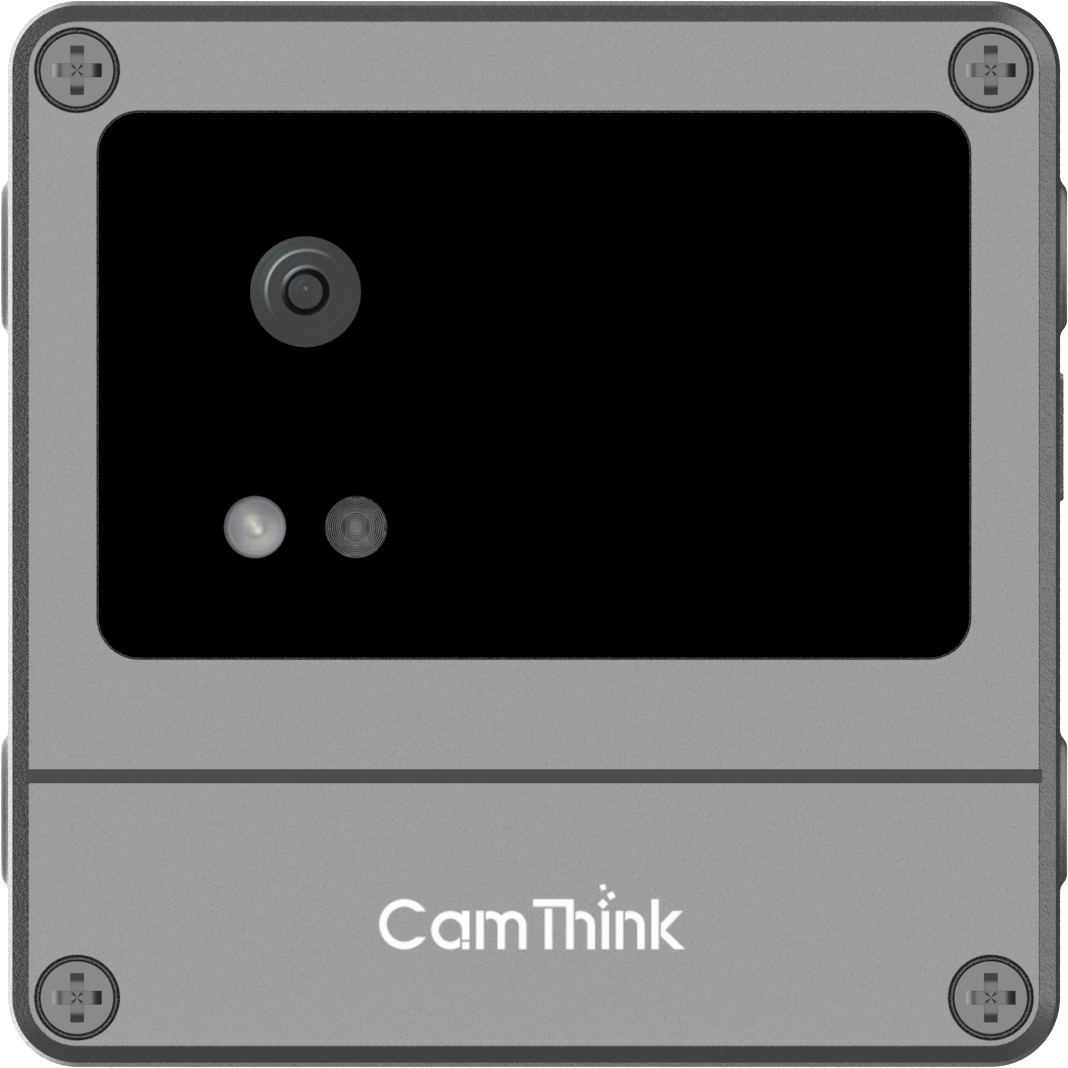
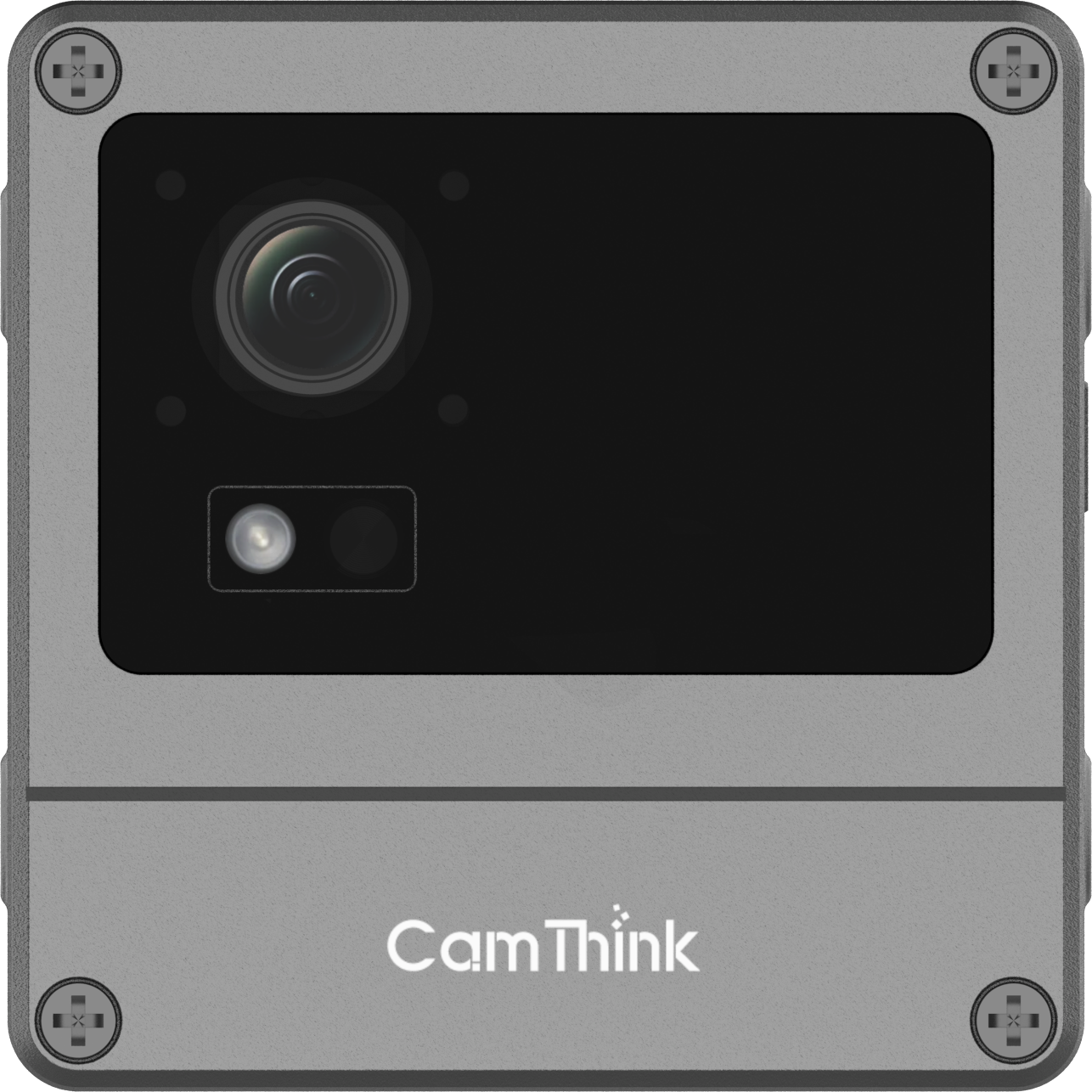
NeoEyes started with low-power vision sensing. NE101 was built for remote, battery-powered image capture, with open-source firmware and MQTT reporting, and NE301 extended that into MCU-based vision AI and sensor expansion. NE503 brings the same approach to fixed-site deployment, with 4K imaging, local inference, containerized apps, REST API, Python SDK, and structured event output. For security, inspection, or automation, the camera works as an edge node, not just a passive video source.
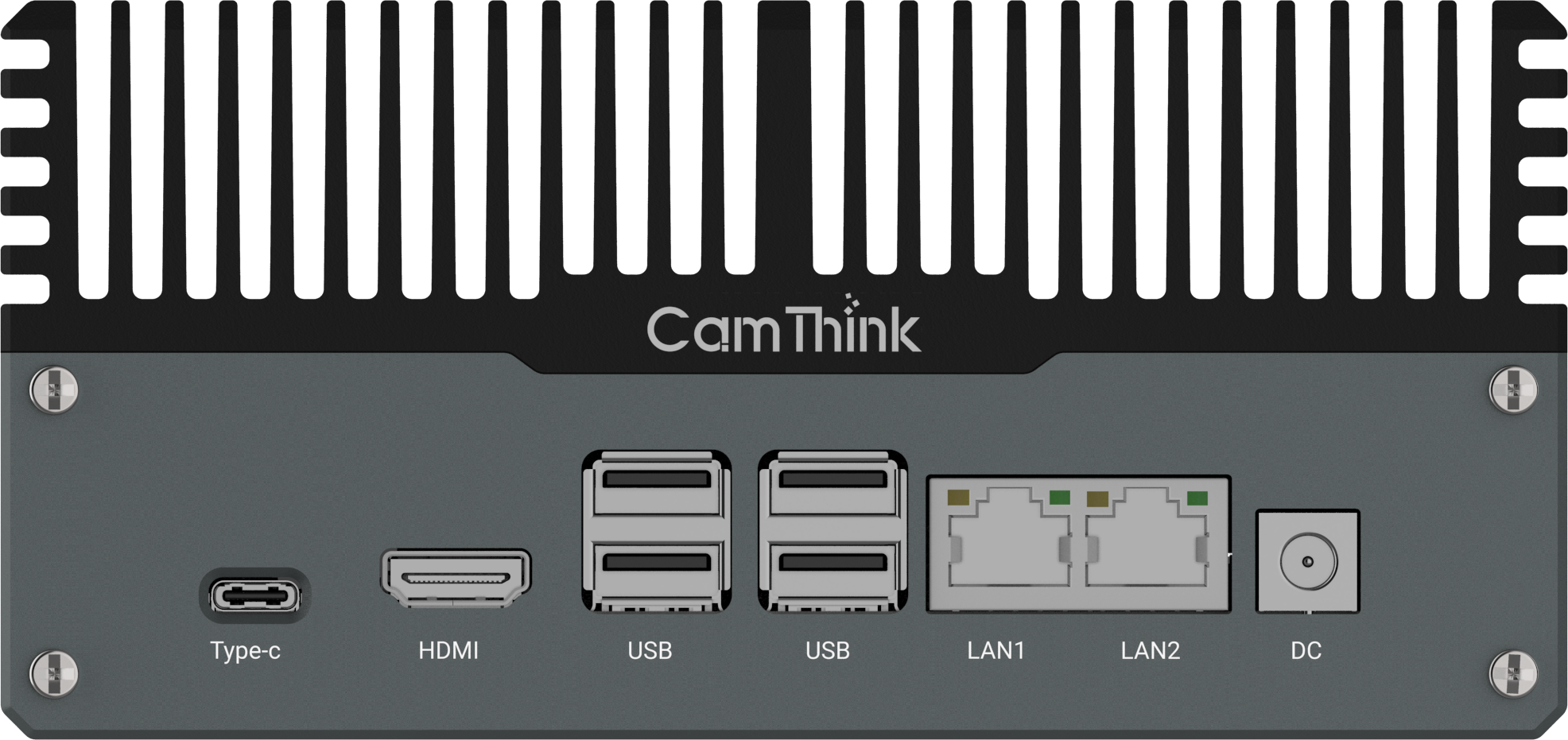
NeoEdge adds compute when the workload gets heavier. NG4500, based on NVIDIA Jetson Orin platforms, handles industrial AI deployment, multi-camera processing, robotics, and smart factory workloads.
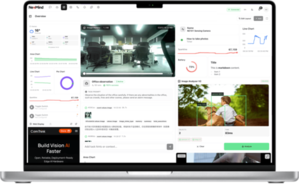
NeoMind is the software side. It connects devices through MQTT, BLE, and Webhook, gives teams device management and real-time dashboards, supports rule-based automation, and brings LLM-powered agents closer to the hardware.
What open means here
For CamThink, open means fewer unknowns between a prototype and a deployed system. A developer should be able to inspect code, read interface docs, and test data output without a custom support cycle. An integrator should connect cameras, sensors, and software without rebuilding glue code for every project. That is why CamThink keeps investing in wiki guides, GitHub examples, SDKs, APIs, and deployment accessories, and why NeoMind keeps cloud services optional rather than required for industrial, campus, retail, and remote-site work where latency, privacy, and network stability matter.
What we learned
Customers told us directly: they do not want a camera, computing box, or software layer that turns into another black box. They need a platform they can understand, modify, integrate, and repeat across projects.
Many applications do not need another endless video stream. They need an alert, a count, a crop, a status update, or an inference result that another system can act on. A useful edge AI device should do more than see. It should notice when something changed, describe it clearly, and send the result in a format another system can consume.
Hardware and software choices cannot stay separate for long. A sensor node may need battery-aware reporting, a fixed camera may need local inference and event filtering, and a Jetson-based computer may need multi-camera coordination. The needs differ but meet inside the same deployment.
What comes next
In the next stage, CamThink will bring more edge AI hardware products to different real-world deployment scenarios, while continuing to provide developer resources, documented interfaces, and practical tools for integration. NeoMind will keep improving too, with better device onboarding, clearer dashboards, more practical automation, and more examples that connect physical devices with AI agents.
The work is not glamorous, but it is what separates a demo from a repeatable deployment: a system a customer can install, monitor, and trust.
Thank you to the early customers, developers, partners, and team members who built with us. One year is a start. We are more interested in what the next deployments will teach us.