Bottom line
For dispersed wildlife sites, start with a standalone LTE node. For several cameras around one reserve, field lab, trailer, farm, or water point, evaluate NE101 Wi-Fi HaLow nodes with a gateway and Starlink or Ethernet backhaul. If the site already runs LoRaWAN, treat it as a metadata channel, not an image transport path.
Why wildlife monitoring is different from ordinary outdoor surveillance
Most outdoor camera projects can tolerate a few compromises. Wildlife monitoring is less forgiving. A camera may sit 20 to 50 cm above the ground, point straight down at a 1 m square patch, wait for a frog or lizard, capture at night, survive rain or heat, and upload evidence through a weak network. That is not the same problem as a wall-mounted security camera.
The field notes behind this article came from several real inquiries: an Australian biodiversity project monitoring reptiles and amphibians, a protected-area technology company evaluating LoRaWAN cameras for ranger alerts, a Canadian trail camera build using NE101 with a Heltec Wi-Fi HaLow gateway, and a mountain field lab in Spain with fog, humidity, snow, icing, wildlife corridors, Starlink, and 4G/5G backup.
The repeated pattern is simple: buyers do not just need a camera trap. They need a low-power visual node that can wake at the right time, capture useful evidence, store data locally, and send the right payload to the right system.
Start with the architecture
Three architectures cover most remote wildlife and biodiversity monitoring projects.
Reference data path
Field camera
NE101 capture node or NE301 edge AI node
to
Trigger
PIR, schedule, GPIO, radar, or remote command
to
Storage
MicroSD image buffer and event records
to
Network
LTE, Wi-Fi HaLow gateway, or custom LoRaWAN metadata
to
AI workflow
On camera, gateway, server, or cloud pipeline
| Pattern | Best fit | Typical hardware | Main risk |
|---|
| Standalone LTE node | Scattered points with cellular coverage, such as water holes, nesting boxes, trail points, or small reserves. | NE101 LTE for image capture, or NE301 LTE when local detection is required. | SIM cost, weak signal energy draw, and coverage gaps. |
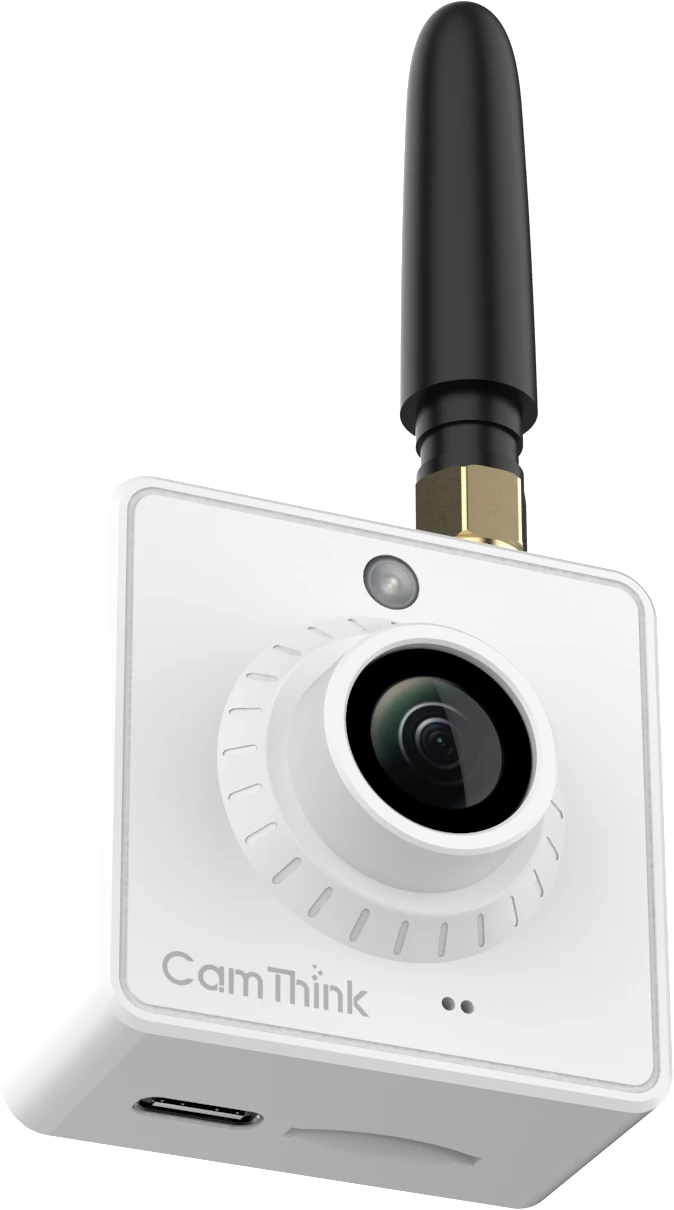
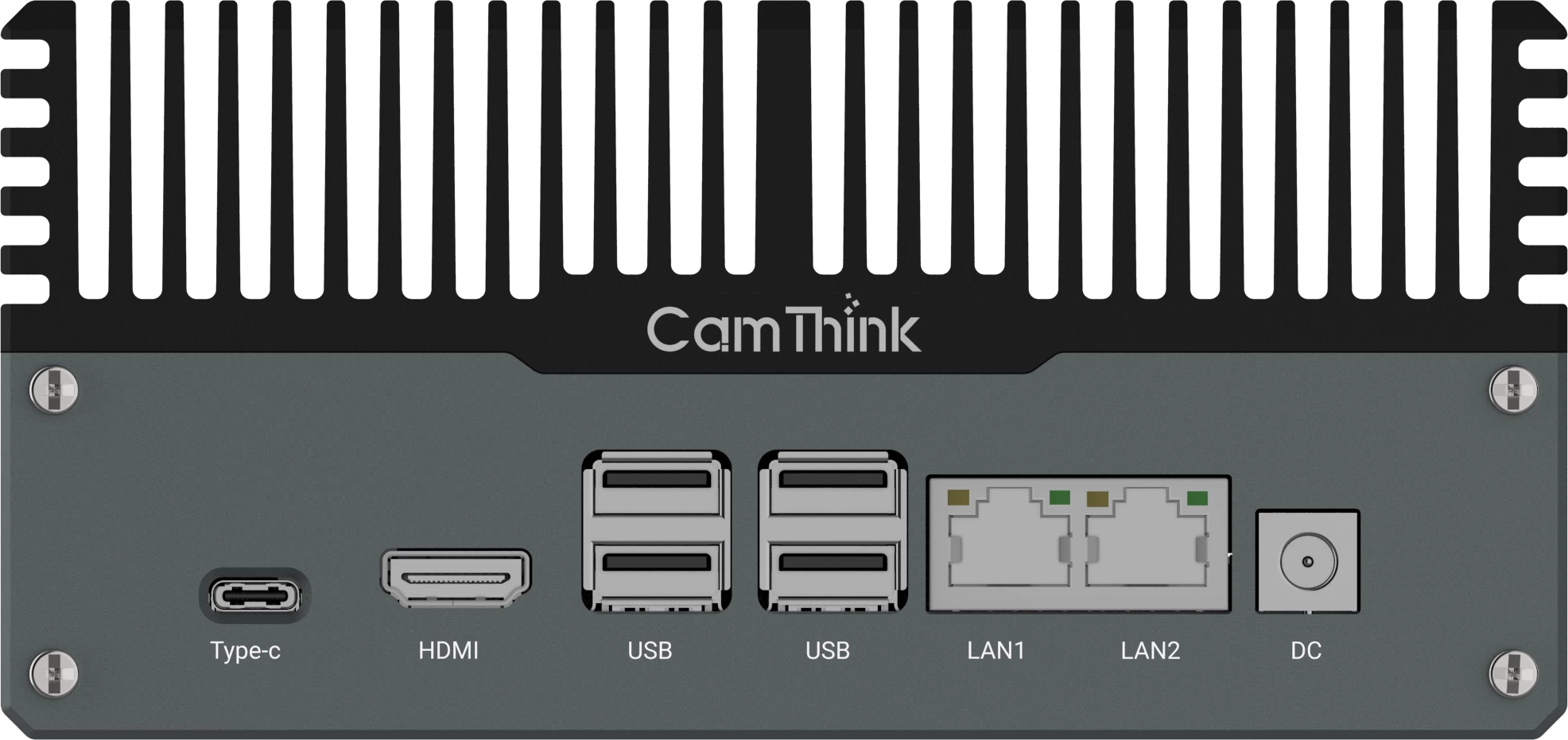
| Wi-Fi HaLow cluster | One area with several camera nodes, such as a field trailer, farm, valley, mountain lab, or reserve station. | NE101 Wi-Fi HaLow node, Wi-Fi HaLow gateway, Ethernet or Starlink uplink, solar or battery at each node. | Gateway placement, antenna height, enclosure, and power for the gateway. |
| LoRaWAN metadata path | Protected areas that already use LoRaWAN for trackers, ranger safety, or environmental sensors. | Custom NE301 integration, external controller, or custom communication module. Images stay on SD card. | LoRaWAN is suitable for small event metadata, not JPEG transfer. Product work is custom, not standard SKU behavior. |
| If the project needs live video, treat it as a different energy and network design problem. Most wildlife and biodiversity sites are better served by event images, metadata, and local storage. |
Choose the camera role
NE101 and NE301 solve different parts of the wildlife monitoring stack. NE101 is the lower-power capture node. NE301 is the stronger edge AI node. A gateway or backend handles heavier species recognition, dashboards, and fleet logic.
| Hardware | Use it when | Relevant facts | Wildlife note |
|---|
| NeoEyes NE101 | You need low-frequency image capture, PIR or scheduled wake-up, HaLow or LTE connectivity, and simple MQTT image upload. | ESP32-S3, Micro TF, 4 x AA or Type-C power, Wi-Fi, LTE Cat.1, Wi-Fi HaLow 868/915 MHz, IP67, -20°C to 50°C. | Strong fit for wildlife image acquisition. Run species recognition on a server, gateway, or validated lightweight workflow. |
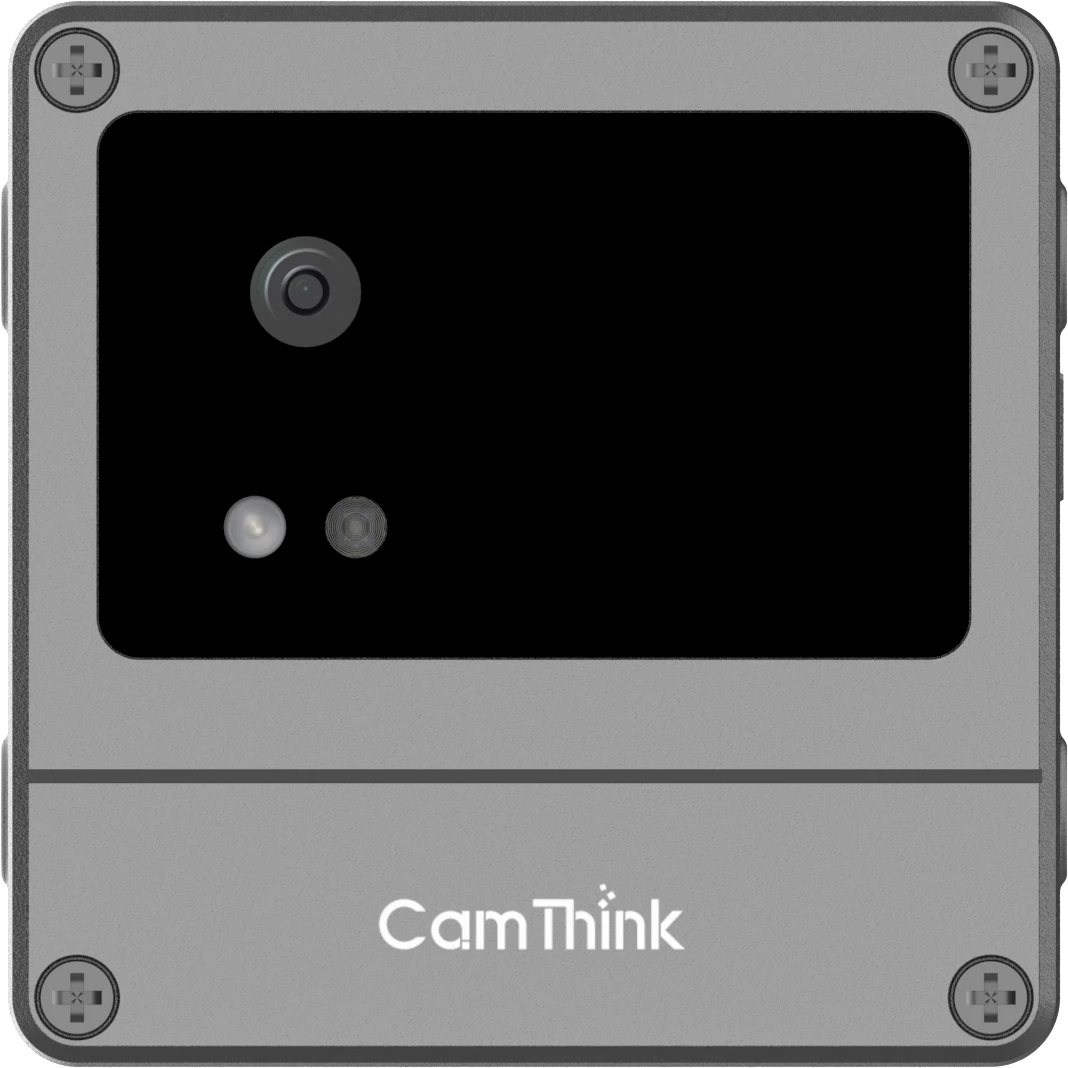
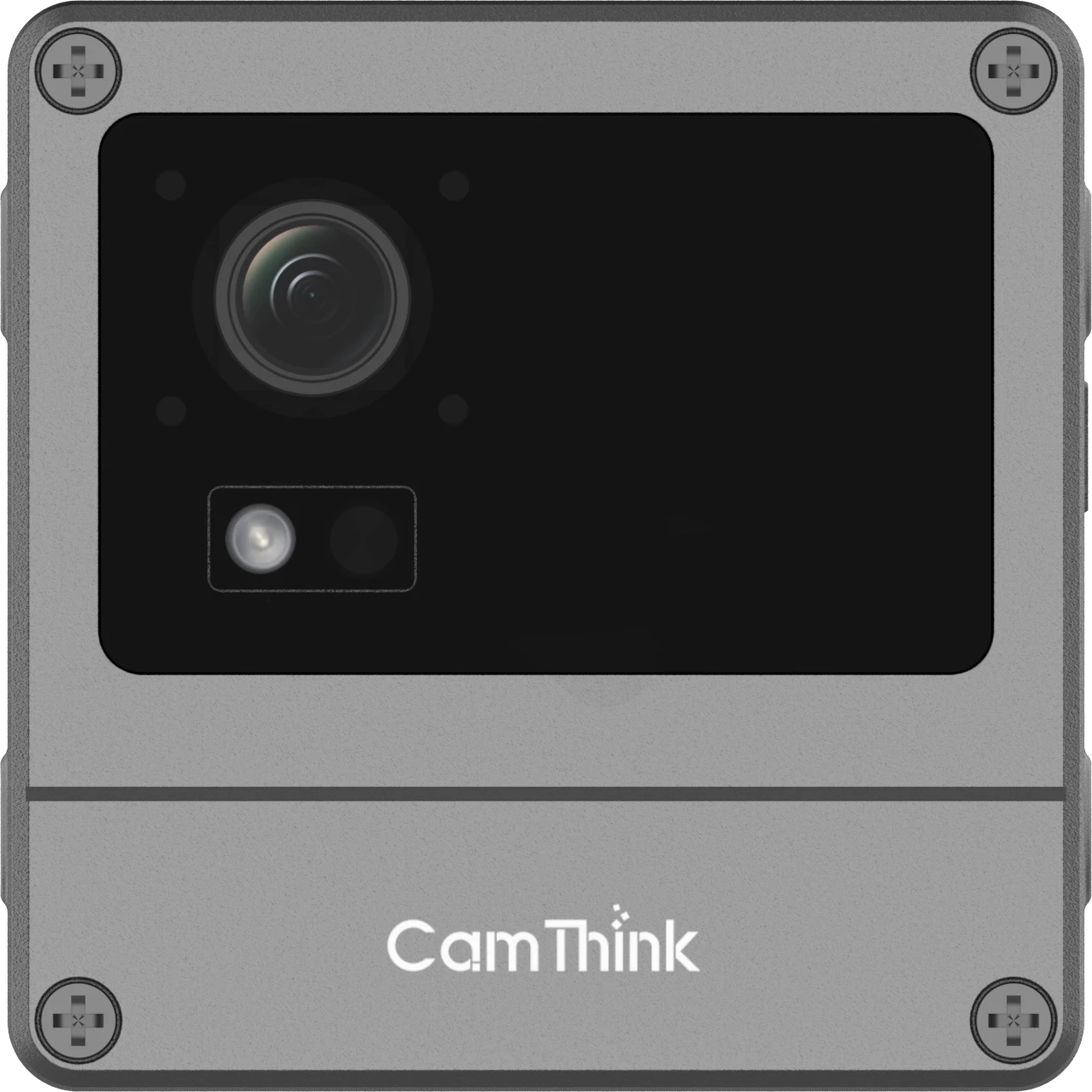
| NeoEyes NE301 | You need on-device detection, confidence scores, event filtering, or local inference before sending metadata. | STM32N6 with 0.6 TOPS NPU, 6.1 µA deep sleep, Micro SD, Wi-Fi 6, LTE Cat.1 or PoE, MQTT, PIR, radar, IO and scheduled triggers. | Better for protected-area alerts, human intrusion, animal detection, and custom models. Do not assume Wi-Fi HaLow plus PIR plus IR is a standard released SKU unless confirmed. |
| Gateway or backend AI | You need multi-node aggregation, species recognition, reporting, human review, or model updates across several sites. | Can receive MQTT image payloads, run AI, store images, and generate structured reports. | Often the right place for species AI because field datasets change by site, season, background, camera height, and target species. |
Product boundary
NE301 currently supports Wi-Fi, LTE Cat.1, and PoE in the standard product path. If your requirement is NE301 with Wi-Fi HaLow, integrated PIR, IR night capture, and a weather-protected enclosure, treat it as a roadmap or custom evaluation topic until CamThink confirms the standard release.
Field constraints that decide success
Wildlife monitoring failures usually come from the details that are missing from a camera datasheet. Validate these before scaling beyond the first test units.
Lens and distance
For reptiles, frogs, small mammals, and ground-level targets, confirm focus distance and field of view. NE101 has close-focus OV5640 options, including 15 cm and 8 cm focus variants.
PIR trigger
PIR is excellent for low power, but small animals, low mounting height, insects, sun-heated surfaces, and moving grass can cause missed events or false triggers.
Night capture
Specify whether the project needs visible fill light, IR, no-glow IR, or another lighting method. Standard fill light is not the same as a finished wildlife night-vision design.
Weather sealing
NE101 and NE301 are IP67 platforms, but external PIR cables, 3D printed housings, and antenna changes can reduce practical weather resistance.
Temperature
NE101 and NE301 are specified for -20°C to 50°C. A site that reaches 50°C inside an enclosure or trailer needs thermal validation, not just a rating check.
Local storage
Use MicroSD for image buffering. Remote wildlife links fail at the worst time, and the system should not lose captures when LTE, HaLow, or backhaul is down.
Power: AA battery is not always the answer
For low-frequency capture, the battery-first design is valuable. NE101 can support long-life deployments when it only wakes a limited number of times per day. Once you add frequent captures, weak cellular transmission, cold nights, IR illumination, or a gateway, solar design becomes part of the system.
CamThink's solar kit reference uses a 10 W solar panel with a 7 Ah rechargeable battery. That combination is useful for higher-frequency image capture and field sites where maintenance visits are expensive. It should still be sized against the real trigger rate, network mode, local sunlight, battery aging, and temperature.
Wi-Fi HaLow with Starlink backhaul
Wi-Fi HaLow makes sense when several nodes sit inside one operating area and a local gateway can be powered. In that pattern, each camera uses sub-1 GHz Wi-Fi HaLow to reach the gateway. The gateway then bridges the network to Ethernet, Wi-Fi, or a Starlink router.
The practical questions are not only protocol questions. You need a gateway enclosure, stable 5 V power, cable routing, antenna placement, mast height, lightning and heat planning, and a backhaul device that can stay online in the field. A camera trailer with solar and lithium storage is a good example of the right kind of infrastructure, but the gateway still needs its own mounting and thermal plan.
AI species recognition needs a dataset, not just a model name
Automated species recognition is useful, but it is easy to overpromise. A model trained on common animals from one region may fail on rare species, juvenile animals, night images, low-angle shots, dense vegetation, seasonal background changes, or a site with different fauna.
Recent camera-trap AI work points in the same direction: strong results are possible with curated local datasets, but transfer to new sites and long-running deployments still needs testing. One 2026 open-source camera-trap model reported high validation performance on a curated UK dataset, while another 2026 study focused on how species recognition changes over time at fixed camera sites.
For a CamThink wildlife pilot, define the AI output before choosing the model. A useful first workflow is often simpler than full species recognition: animal present, human present, unknown animal, confidence, timestamp, battery, device ID, and image reference. Species labels can come later once enough site images are collected and reviewed.
Unknown should be a real class
Rare species projects need an unknown or low-confidence path. Forcing every image into a known species folder creates clean dashboards and bad ecology data.
A practical 30-day pilot plan
- Pick two representative sites: one easy site with access and one site that matches the real deployment conditions.
- Test the camera at the real mounting height, not on a desk or wall.
- Capture day, night, rain, high heat, and low-light samples.
- Record PIR events, false triggers, missed events, battery level, network RSSI, and upload success.
- Run at least one LTE path and one HaLow gateway path if both are under consideration.
- Store all images locally, even when uploads succeed.
- Label a small image set manually before judging AI species accuracy.
- Decide whether the next step is standard NE101, standard NE301, a Wi-Fi prototype, or a custom enclosure and communication project.
FAQ
Can NE101 work as a wildlife camera?
Yes, if the project needs low-power image capture, scheduled or PIR-triggered photos, local storage, and LTE or Wi-Fi HaLow upload. For species recognition, plan to process images on a gateway, backend, or cloud service unless you have validated a lightweight local workflow.
Can NE301 send wildlife images over LoRaWAN?
Not as a standard product behavior. LoRaWAN is better suited for metadata such as human detected, animal detected, confidence, timestamp, GPS position, battery status, or device health. JPEG images should normally remain on SD card or move through LTE, Wi-Fi, Wi-Fi HaLow, Ethernet, or another higher-bandwidth path.
Is Wi-Fi HaLow a replacement for Starlink?
No. Wi-Fi HaLow connects camera nodes to a local gateway. Starlink, Ethernet, LTE, or another uplink connects that gateway to the internet or remote platform.
What should I test first for small reptiles and amphibians?
Test lens focus, mounting height, PIR response, scene temperature, night lighting, and false triggers. Small animals at 20 to 50 cm are a different sensing problem than deer or people on a trail.
Related hardware
Hardware fit for this use case
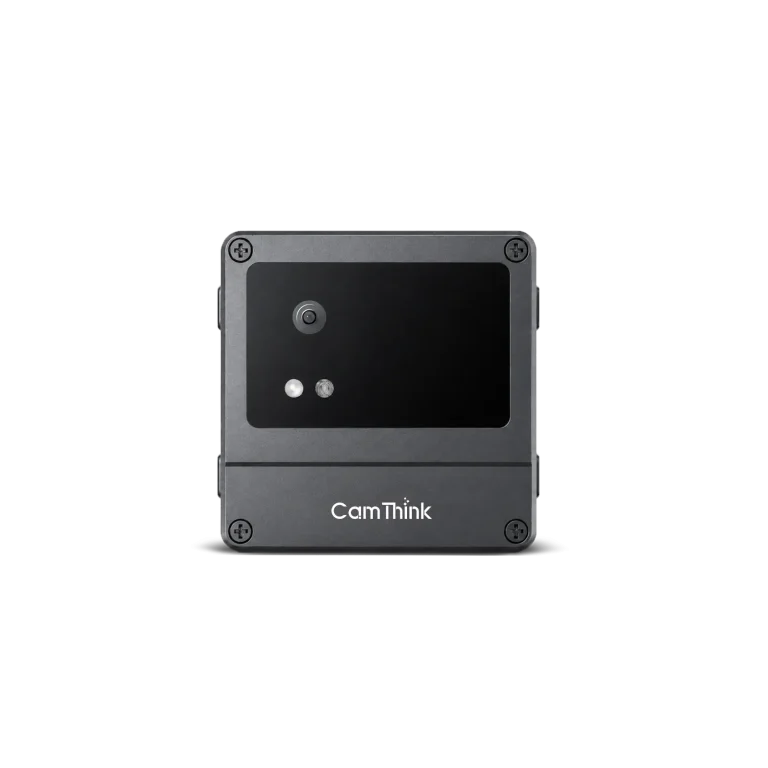
Low-power capture node
NeoEyes NE101
Use when remote sites need PIR-triggered or scheduled image capture with low idle power and flexible Wi-Fi, LTE, or HaLow backhaul.
From $69.00
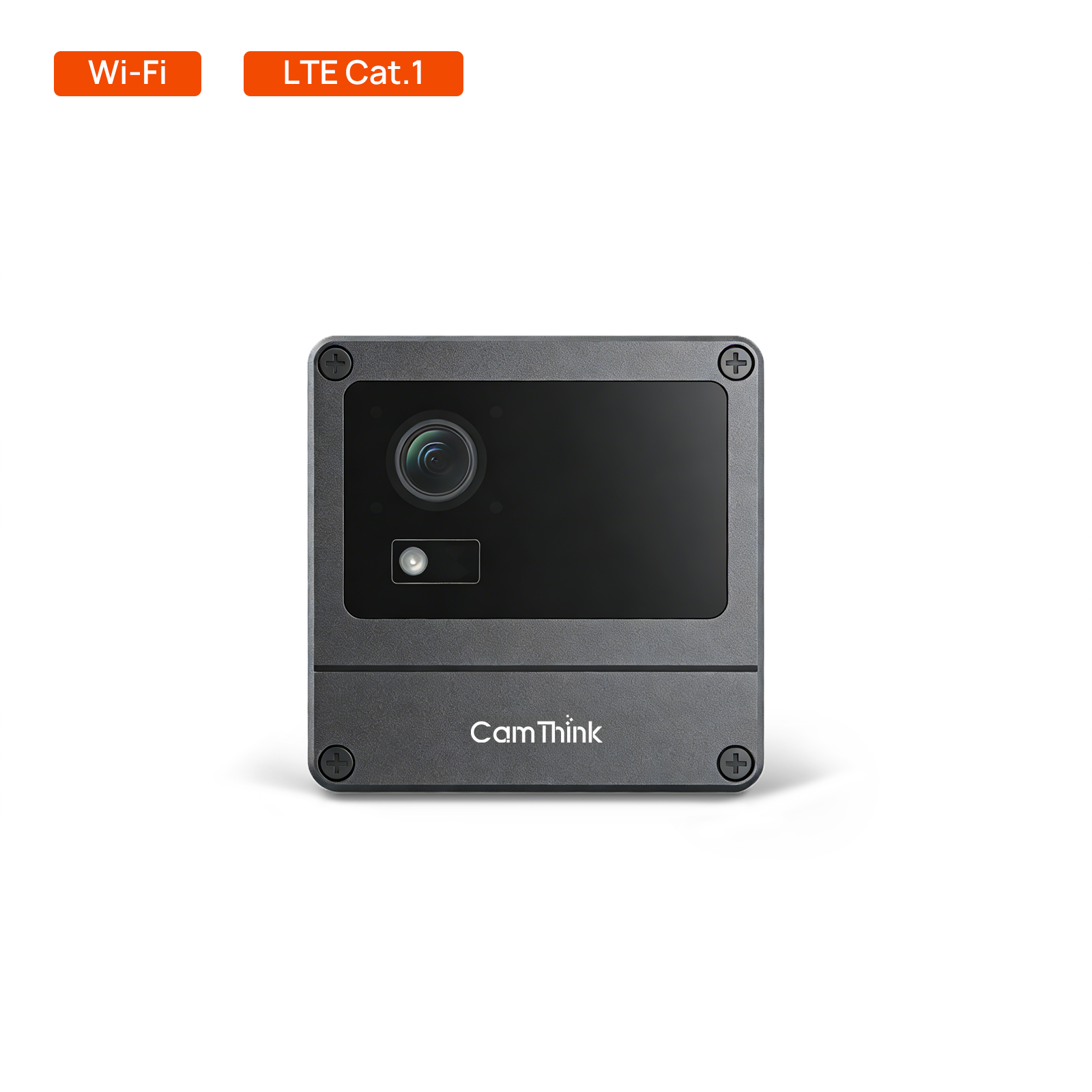
Edge AI camera node
NeoEyes NE301
Use when field images need lightweight on-device filtering or event classification before MQTT reporting, local storage, or remote upload workflows.
From $199.90
HH
Harry Hua
Technical Director, CamThink | 10+ years in hardware AI and IoT system architecture
Harry works with CamThink customers on low-power edge AI camera deployments, remote image acquisition, MQTT-based system integration, and field hardware evaluation for outdoor and industrial sites.
Connect on LinkedInPlanning a field monitoring pilot?
Send CamThink your site conditions, target species or event types, node count, power plan, network options, and whether AI should run on the camera, gateway, or backend.