Species Identification Is a Pipeline, Not One Model
AI species identification works best when it is divided into jobs with different cost and risk. The first job is usually to remove obvious blank images. The next is to find an animal or other object of interest. Species classification comes after that, followed by a review path for low-confidence and unknown results.
Google’s SpeciesNet follows this pattern. It combines an object detector with a classifier, filters high-confidence blanks and prefers a higher taxonomic level or unknown over an unsupported species prediction. That is a useful design principle even when a project uses a different model.
The deployment question is where each job should run. A remote wildlife monitoring system can place lightweight filtering at a camera, heavier classification at a powered field gateway, or elastic processing in a cloud service. The right split depends on network cost, response time, data governance and the amount of media arriving from each site.
Define the Output Before Choosing Hardware
Start with the result the research or operations team will use. A practical record normally needs the original media reference, device and deployment identifiers, capture time, detection class, confidence, predicted taxon, model version and review status. Keep the raw image or a durable reference to it whenever the label may need to be audited.
- Blank or no object of interest.
- Animal detected, species not yet assigned.
- Species or higher taxon predicted above the project’s acceptance threshold.
- Unknown or low confidence, queued for review.
- Human-reviewed label with reviewer and timestamp.
This contract prevents a common mistake: treating the top model score as the final scientific observation. The model output is evidence for a label. It is not the entire observation record.
Choose the Processing Location
| Location | Best job | Typical output |
|---|
| Camera node | Lightweight animal-present filtering before upload | Image plus detection result |
| Fixed AI camera | Local models on a continuous or frequent video source | Structured event plus selected clip |
| Field gateway | Shared blank filtering, detection and classification for several nodes | Labels, review queue and local media references |
| Cloud service | Central collaboration and elastic processing when backhaul allows it | Central dataset and review workflow |
What belongs on the camera?
Camera-side AI is valuable when upload is expensive or an event must be produced quickly. A lightweight detector can decide whether a frame contains an animal, person or vehicle and can suppress obvious empty captures before transmission.
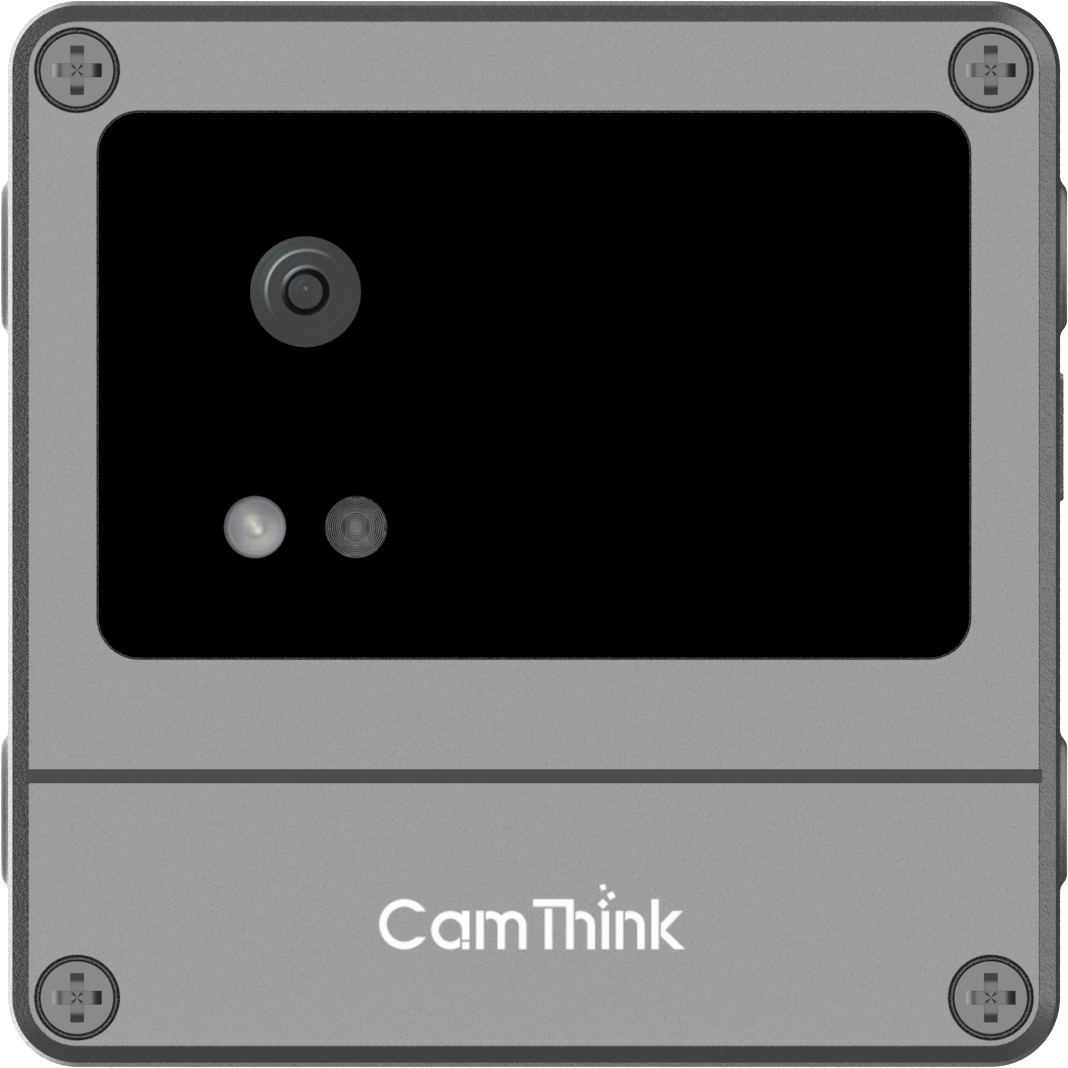
NE301 is the CamThink route for this job in a distributed, event-based system. Its STM32N6 platform provides 0.6 TOPS of local AI compute and supports event triggers. It is suited to bounded models such as animal-present filtering when the model has been prepared for the target scene.
Keep the node task narrow. Asking a low-power camera to classify every local species, retain a large taxonomy and handle model review logic can increase active time and complicate updates. For many projects, the useful camera output is an image plus a lightweight detection result.
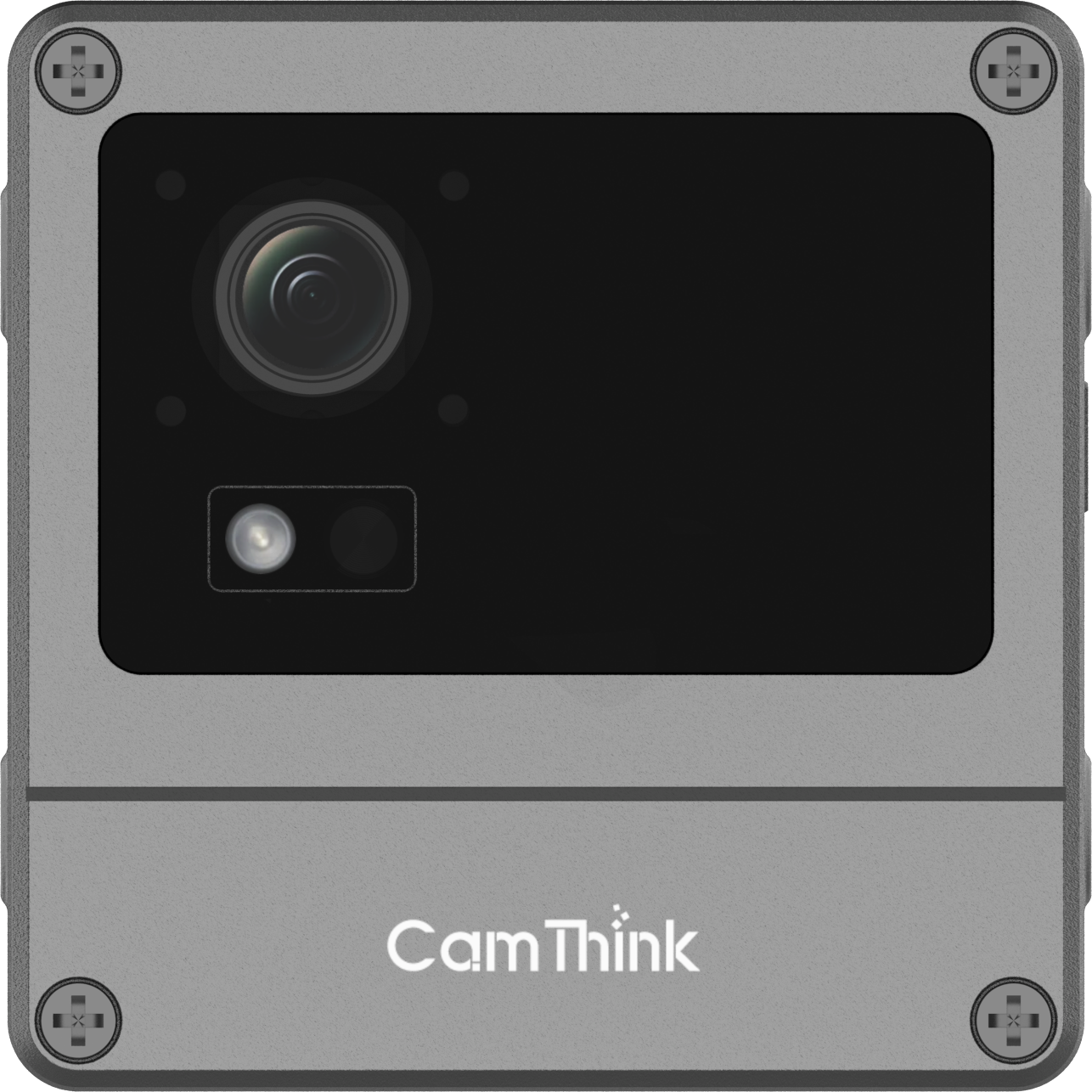
NE101 sits one step earlier. It is a low-power capture node with scheduled and expandable event-triggered imaging. It can send images to a later processing stage, but it should not be presented as the general species-classification engine.
When should classification run at a field gateway?
A powered gateway is often the best location when several camera nodes feed one research base, tower, ranger station or site cabinet. It can batch images, run larger models, keep media local and continue working when the backhaul is unavailable.
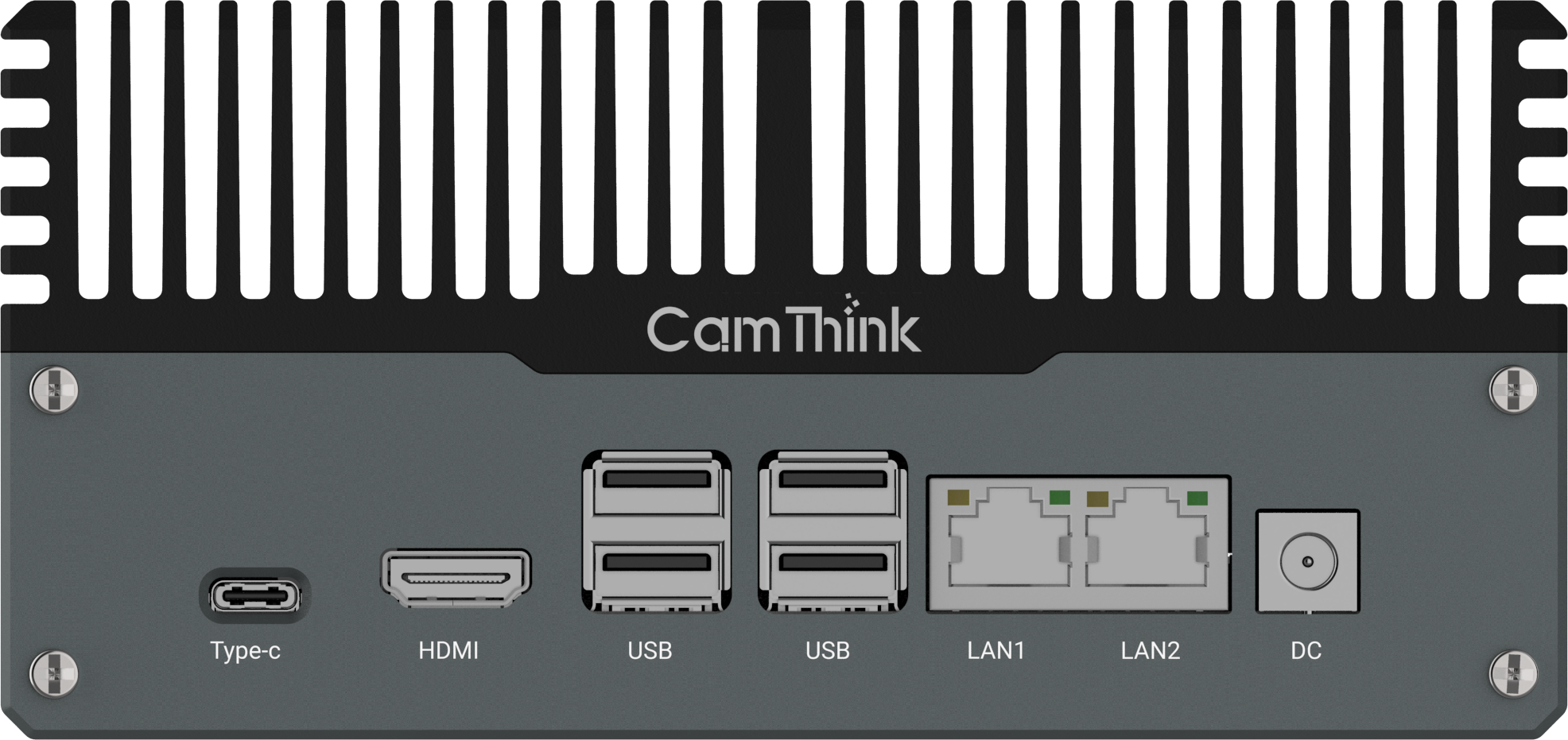
NG4500 uses NVIDIA Jetson Orin Nano or NX modules with JetPack, CUDA, TensorRT and DeepStream. Its standard configurations span 20 to 100 TOPS, with higher INT8 figures available in supported Super configurations. Dual Gigabit Ethernet, NVMe options and 12 V to 36 V DC input make it a practical local processing host.
In this role, NG4500 can run blank filtering, object detection, species classification and a review queue near the field data. The project team still supplies or selects the model, taxonomy and validation method. NG4500 is the compute platform, not a ready-made camera trap research database.
If this matches the site’s data and power constraints, review NG4500 as an on-prem camera trap image processing node before designing the cloud bill around raw uploads.
Where does NE503 fit?
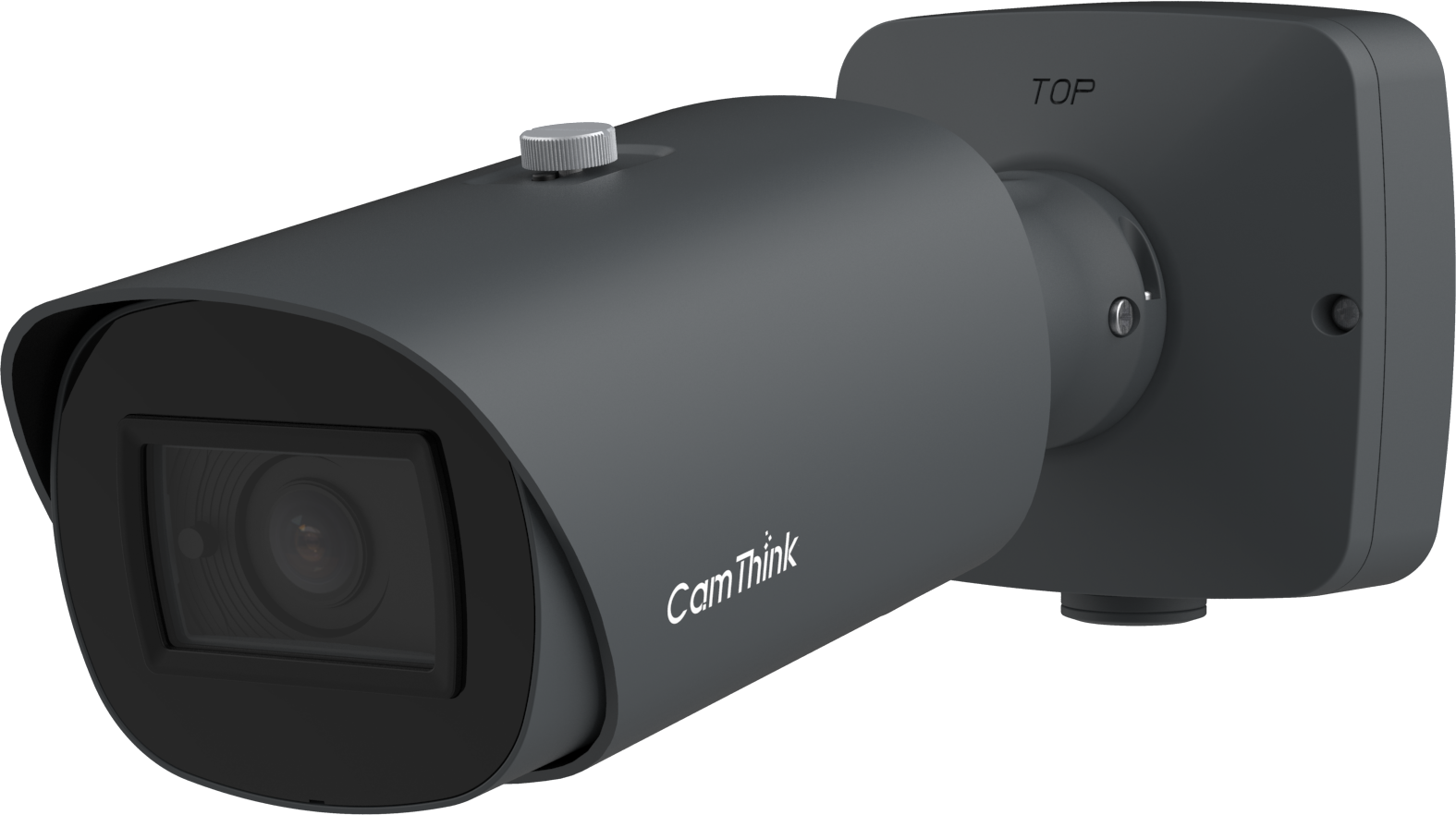
NE503 is useful when the source is continuous or frequent video from a fixed wildlife point such as a waterhole, crossing, nesting area or reserve entrance. It combines a Sony IMX678 4K imaging system with 20 TOPS INT8 Hailo compute, containerized applications, RTSP and structured event paths.
That allows the camera point to run detection and classification close to the video source, then send event records or selected clips upstream. PoE 802.3at or DC 12 V power makes it a fixed-site platform. It is not a battery trail camera.
NE503 can also hand work to NG4500 when several fixed points need shared models, local search or a larger review service. The split is architectural: NE503 owns the video point, while NG4500 owns shared site compute.
When does cloud processing make sense?
Cloud processing is useful when teams need centralized collaboration, large temporary compute pools or an existing data platform. It also simplifies model updates when network access is reliable and raw media can be uploaded under the project’s governance rules.
The tradeoff is data movement. Uploading every image or video stream can dominate cost and delay at remote sites. A hybrid design can keep original media locally, upload thumbnails or structured events first, and send full media only for selected records or scheduled synchronization.
Cloud and edge are not competing identities. They are processing locations. A project can use camera-side filtering, gateway classification and cloud review in the same workflow.
Use a Clear Event Contract
Each model stage should add information without destroying the previous stage. A compact JSON event can look like this:
{
  "capture_id": "cap_001",
  "device_id": "camera_07",
  "deployment_id": "wetland_north",
  "captured_at": "2026-07-29T03:18:42Z",
  "media_uri": "local://media/cap_001.jpg",
  "detection_label": "animal",
  "detection_confidence": 0.98,
  "predicted_taxon": "Cervidae",
  "classification_confidence": 0.76,
  "model_name": "project_species_classifier",
  "model_version": "1.4.0",
  "decision_source": "edge_gateway",
  "review_status": "needs_review"
}
Do not overwrite unknown with the most convenient species. Preserve the original scores and the decision source. If a human confirms a label, add that review as a new state.
This structure also makes it easier to map results into a project database or a camera trap data standard later. GBIF’s camera trap guidance treats deployment, media and observation data as connected records rather than a folder of renamed JPEG files.
Design Failure Handling Around Uncertainty
A safe workflow has a place for results that do not meet the threshold. Unknown can mean the animal is too small, partly outside the frame, blurred, outside the training distribution or absent from the taxonomy. Those cases should enter a review queue, not disappear.
Keep a sample of high-confidence blank results for audit, because aggressive blank filtering can hide missed animals. Review performance by site and camera, not only across the whole dataset. A model can appear strong overall while failing at one low camera angle or one season.
If a gateway loses its backhaul, store results and media locally with stable identifiers, then synchronize later. If a camera-side model is unavailable, the capture path should still preserve the image where the project design allows it.
Validate with the Data the System Will See
Split evaluation data by site, camera and time so nearly identical burst images do not appear on both sides of the test. Measure blank filtering separately from animal detection and species classification. Record how much manual review remains after each stage.
The useful business and research outcome is not a single accuracy percentage. It is a smaller, traceable review queue with an acceptable missed-animal rate and labels that can be audited.
Choose the Processing Location from the Workload
Use NE301 when a distributed event node needs lightweight animal-present filtering before upload. Use NE503 when a fixed video point needs local models and structured events. Use NG4500 when several cameras or a large image collection need shared local compute. Use cloud services when centralized scale and collaboration outweigh the cost of moving media.
CamThink’s value in this architecture is the ability to keep each job on hardware sized for that job. The camera captures or filters, the fixed AI camera handles a video point, and the local Jetson system runs heavier shared workloads.
Wildlife monitoring is one example of a broader productization path: validate capture, power, connectivity and inference on standard CamThink hardware, then adapt the configuration for the target deployment. The same capability set can support other remote or industrial projects that need low-power vision nodes, remote communication, edge inference and custom integration.