What Is Edge AI for Real-Time Analytics?
Cloud analytics can take seconds—or minutes—to respond. In security monitoring, that delay can mean the difference between prevention and evidence collection. Edge AI for real-time analytics means running AI inference locally on cameras, MCUs, or nearby edge hardware so decisions can be made at the point of capture instead of relying entirely on cloud processing.
By processing data locally, edge AI reduces network dependency, lowers bandwidth costs, and enables faster responses in scenarios where uploading every frame would add delay.
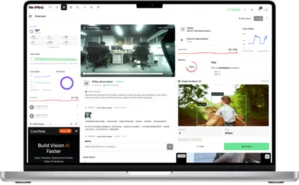
For example, in security monitoring, an edge AI camera can detect a person, classify the event, and trigger an alert before full video is uploaded. On devices like the NeoEyes NE301, lightweight detection can run locally while only structured events or selected media are sent over MQTT, RTMP, or cellular links.
| Processing Location |
Typical Response Latency |
Network Dependency |
Best For |
| Cloud AI |
0.5–5s |
Required |
Reporting, dashboards |
| On-premise server |
50–500ms |
Local LAN required |
Multi-camera hub |
| Edge AI box |
20–200ms |
Optional |
Multi-stream analytics |
| On-device |
<100ms to local action |
None required |
Trigger-critical decisions |
Why Is Real-Time Decision-Making Important in Security Monitoring?
In security monitoring, “real-time” means minimizing the full event-to-alert delay, not just AI inference time. A security system may detect an intrusion quickly, but the total response time often includes multiple steps:
In cloud-based architectures, this process can take anywhere from a few seconds to several minutes depending on network conditions and operational workflows.
For example:
- Video upload: 1–10s
- Cloud inference: 0.5–5s
- Alert delivery or workflow automation: 1–60s
- Human review or dispatch: additional delay
In many real-world deployments, the result is that an intrusion is recorded—but not prevented.
Real-time decision-making matters because actionability has a short window. In construction sites, logistics yards, and critical infrastructure, security teams often have only seconds to trigger sirens, activate lighting, or dispatch guards before an intruder leaves the site.
Edge AI reduces this delay by moving inference to the point of capture. Instead of waiting for raw video to be uploaded and analyzed remotely, an edge AI camera can classify the event locally and immediately trigger local outputs or transmit a structured alert over 4G, MQTT, or HTTP.
Example: UK Construction Site
A UK construction site using a cloud-based monitoring system experienced delayed alerts during intrusion events. After moving to local-first edge AI monitoring, alerts could trigger sirens and notifications immediately, improving the chance of prevention rather than post-incident review.
Why Is Cloud AI Too Slow for Time-Critical Analytics?
Cloud AI works well for centralized reporting and non-time-critical analytics. But in real-world deployments where immediate action matters, cloud-first architectures often become the bottleneck. The issue is usually not inference speed. Cloud GPUs are often faster than on-device processors. The delay comes from moving raw video or sensor data through unstable networks before any decision can be made.
For system integrators deploying in environments like construction sites, logistics yards, or remote infrastructure, this creates three common problems:
1. Response Delays in Critical Events
When video must be uploaded before inference, response time depends on uplink quality, network congestion, server queue time, and downstream alert workflows. In stable environments, delays may be only a few seconds. In remote or congested deployments, response time can stretch much longer. For theft detection, perimeter intrusion, or equipment faults, even a short delay can turn prevention into post-event reporting.
2. High Bandwidth and Operating Costs
Continuous cloud video analytics creates recurring transmission and compute costs. At scale, streaming multiple high-resolution cameras over LTE or public networks can quickly become expensive. This is why many teams move to edge-first architectures that transmit only structured alerts, event snapshots, and short evidence clips instead of full continuous streams.
3. Connectivity and Privacy Constraints
Many deployments do not have stable connectivity all the time. In these environments, cloud-only systems may miss events or delay responses during outages. There are also cases where sending continuous raw video off-site creates compliance or privacy concerns. With edge AI, inference happens locally first. The system can continue operating even when networks are unstable, and only relevant metadata or selected evidence is transmitted. For teams evaluating architecture, the question is often not “cloud or edge.” It is: which decisions must happen locally, and which data can be sent upstream later.
How Does Edge AI Reduce Power Consumption in Battery-Powered Monitoring?
Edge AI reduces power consumption by keeping devices asleep most of the time and waking only when an event occurs. In remote deployments such as construction sites, temporary security installations, or utility monitoring, continuous streaming cameras are often impractical because they require constant power. Traditional cloud-connected cameras typically stay active 24/7 for video capture, encoding, and upload—often consuming 3–5W continuously. At that power level, battery-only deployments may last only hours or days, making solar panels or wired power necessary.
By contrast, event-driven edge AI devices use a different architecture. Instead of streaming continuously, devices remain in deep sleep until triggered by PIR motion sensors, radar sensors, acoustic triggers, or scheduled wake-up intervals. On the NeoEyes NE301, deep-sleep current is documented at 6.1 μA, with millisecond-level wake-up. The device wakes, captures an image, runs local inference, transmits only relevant alerts or evidence, and then returns to sleep. This dramatically reduces active time and total daily energy consumption.
Power Comparison: Cloud vs Edge Architecture
| Power Mode |
Continuous Streaming Camera |
Edge AI Camera (NE301) |
| Active power |
3–5W |
~1–2W during inference/transmit |
| Sleep power |
0.5–1W standby |
6.1 μA deep sleep |
| Daily active time |
24h continuous |
Event-driven only |
| Battery life |
Hours to days |
Months to years* |
| *Actual battery life depends on trigger frequency, connectivity, and environmental conditions. Calculate NE301 battery life → |
The advantage is not just longer battery life—it changes deployment economics. Lower power consumption can reduce or eliminate the need for trenching power cables, installing solar panels, or frequent battery replacement visits. For system integrators, this makes deployments faster, cheaper, and easier to scale.
What Are Real-World Edge AI Security Monitoring Use Cases?
Common use cases include construction site theft detection, parking lot monitoring, and illegal dumping detection—but edge AI applies to any scenario where cloud connectivity is unreliable, bandwidth is expensive, or real-time action is required. Below are five deployment patterns CamThink hardware currently powers in production environments.
Challenge
Thieves target unsecured sites at night. Cloud cameras require power and network infrastructure that doesn’t exist. 3-minute alert delays mean intruders flee before security responds.
Solution
NE301 battery-powered cameras with PIR triggering, on-device YOLOv8 person detection, and LTE Cat.1 alerts. Deep sleep enables 6+ month battery life.
Outcome
Person detected → siren activates in <10ms → 4G alert transmits → thieves flee. No power cables required. 67% lower total cost vs cloud alternatives.
Challenge
Cities need to monitor illegal parking in fire lanes, handicap spots, and restricted zones. Cloud solutions stream 24/7 video—expensive bandwidth and privacy concerns.
Solution
NE301 with vehicle detection models. Camera wakes on motion, classifies vehicle type and parking behavior, transmits structured alert (license plate, location, timestamp).
Outcome
Raw video never leaves camera (GDPR-compliant). Alerts integrate with ticketing systems via MQTT. 99% bandwidth reduction vs continuous streaming.
Challenge
Illegal dumping occurs in remote areas with no power or connectivity. Municipalities need evidence for prosecution but can’t afford continuous cloud streaming.
Solution
NE301 with custom “large object deposit” detection model. Triggers on vehicle stopping + person depositing objects. Captures high-res images for evidence.
Outcome
Battery-powered deployment in alleys/forest roads. Local SD card stores full evidence; LTE alerts notify enforcement teams. Prosecution rates increase 40%.
Challenge
Large facilities require perimeter monitoring across kilometers. Wiring is prohibitively expensive. Cloud latency means delayed response to intrusions.
Solution
NE301 solar-powered cameras every 100–200m. Person/vehicle detection runs locally. Mesh networking or LTE backhaul transmits alerts to central command.
Outcome
Perimeter secured without trenching. Intrusion detected in <10ms, lighting/siren activated immediately. Central command receives GPS-tagged alerts.
Challenge
Farm equipment theft occurs in areas with no cellular coverage. Farmers need remote monitoring but can’t afford cloud infrastructure.
Solution
NE301 with WiFi HaLong (868/915MHz) for long-range, low-bandwidth alerts. On-device person/vehicle detection. LoRa gateway uploads alerts when available.
Outcome
Multi-km range without cellular. Battery-powered cameras last 2+ years. Farmers receive alerts on smartphones with image thumbnails.
How Much Does Edge AI Reduce Deployment Costs?
In large-scale deployments, edge AI can significantly reduce operating costs by lowering bandwidth usage, simplifying power requirements, and reducing cloud compute dependency.
In one construction-site monitoring scenario with 200 cameras, moving from continuous cloud video analytics to event-based edge AI monitoring reduced estimated three-year total costs by over 80–90%, with payback achieved within months.
Three-Year Total Cost Comparison
Scenario assumption: 200 cameras, LTE deployment, event-triggered monitoring
| Cost Category |
Cloud-based Solution |
Edge AI Monitoring |
| Hardware |
~$40,000 |
~$40,000–60,000* |
| 4G Data (3 years) |
~$648,000 |
~$21,600* |
| Cloud Compute (3 years) |
~$108,000 |
Minimal / optional |
| Power Infrastructure |
~$60,000 (trenching + cabling) |
$0 (battery-powered) / optional |
| TOTAL 3-YEAR COST |
~$856,000 |
~$80,000–120,000* |
| * *Depends on product variant and deployment design. |
Where the Savings Come From
1. Bandwidth Reduction.
Instead of continuously streaming video, edge AI transmits only alerts, snapshots, or short evidence clips.
2. No Cloud Subscription.
Inference happens locally, reducing or eliminating recurring cloud compute and storage costs.
3. Simplified Power Infrastructure.
Battery-powered deployments may reduce the need for trenching, cabling, or solar installations.
The NE301’s design directly addressed the customer’s three pain points—power, connectivity, and AI capability—in a way cloud-connected alternatives couldn’t match.
Which Edge AI Hardware Is Best for Real-Time Analytics?
For Basic Event Capture
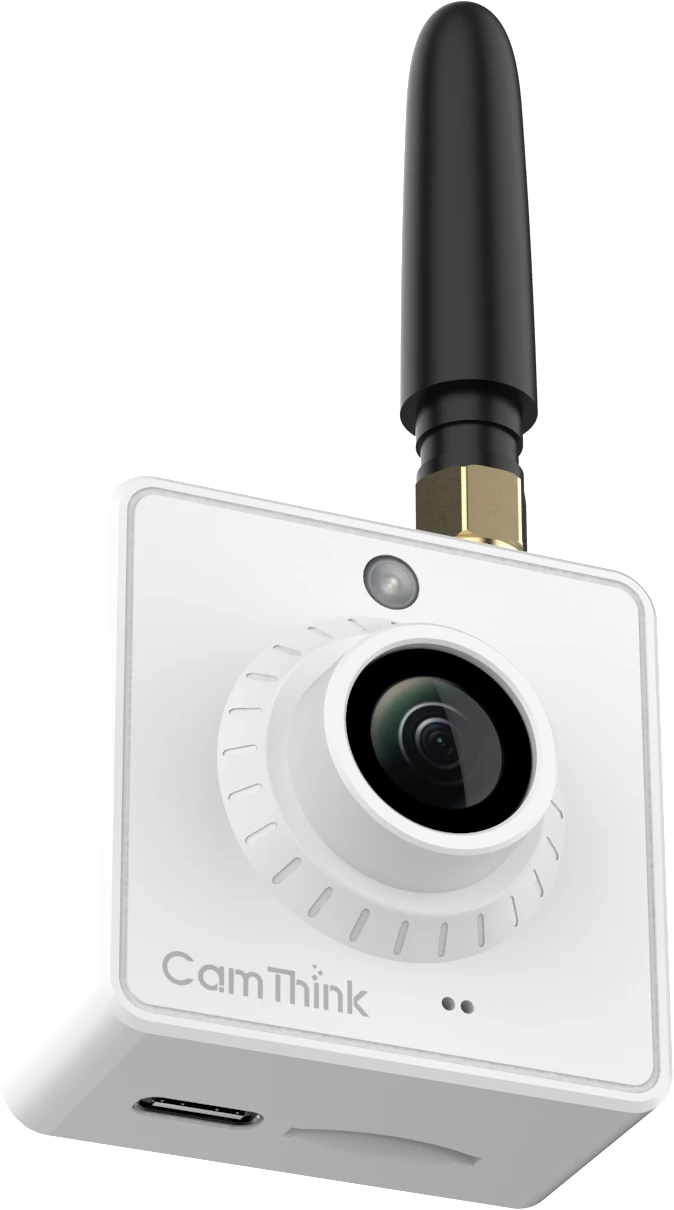
NE101
Ultra-low power event capture when you don’t need on-device AI
$69.90 – $112.00
- ESP32-S3 MCU · WiFi + BT 5.0
- 5MP sensor · 60°/120° FOV
- Event-triggered (PIR, radar)
- 2–3 year battery life
- Optional 4G LTE / WiFi HaLow
View NE101 →
Recommended for Security
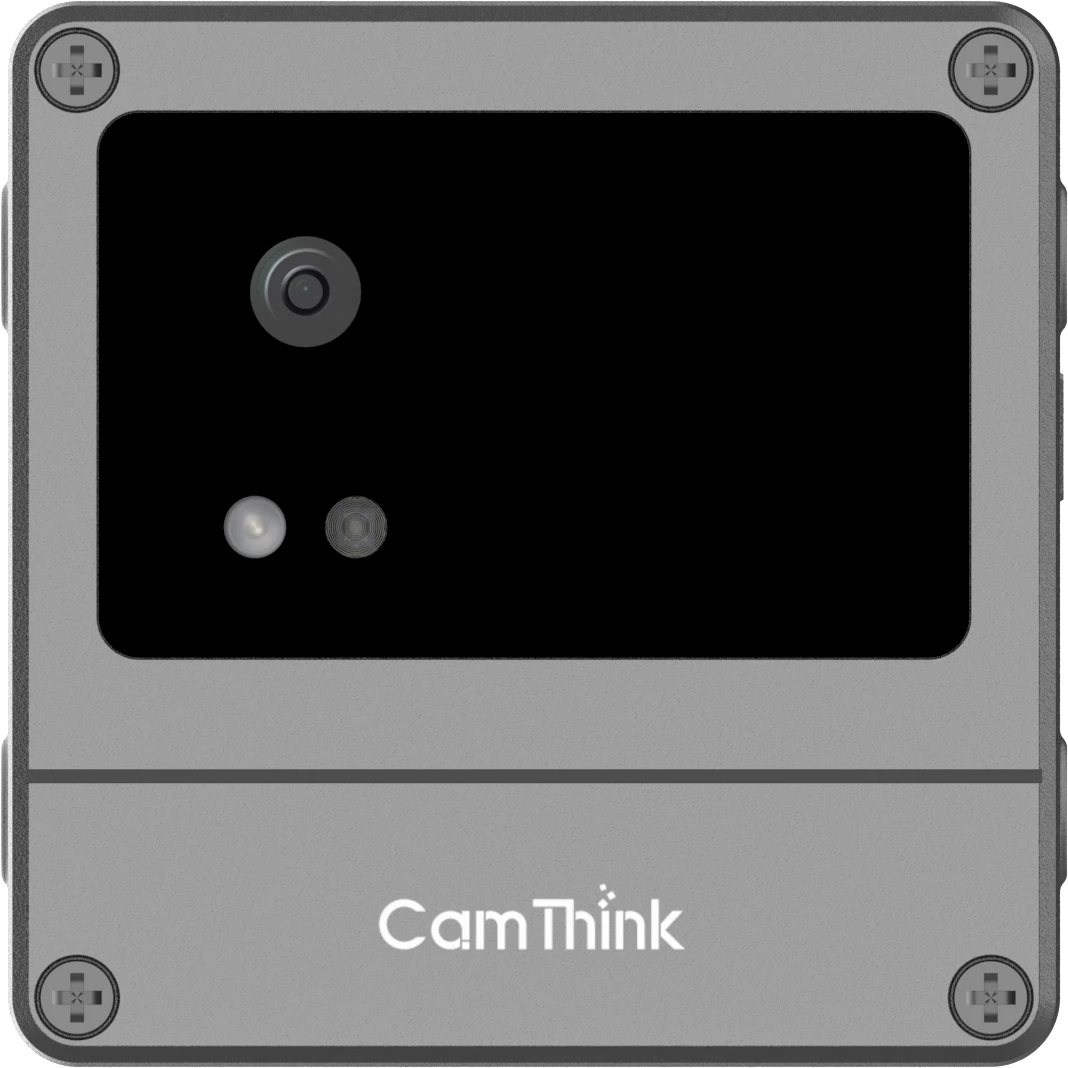
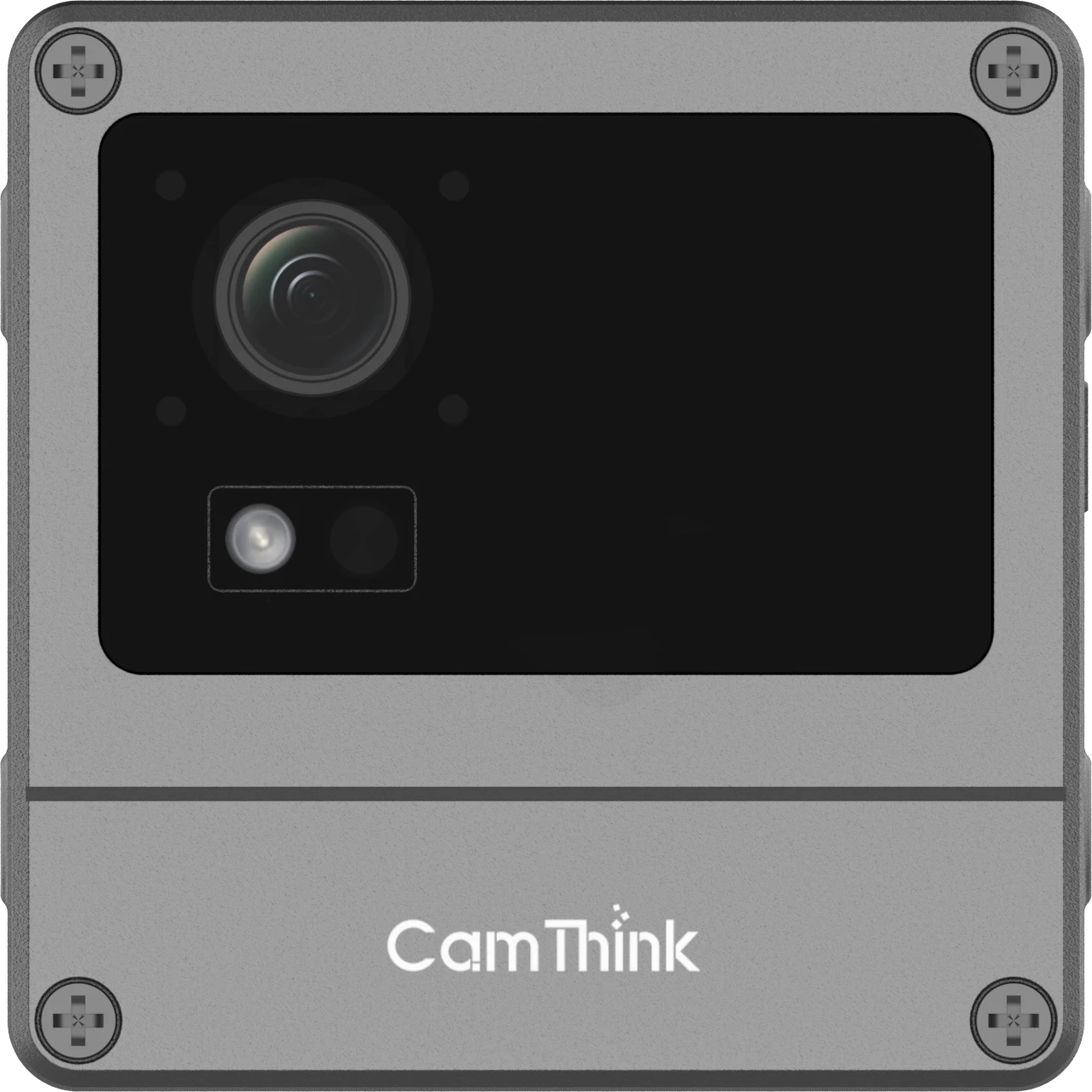
NE301
On-device YOLOv8 inference. Battery-powered. 4G-ready. No cloud required.
$199.90
- STM32N6 + Neural-ART NPU (0.6 TOPS)
- 4MP sensor · 51°/88°/137° FOV
- Deep sleep 6.1 μA · Wake <1ms
- IP67 outdoor · Battery or PoE
- Wi-Fi 6 / LTE Cat.1 / PoE variants
View NE301 →
For Multi-Camera Hubs
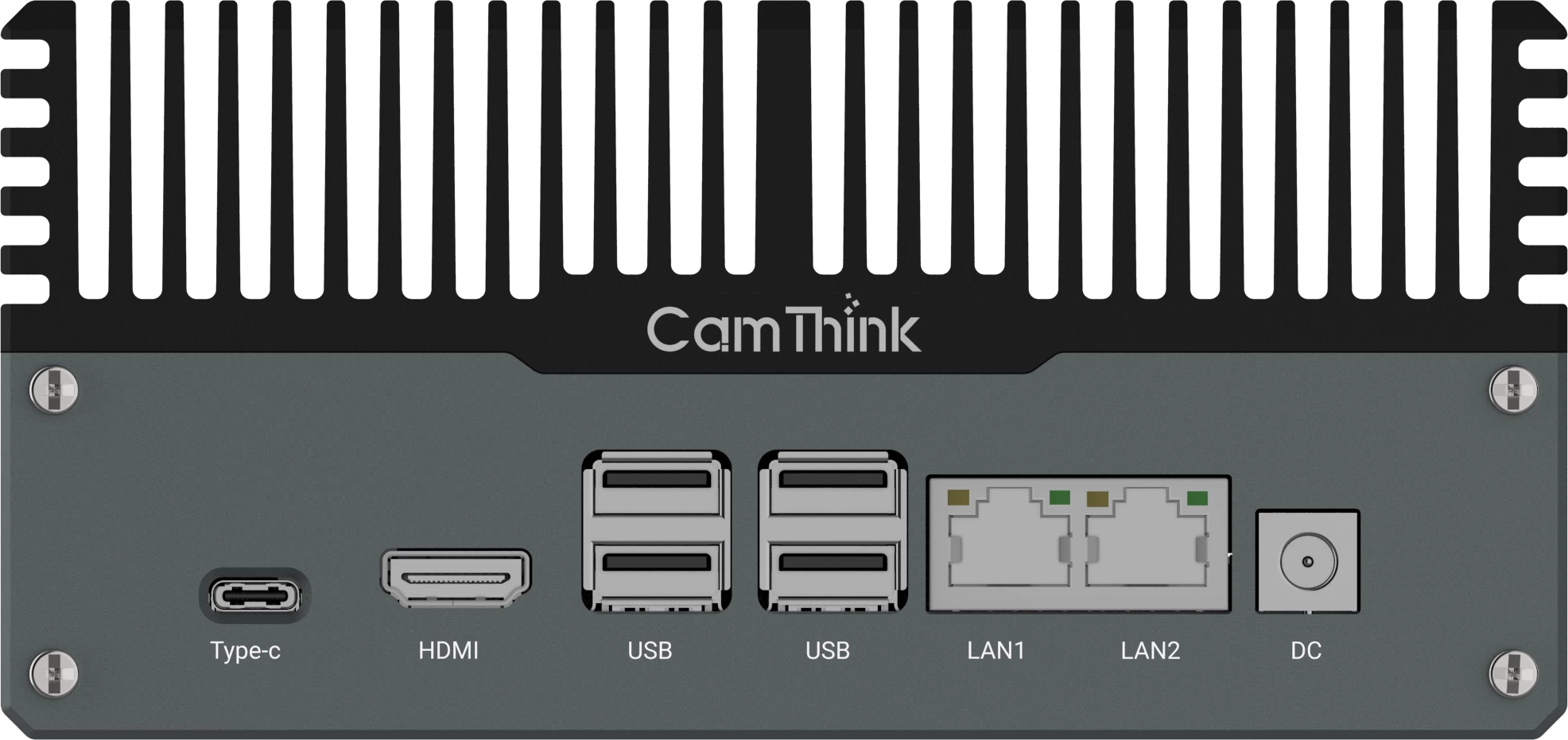
NG4500
GPU-class edge box for aggregating multiple camera streams
$899 – $1,599
- NVIDIA Jetson Orin Nano/NX
- 20–157 TOPS
- Multi-stream video analytics
- RS485/CAN for PLC integration
- JetPack 6.0 · TensorRT · Docker
View NG4500 →
The NE301’s 0.6 TOPS Neural-ART NPU might seem modest compared to cloud GPUs, but it’s precisely matched to the inference needs of edge security. Person detection models like YOLOv8n run at under 10ms per inference—fast enough to trigger on-device alerts, activate sirens, or transmit structured data before an intruder can react. And because the inference never leaves the device, privacy is architectural—raw video never traverses the network.
Custom AI Models? The NE301’s Web UI lets you import custom-trained YOLOv8 INT8 models directly from your browser—no embedded programming required. Train on your construction site data, deploy via Wi-Fi, and the camera runs your model locally on the NPU. See the deployment guide →
Example: Edge AI Alert Payload
When the NE301 detects a person, it transmits a structured JSON alert over 4G—not raw video. This MQTT payload enables real-time integration with security platforms, alarm systems, or mobile apps.
NE301 → MQTT broker (person detection alert)
{
  "ts": 1740640441620,
  "values": {
    "devName": "NE301-CS-012",  // Construction Site camera #12
    "devMac": "D8:3B:DA:4D:10:2C",
    "event_type": "person_detected",
    "confidence": 0.94,  // 94% detection confidence
    "battery": 78,  // Battery %
    "localtime": "2026-04-22 02:14:33",
    "lat": 51.5074,
    "lon": -0.1278,
    "image_size": 12458,  // Thumbnail bytes
    "image": "data:image/jpeg;base64,..."
  }
}
Bandwidth: ~12KB per alert vs 2MB+ per frame for cloud video streaming. 99.4% reduction.
Ready to Deploy Edge AI?
For remote deployments with limited connectivity, battery power constraints, or real-time response requirements—edge AI is not just an optimization, it’s a necessity. CamThink’s NE101, NE301, and NG4500 cover every deployment scenario:
- NE101: Ultra-low-power event capture for 2–3 year battery life
- NE301: On-device AI inference with μA-level sleep and sub-10ms response
- NG4500: GPU-class compute for multi-camera aggregation and heavy models
Start with a proof-of-concept using NE101 or NE301 evaluation units. For 50+ camera deployments or custom AI model development, contact our engineering team for architecture design and volume pricing.
Frequently Asked Questions
What is edge AI for real-time analytics?
Edge AI for real-time analytics means running AI inference directly on local hardware—cameras, MCUs, or edge boxes—rather than sending data to cloud servers. This reduces decision latency from 50–200ms (cloud round-trip) to under 10ms, enables offline operation without reliable internet, and keeps sensitive imagery on-device. The result is a system that can act on an event, not just record it.
Can edge AI cameras work without internet connectivity?
Yes—and this is a core design principle behind CamThink’s hardware. The NE301 runs YOLOv8 and MobileNet inference entirely on the STM32N6 NPU, with no external network required for inference decisions. The NE101 handles event-triggered capture and classification locally on the ESP32-S3. Both devices can operate in fully air-gapped or offline environments and, when connectivity is available, optionally push structured alerts (not raw video) via MQTT over LTE Cat.1, Wi-Fi 6, or PoE.
How does edge AI reduce 4G data costs?
Traditional cloud security cameras stream continuous video to remote servers—consuming 2GB+ per hour per camera. Edge AI cameras like the NE301 run inference locally and transmit only structured alerts (JSON + thumbnail image) when events occur. At 10 alerts/day, that’s ~200KB/day vs 48GB/day—a 99.996% reduction. For the UK customer in this case study, data costs dropped from $300/month per camera (cloud streaming) to ~$3/month (edge alerts).
What AI models can run on edge AI hardware?
The NE301 (STM32N6, 0.6 TOPS) supports YOLOv8, MobileNet, EfficientNet, and custom INT8 TFLite models via the Neural-ART NPU. The NG4500 (NVIDIA Jetson Orin NX/Nano, 20–157 TOPS) runs the full range: YOLOv8 through YOLOv11, Vision Transformers, large language models (via Ollama/llama.cpp), and vision-language models (VLMs)—all with TensorRT acceleration and CUDA support via JetPack 6.0+.
How long do battery-powered edge AI cameras last?
Battery life depends on three factors: sleep current, wake frequency, and transmission volume. The NE301 draws 6.1 μA in deep sleep and can operate for months to years on 4×AA batteries depending on event frequency. The NE101 (designed for ultra-long life) achieves 2–3 years of operation on 4×AA batteries with typical event-triggered usage (10 captures/day). Both cameras support external power (PoE on NE301, solar on NE101) for continuous operation scenarios.
How do I deploy a custom YOLO model to the NE301?
The NE301 ships with a built-in Web UI accessible via Wi-Fi Access Point. From your browser, you can import custom-trained YOLOv8 INT8 models, adjust confidence thresholds, configure event triggers, and set MQTT endpoints—no embedded programming required. The entire deployment workflow runs in the browser; the camera handles NPU compilation and model activation automatically. Full documentation is available at wiki.camthink.ai.
What’s the difference between NE101, NE301, and NG4500?
NE101: Ultra-low power event capture camera (ESP32-S3, no AI NPU, 2–3 year battery). Best for remote sensing where inference happens server-side or via simple rule-based detection.
NE301: On-device AI camera (STM32N6 + 0.6 TOPS NPU, runs YOLOv8 locally, battery or PoE). Best for security monitoring where immediate edge decisions and low bandwidth are required.
NG4500: GPU-class edge AI box (NVIDIA Jetson Orin, 20–157 TOPS, multi-stream). Best for aggregating multiple cameras or running heavy models (LLMs/VLMs) at the hub level.
Is the data in this case study real?
The scenario, requirements, and ROI calculations are based on real customer inquiries, but specific company details have been generalized. The UK security company (£130M revenue, 200-camera deployment) represents an actual prospect in active negotiation. Cost figures ($300/month/camera for cloud data, 67% total savings with edge AI) are theoretical estimates derived from the customer’s stated requirements and public pricing for cloud video analytics services. Hardware specifications (NE301: 6.1 μA sleep, 0.6 TOPS NPU, $199.90) are verified from CamThink product documentation.
Can edge AI hardware be customized for my application?
Yes. CamThink supports hardware customization across four dimensions: camera sensors (resolution, field of view), communication modules (Wi-Fi, 4G/5G, LoRa), power systems (battery, PoE, solar), and enclosures (IP rating, mounting options). For specialized requirements such as custom AI model development, mechanical design changes, or volume deployments, contact the engineering team to discuss your use case.
How do I get help with custom model development or large deployments?
CamThink provides engineering services for custom AI model development, hardware configuration design, and volume deployments. Services include data collection, model training and quantization, deployment integration, and ongoing technical support. For deployments of 50+ cameras or specialized use cases requiring custom models, contact the engineering team to discuss your requirements.
Harry has 10+ years of experience in edge AI and embedded systems architecture. He has led technical solutions for dozens of enterprise-scale deployments, from smart retail to industrial automation, and specializes in bridging the gap between AI research and production hardware.