
No products in the cart.
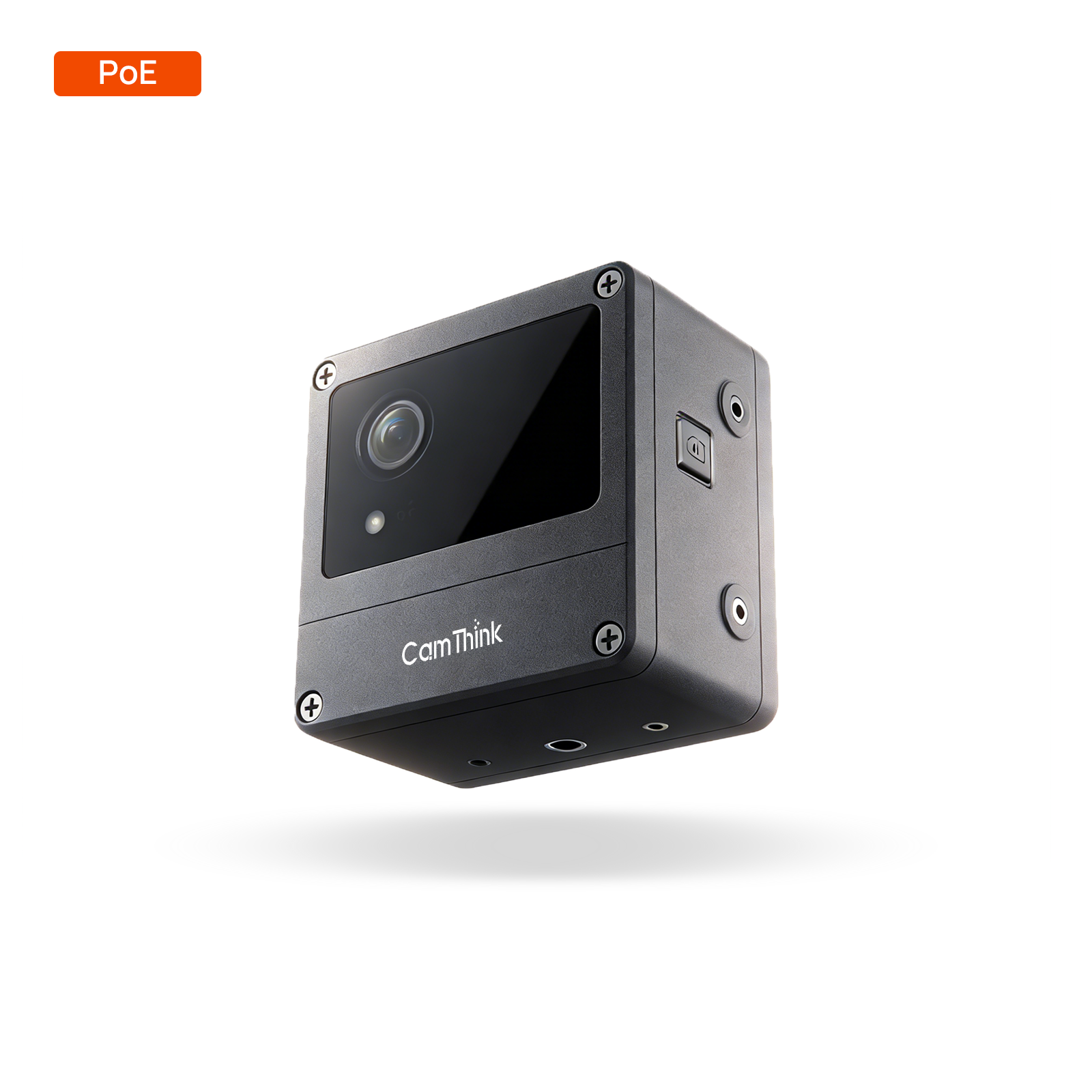
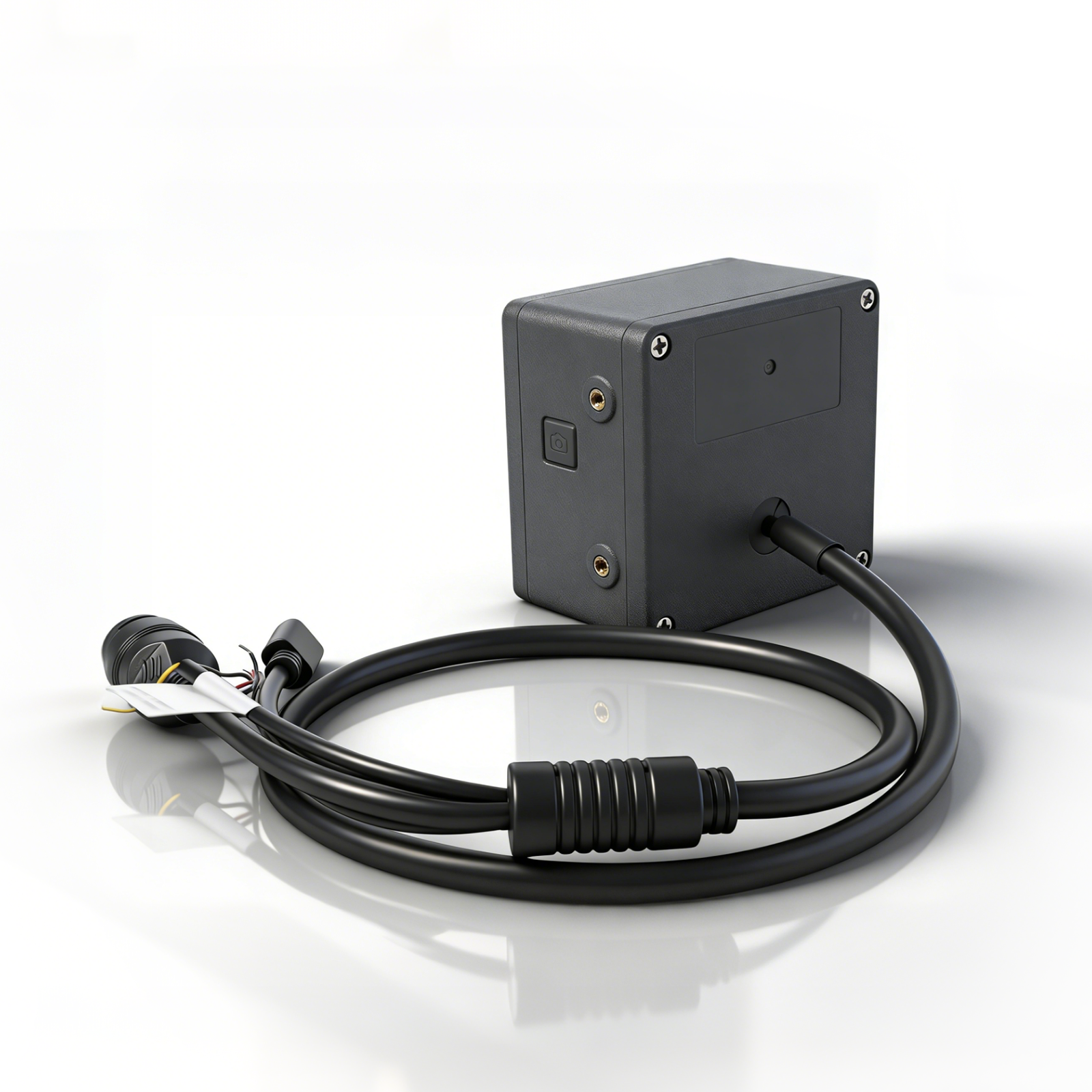
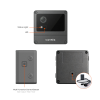
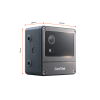

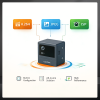
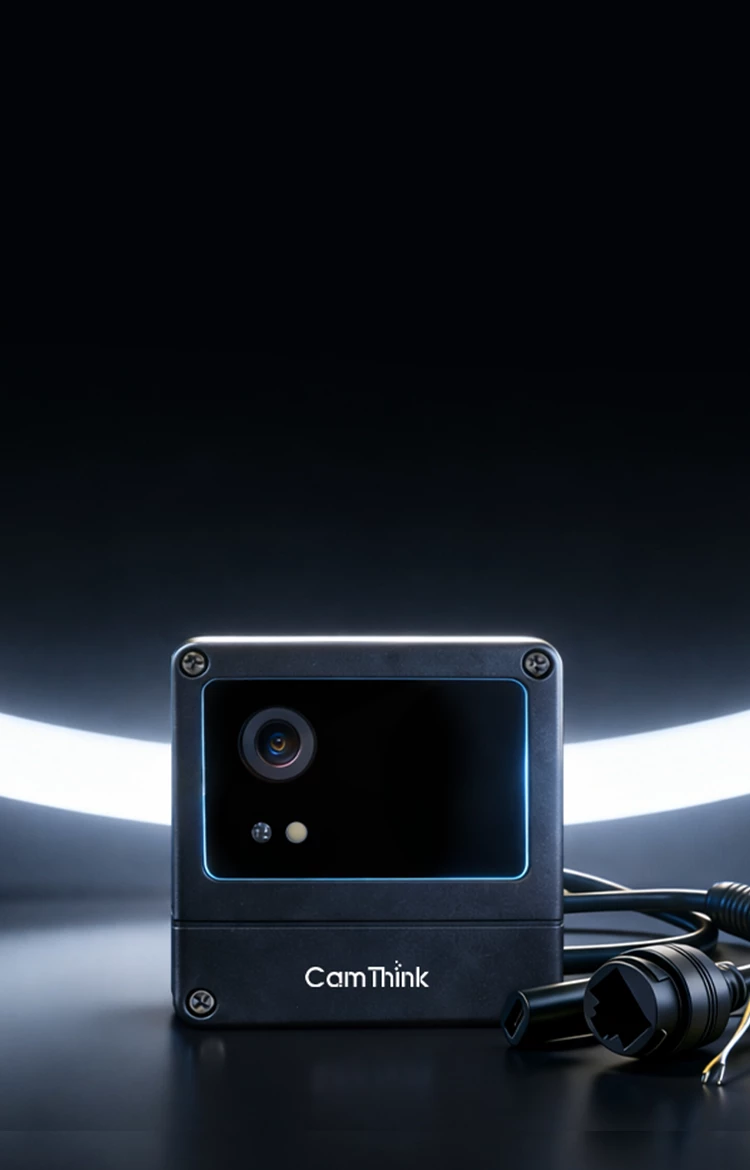
NeoEyes NE301 PoE Edge AI Camera
$258.00
Pre-order now. Ships in late March.
- PoE-Enabled for Infrastructure Deployment
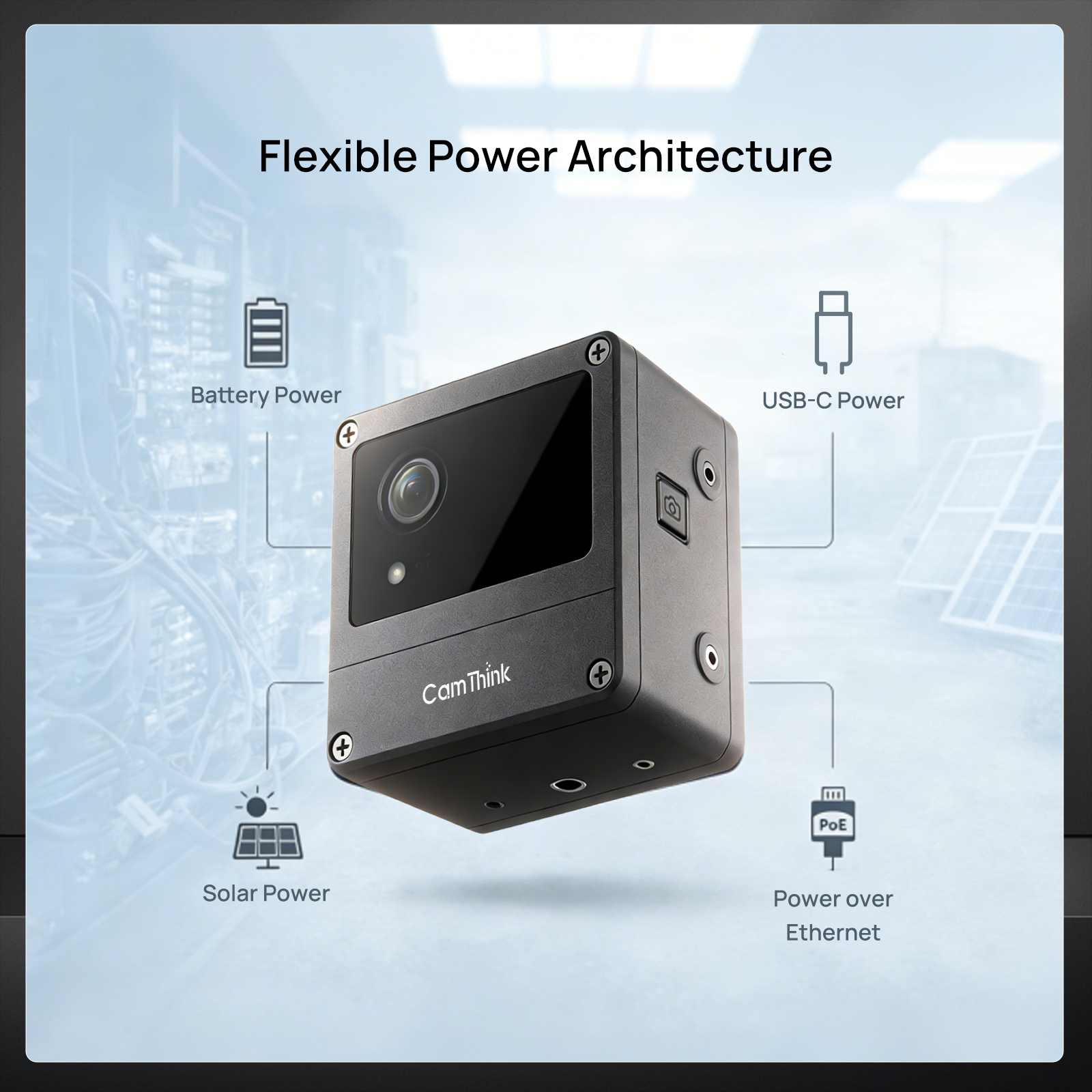
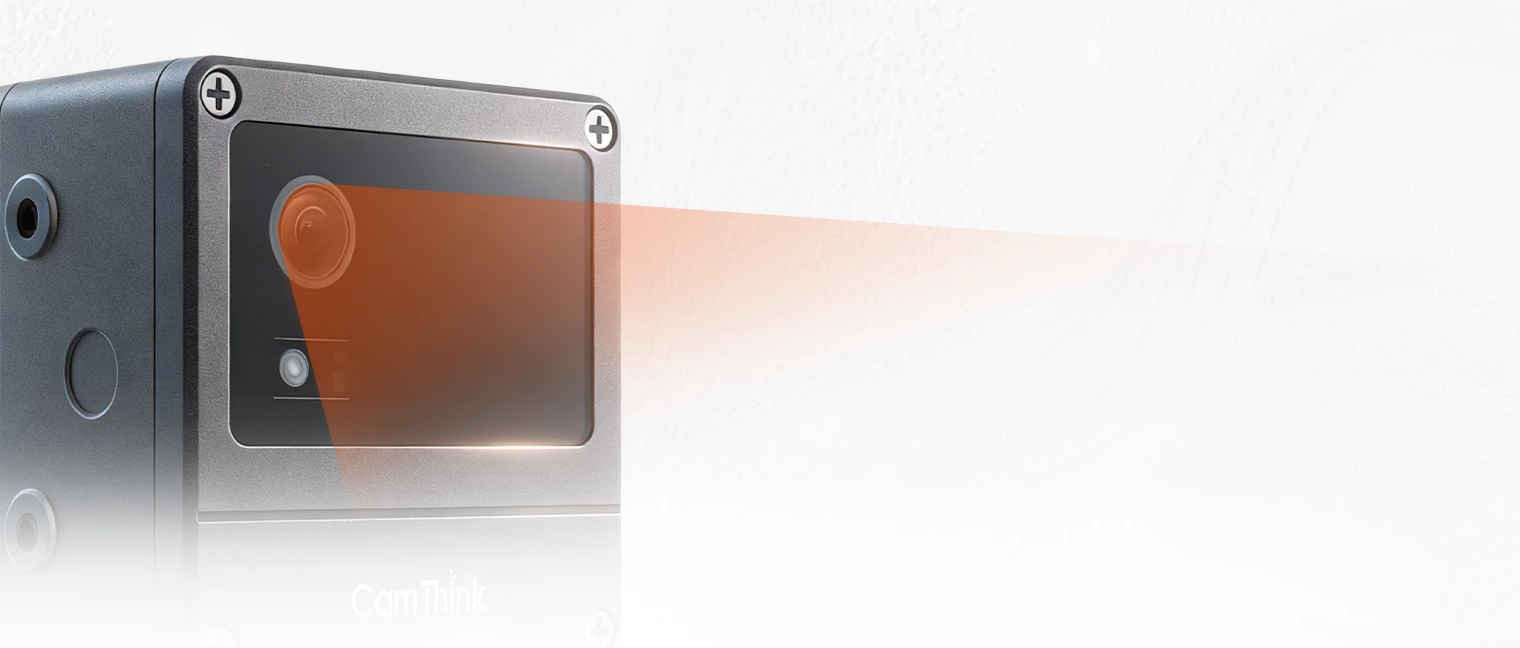
Integrated Power over Ethernet (PoE) enables both power and data through a single cable, ideal for fixed installations, industrial setups, and long-term deployments. - On-Device AI Inference with No Cloud Required
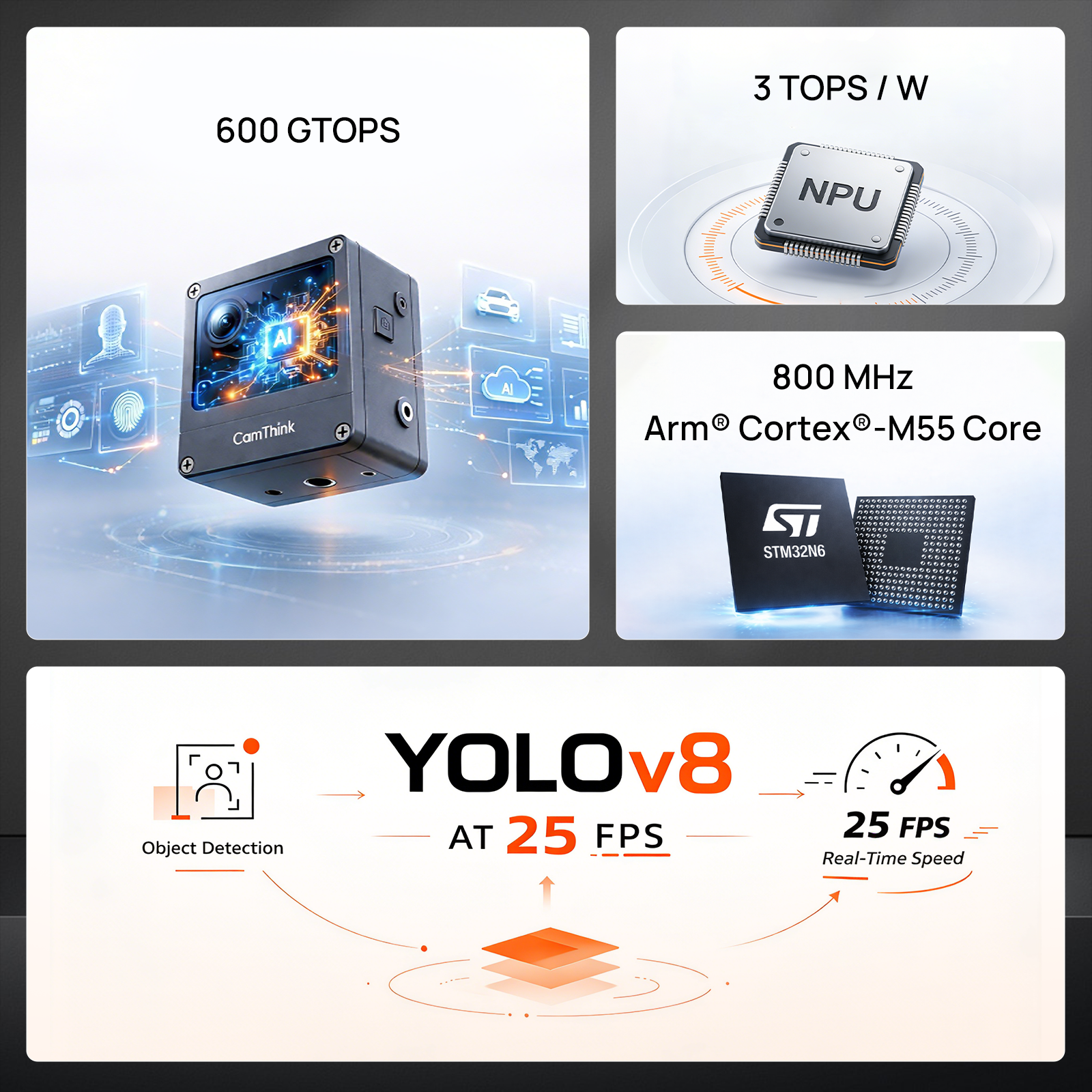
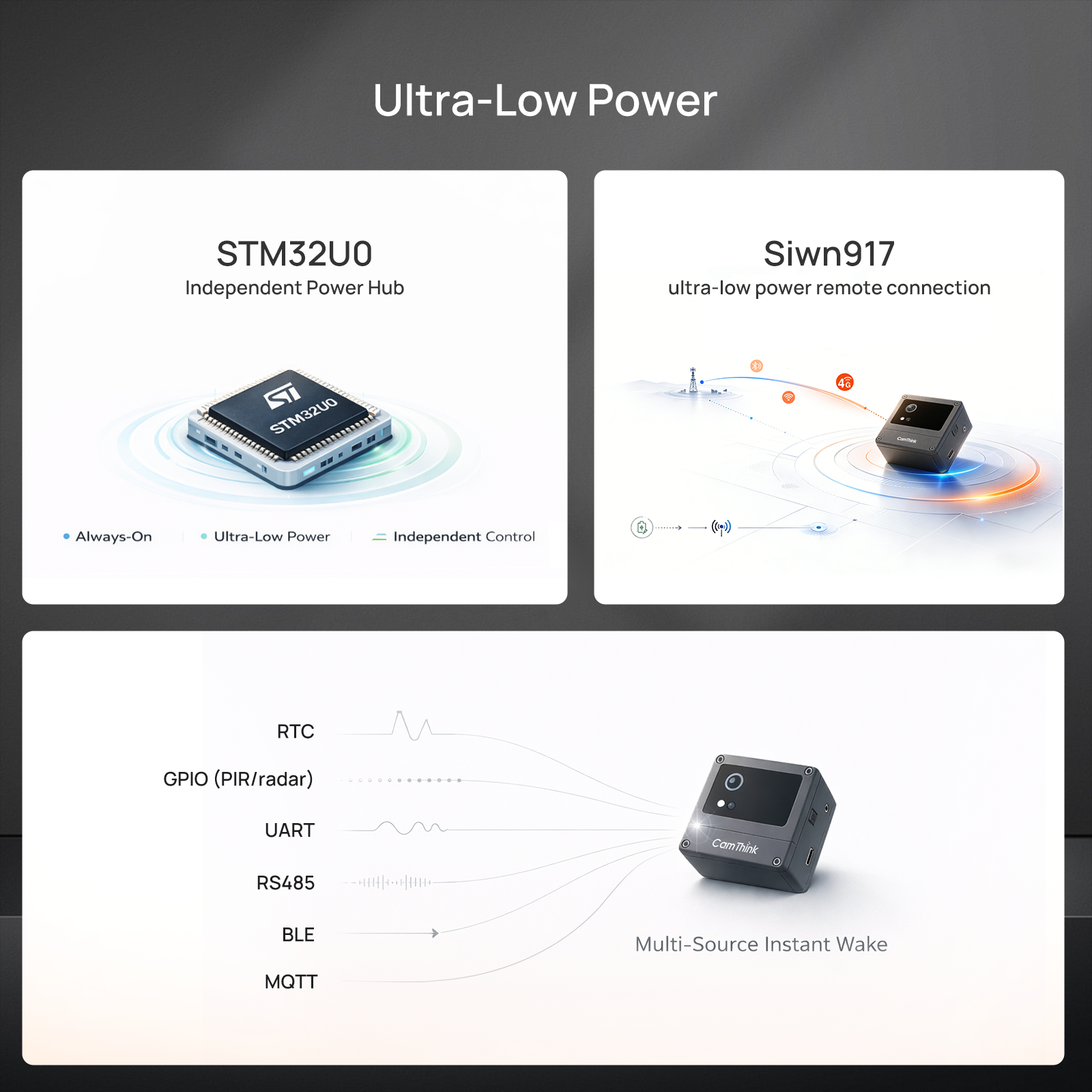
Powered by STM32N6 with up to 0.6 TOPS NPU acceleration, NE301 runs real-time AI models locally, reducing latency and protecting data privacy. - Bring Your Own Model (BYOM)
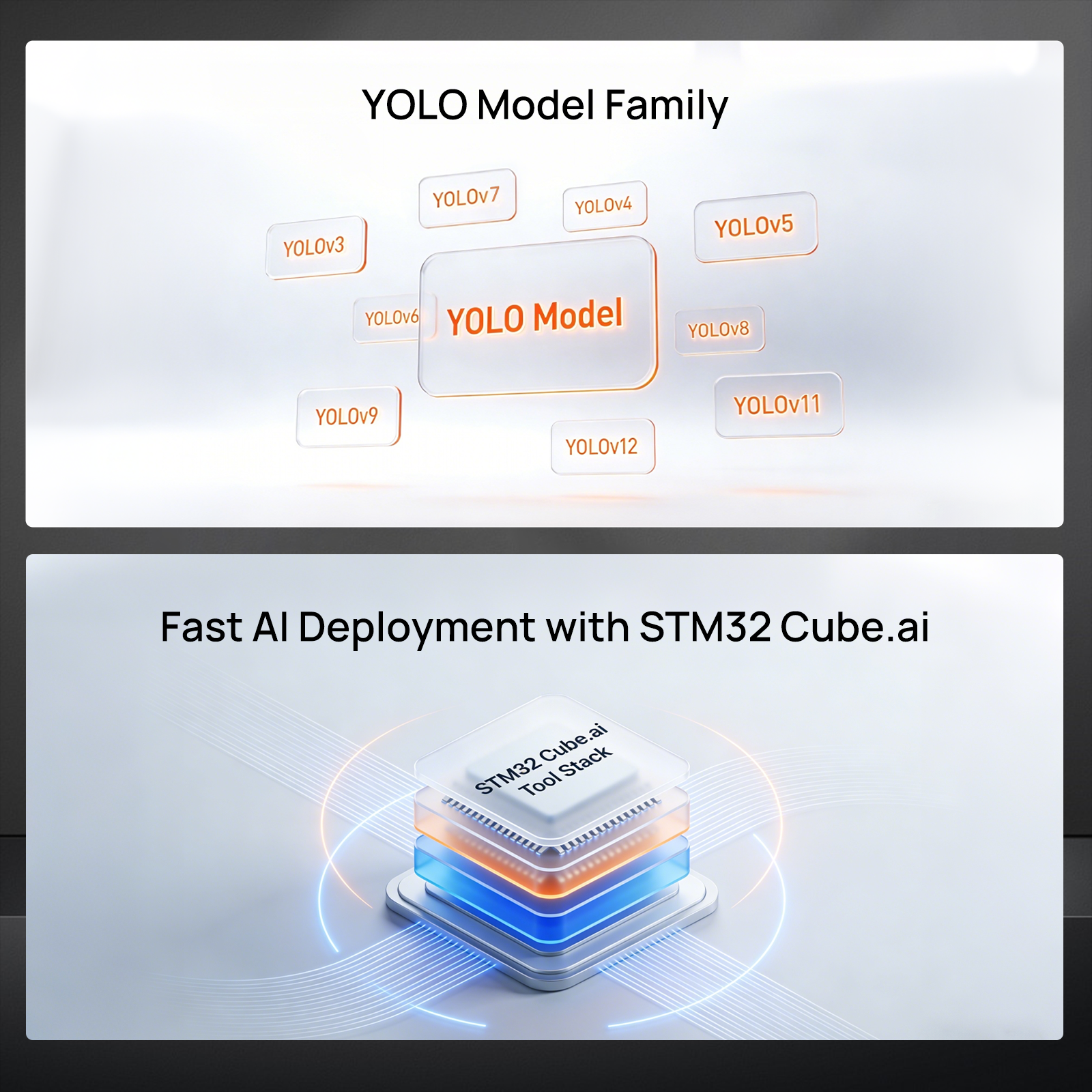
Supports custom INT8 TFLite models and mainstream lightweight architectures such as YOLO-family and MobileNet, giving developers full control over AI workflows. - Designed for 24/7 Deployment
Industrial-grade enclosure, ultra-low-power dual-core architecture, and Always-on Video (AOV) support for continuous monitoring in real-world environments. - Open Platform for System Integration
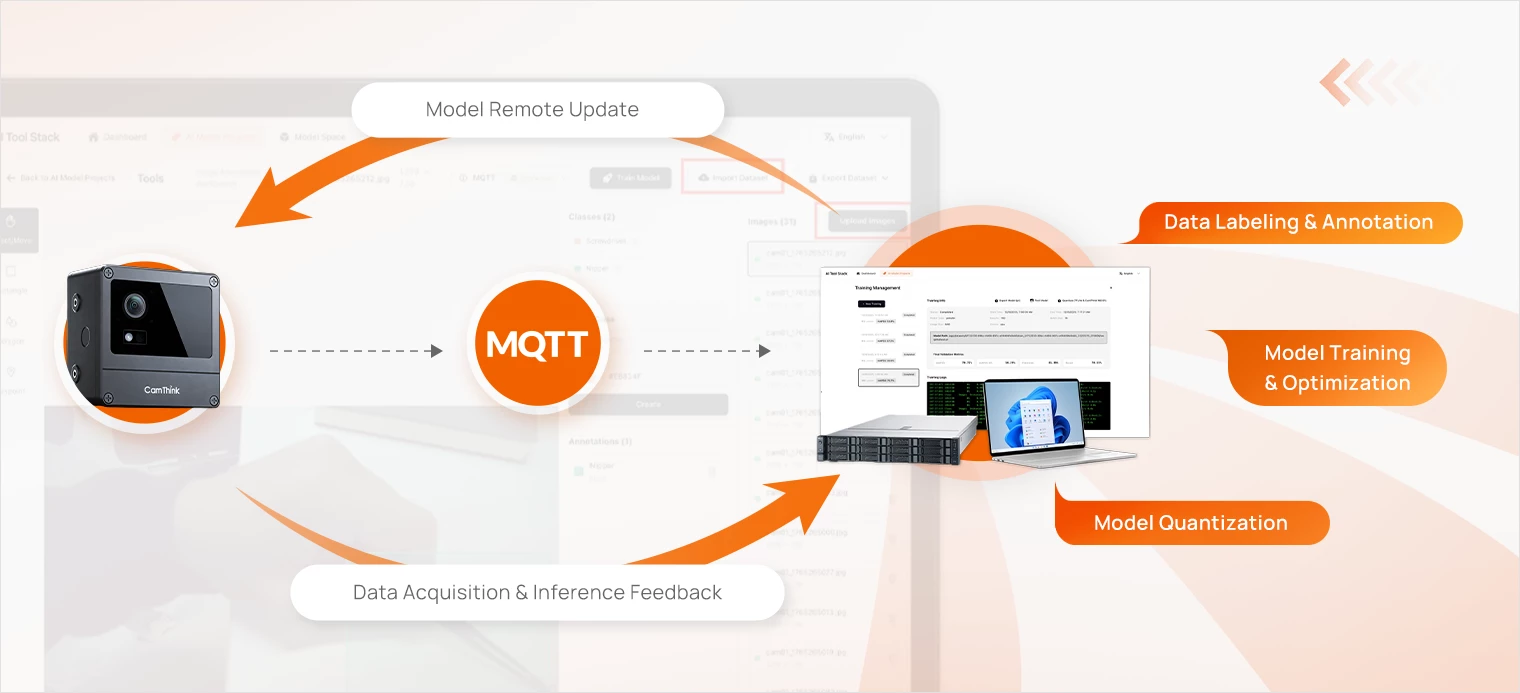
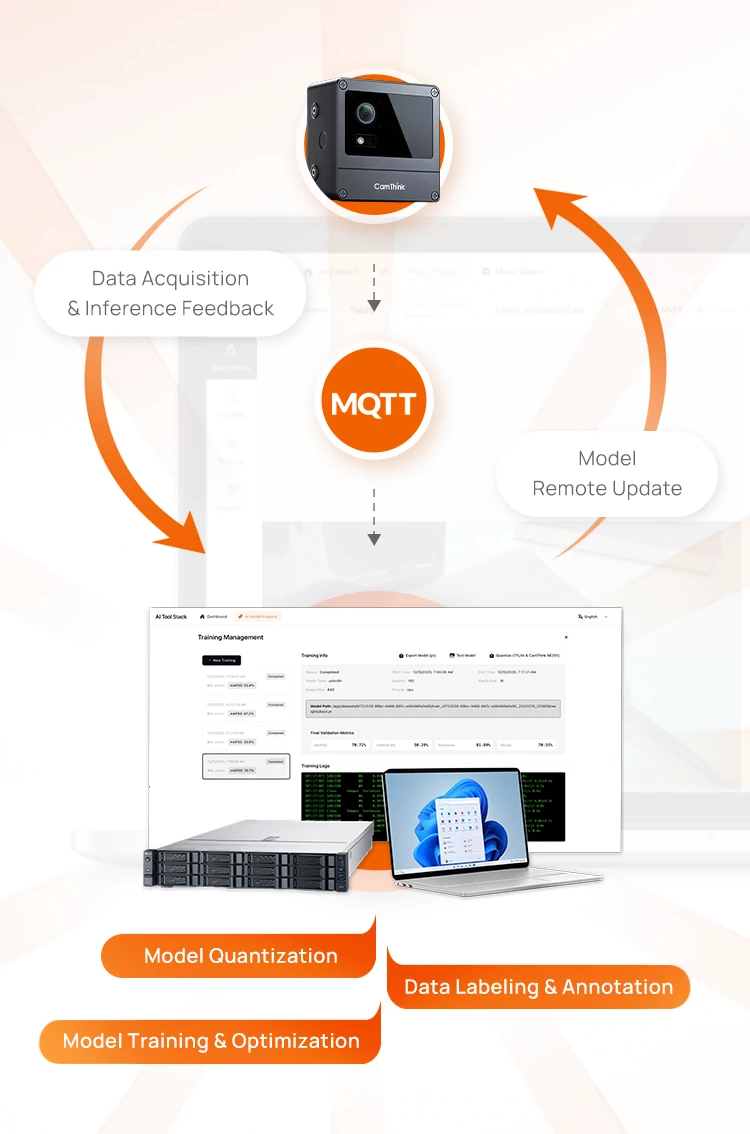
Open SDK and full-stack access with MQTT, HTTP, and other standard interfaces. Easily integrate into existing systems or build custom edge AI solutions.
SKU: N/A
Categories: AI Cameras, NE301
Pay with Ease
Fast International Shipping
30-Day Money-Back Guarantee
Hassle-free Warranty
Lifetime Customer Support
Event-Triggered Edge Vision AI Camera
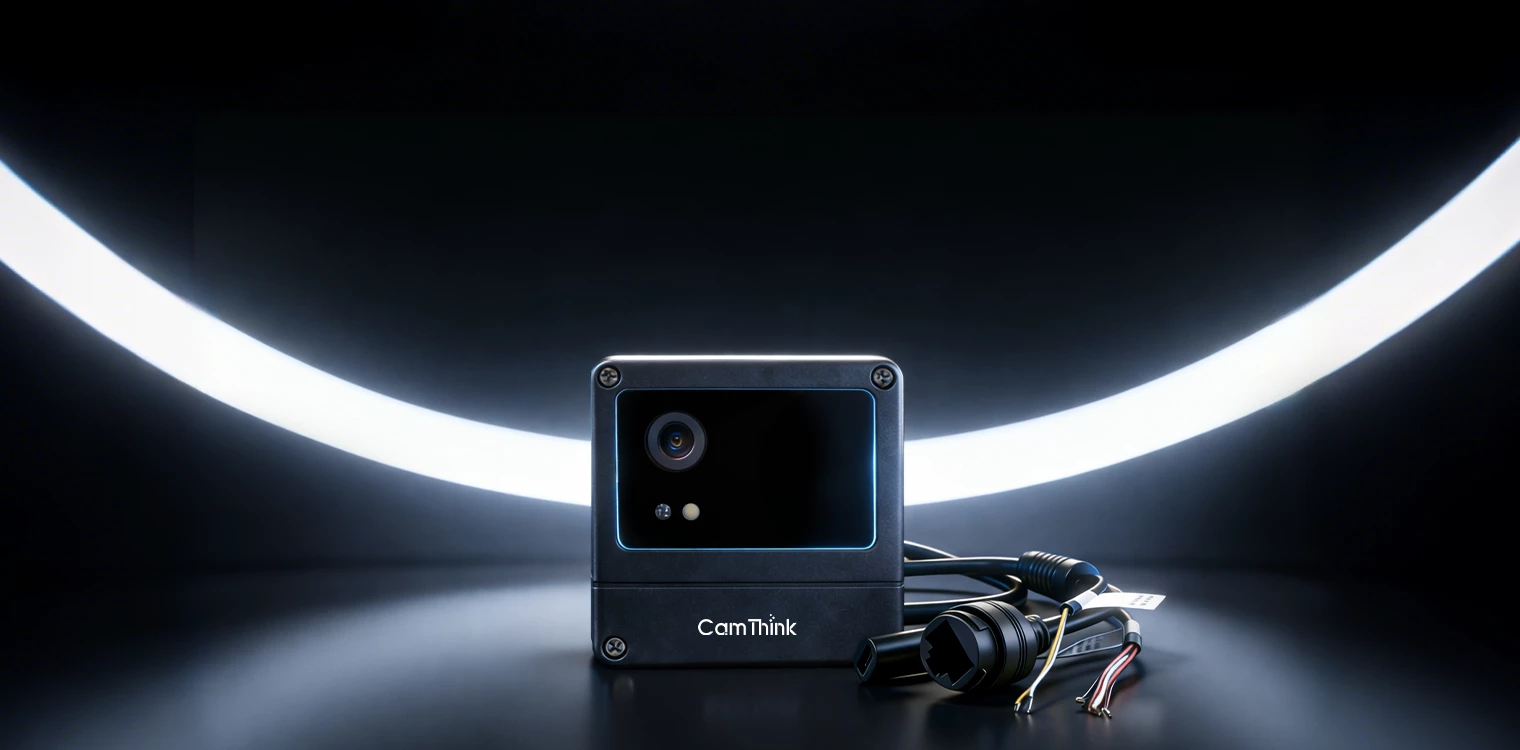
NeoEyes NE301 PoE
Built on STM32N6 with 0.6 TOPS for Fixed, Always-On Installations.
Designed for stable power, wired networking, and continuous AI or video workloads.
Why a PoE Version?
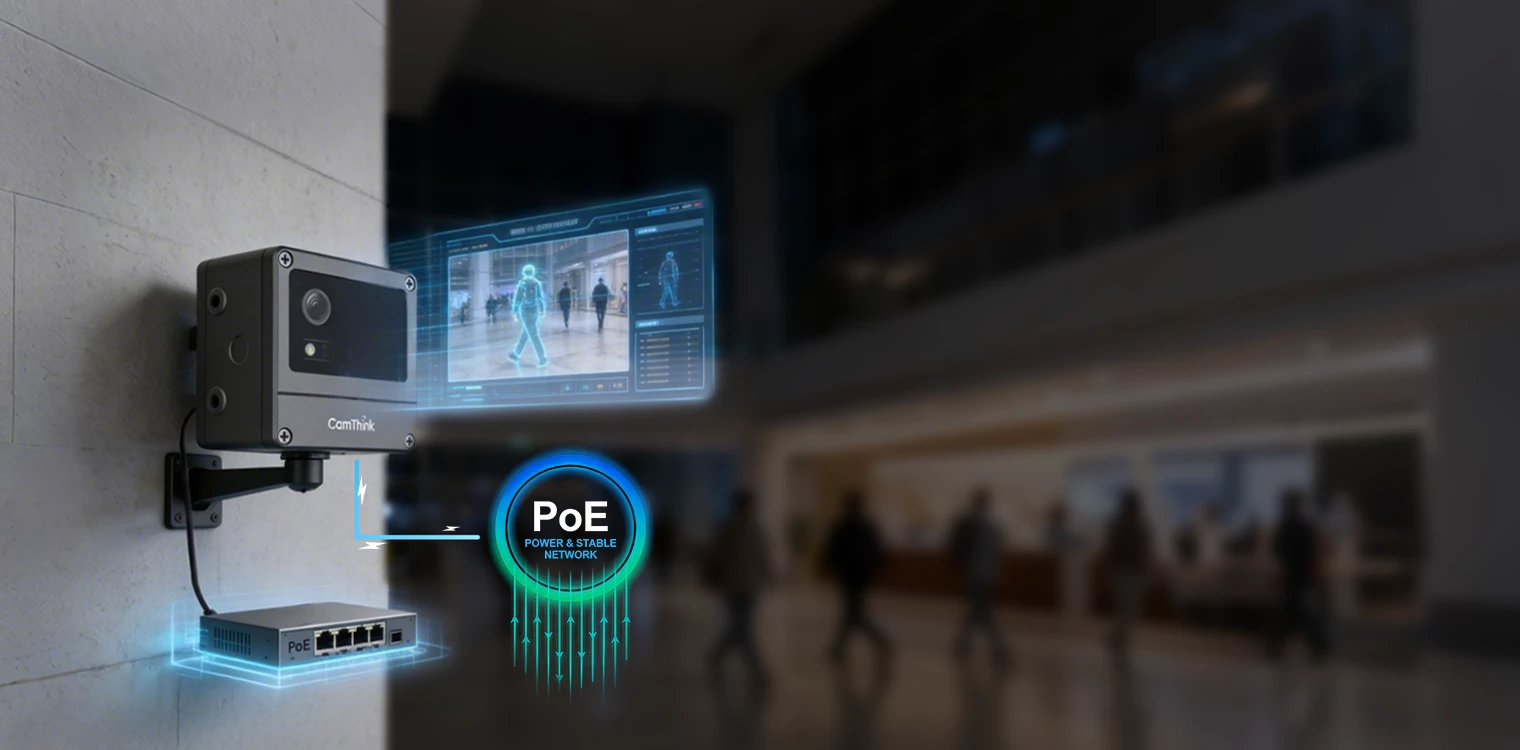
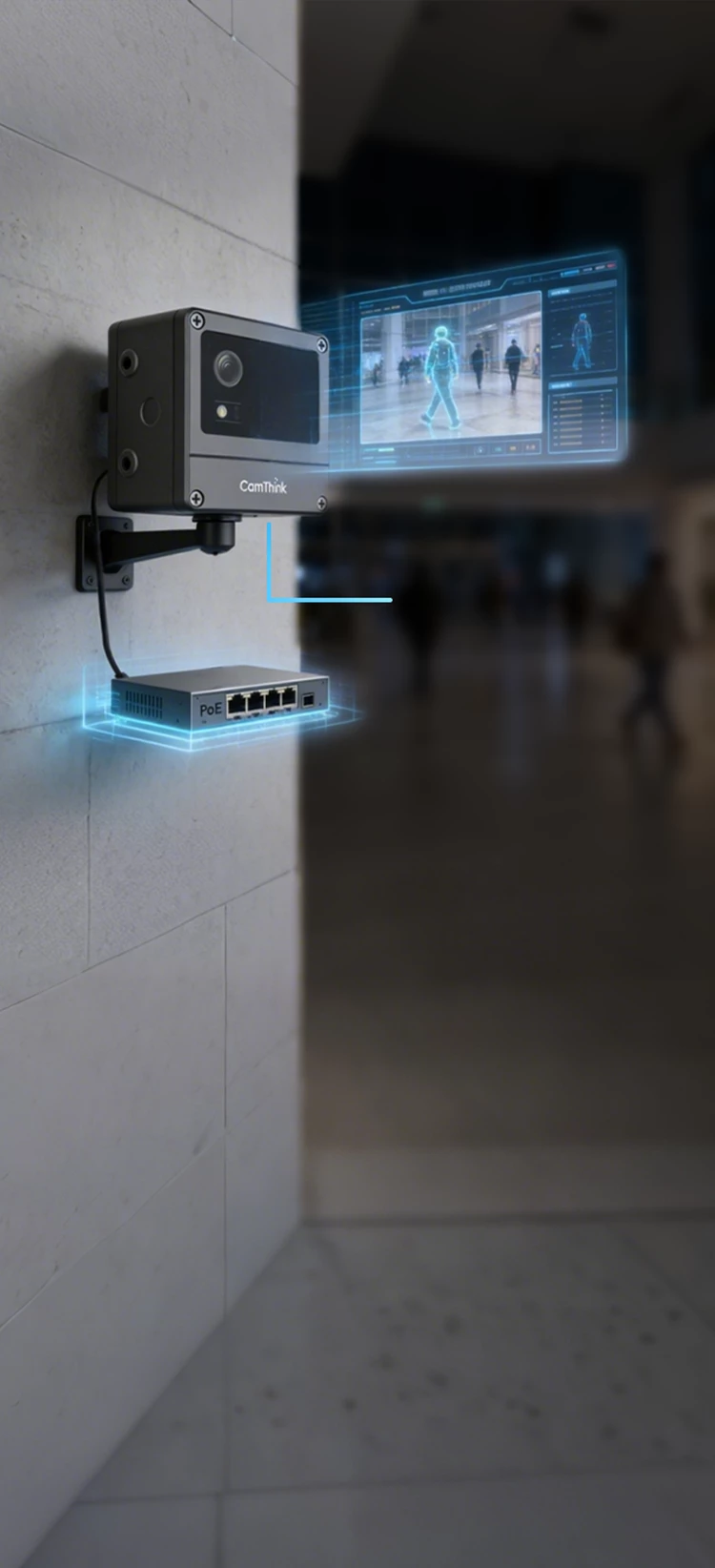
Battery-powered edge cameras are optimized for long standby and infrequent events. Some deployments require the opposite:
-
Stable, uninterrupted power
-
Stable networking
-
Continuous or high-frequency AI inference
-
No battery replacement
-
Minimal maintenance after installation
NE301 PoE is built for those scenarios.
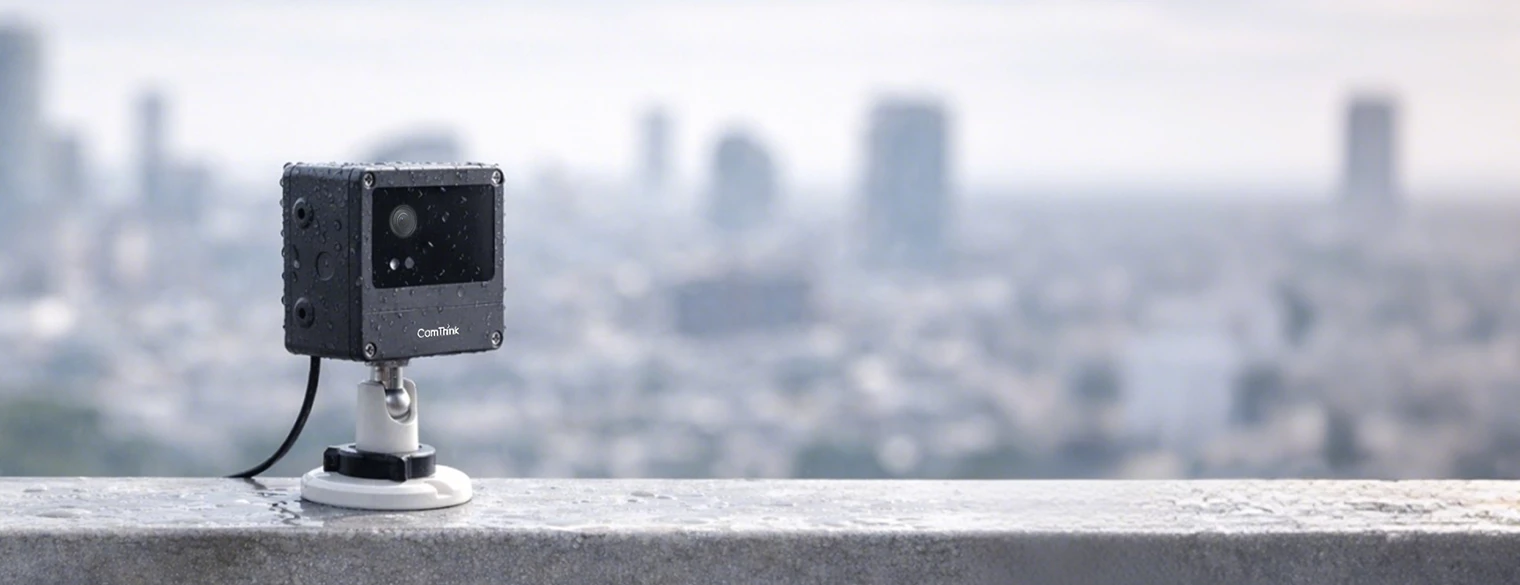
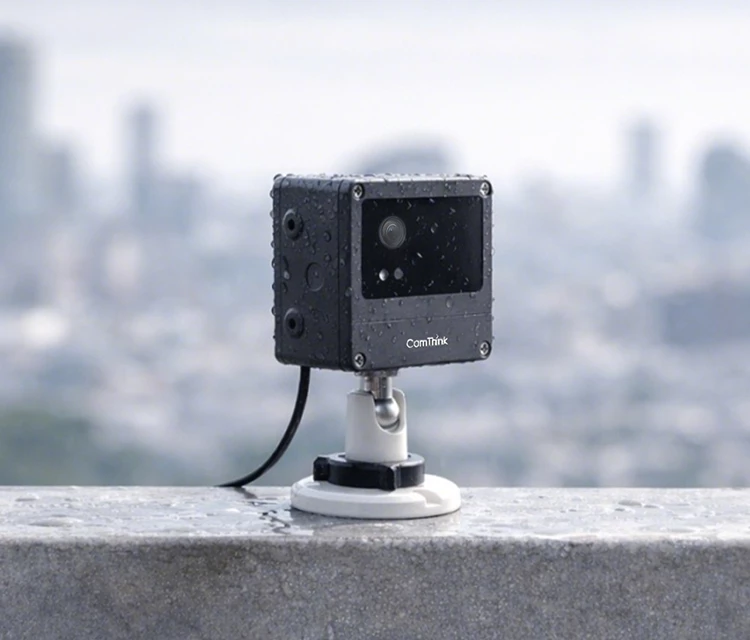
Designed to Run Unattended
— For
Months or Years
-
IP67
-
−20 °C to 50 °C
-
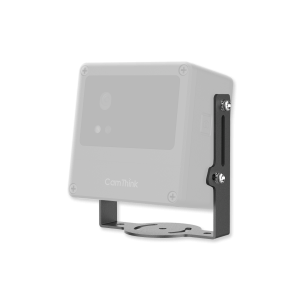
Multiple mounting options
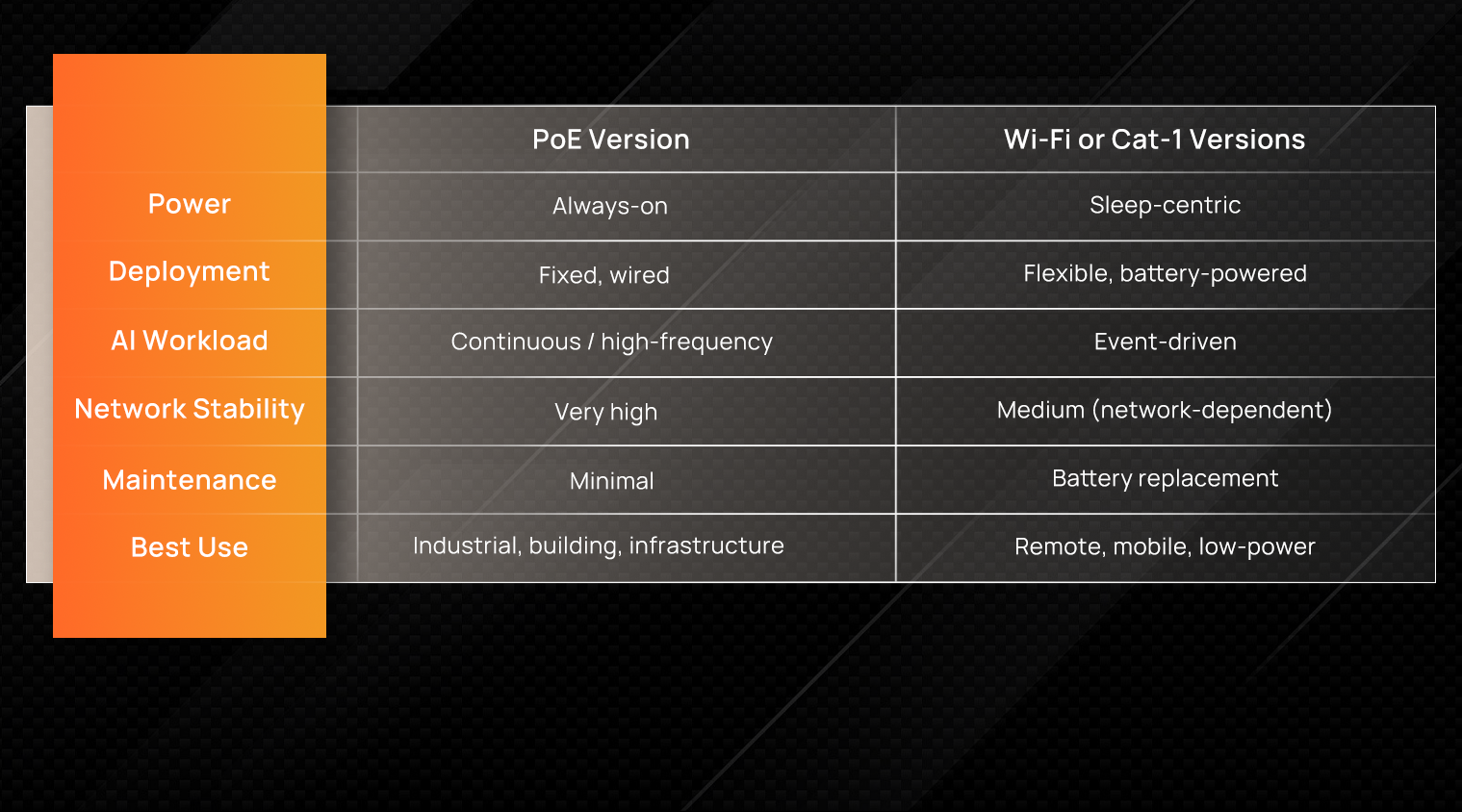
Compared to Wi-Fi or LTE Cat.1 Version ( battery-based setups ), PoE removes power uncertainty,
reduces on-site maintenance, and is suitable for continuous AI or video workloads.
If you need battery-powered or infrastructure-free deployment, choose a Wi-Fi or Cat-1 version
instead.
Compared to Wi-Fi or LTE Cat.1 Version ( battery-based setups ), PoE removes power uncertainty,
reduces on-site maintenance, and is suitable for continuous AI or video workloads.
If you need battery-powered or infrastructure-free deployment, choose a Wi-Fi or Cat-1 version
instead.

Fixed Industrial
Inspection Points

Smart Buildings &
Access Monitoring

Warehouses
& Logistics Checkpoints

Infrastructure & Outdoor
Fixed Installations
Applications
Fixed Industrial Inspection Points
Smart Buildings & Access Monitoring
Warehouses & Logistics Checkpoints
Infrastructure & Outdoor Fixed Installations
Technical Specifications
AI Processor & Memory
| MCU Core | Arm Cortex-M55 @ 800 MHz with Arm Helium (M-Profile Vector Extension) |
| NPU | Neural-ART™ Accelerator @ 1 GHz |
| AI Performance | Up to 0.6 TOPS |
| SRAM | 4.2 MB |
| HyperFlash | 128 MB |
| PSRAM | 64 MB |
Power & Efficiency
| NPU Efficiency | Up to 3 TOPS/W |
| Standby Current | ~7 μA (low-power mode) |
| Boot Time | Microsecond-level boot |
| Wake-up Time | Millisecond-level wake-up |
| Cooling | Passive (fanless) |
| Power Input | USB Type-C / Battery / PoE (variant dependent) |
| Power Ctrl Unit | The STM32U073Kx further reduces N6 power consumption through independent, refined power management. |
AI Software Support
| Pre-installed Analytics | Human detection & recognition |
| Model Compatibility | Compatible with lightweight CNN-based vision architectures, including YOLO-family, SSD-based detectors, MobileNet-class and ResNet-class models |
| Audio & Time-Series | YamNet, MiniResNet, Human Activity Recognition (HAR) |
| Custom Models | Supports INT8 TFLite models (BYOM) |
Imaging System
| Image Sensor | 1/2.9" Progressive Scan CMOS |
| Camera Module | 4 MP OS04C10 |
| Max Resolution | 2688 × 1520 (4 MP) |
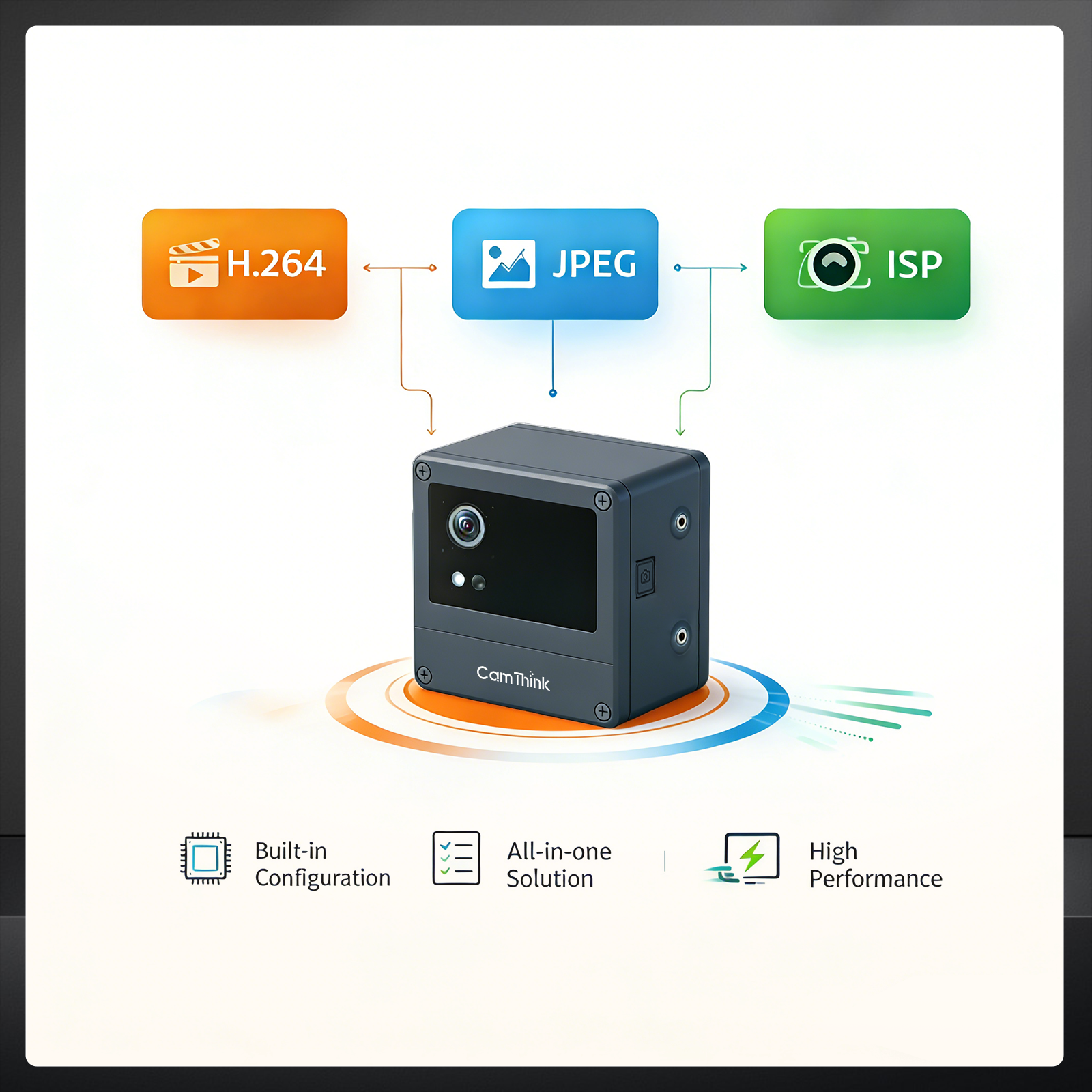
| Video Encoding | H.264 hardware encoder, JPEG codec |
| Frame Rate | Up to 1080p @ 30 fps |
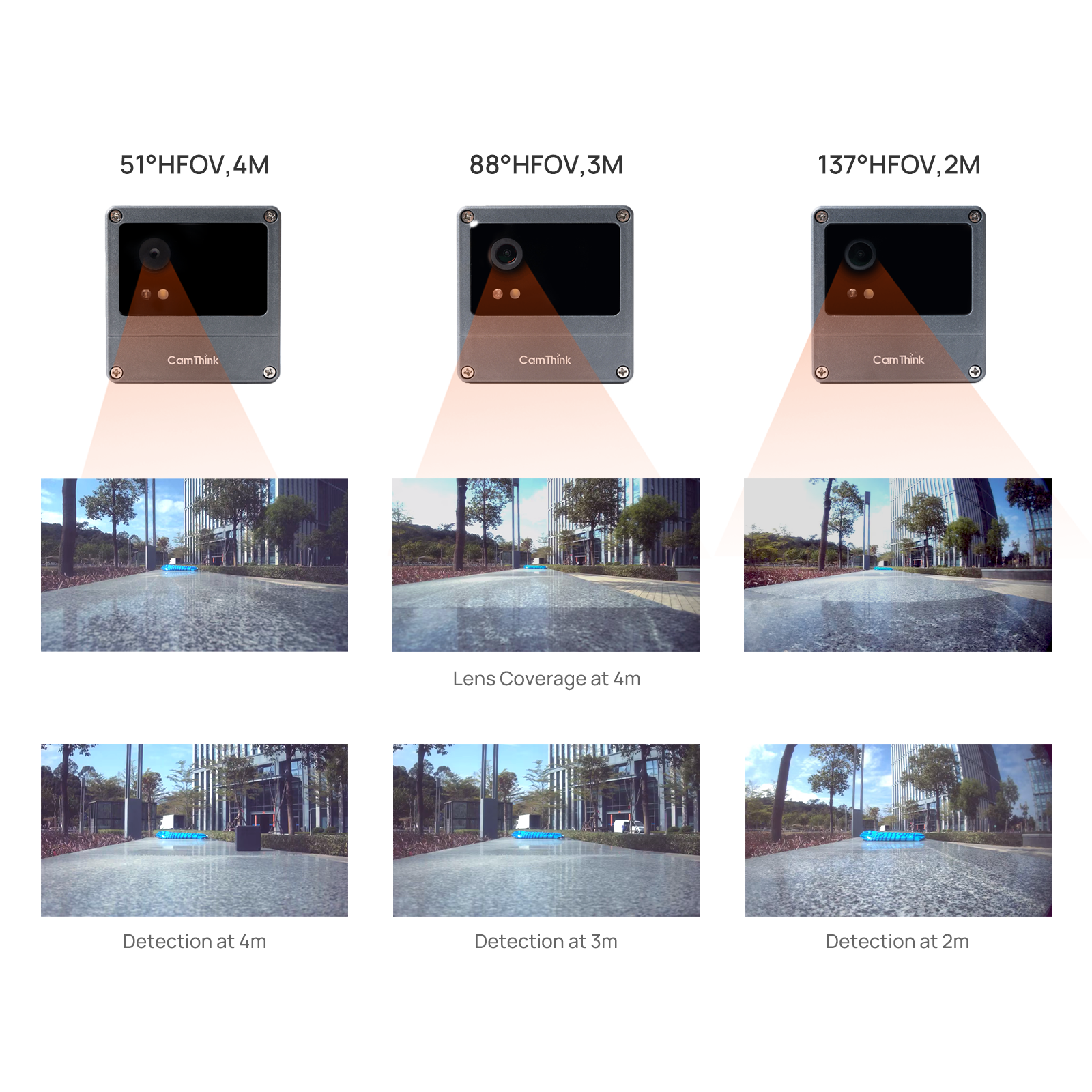
Lens Options
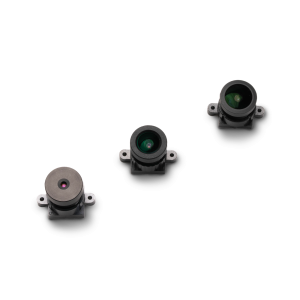
| 2.5 mm | 3.0 mm | 6.0 mm | |
|---|---|---|---|
| HFOV | 137° | 88° | 51° |
| Aperture | F2.4 | F2.5 | F2.2 |
| Distortion | < -33% | < 1% | < 1.6% |
Connectivity & Protocol
| Wireless | Wi-Fi 6 (802.11ax), Bluetooth 5.4 |
| Cellular | LTE Cat.1 (variant dependent) |
| PoE | Supported (variant dependent) |
| Protocol Stack | Based on LwIP and MbedTLS |
| Protocol Support | HTTP / HTTPS MQTT / MQTTS |
Interfaces & Expansion (Mainboard)
| Alarm Interface | 1 × Alarm In, 1 × Alarm Out (supports 4-pin smart PIR) |
| Storage | Built-in MicroSD / SDHC / SDXC slot, up to 2 TB |
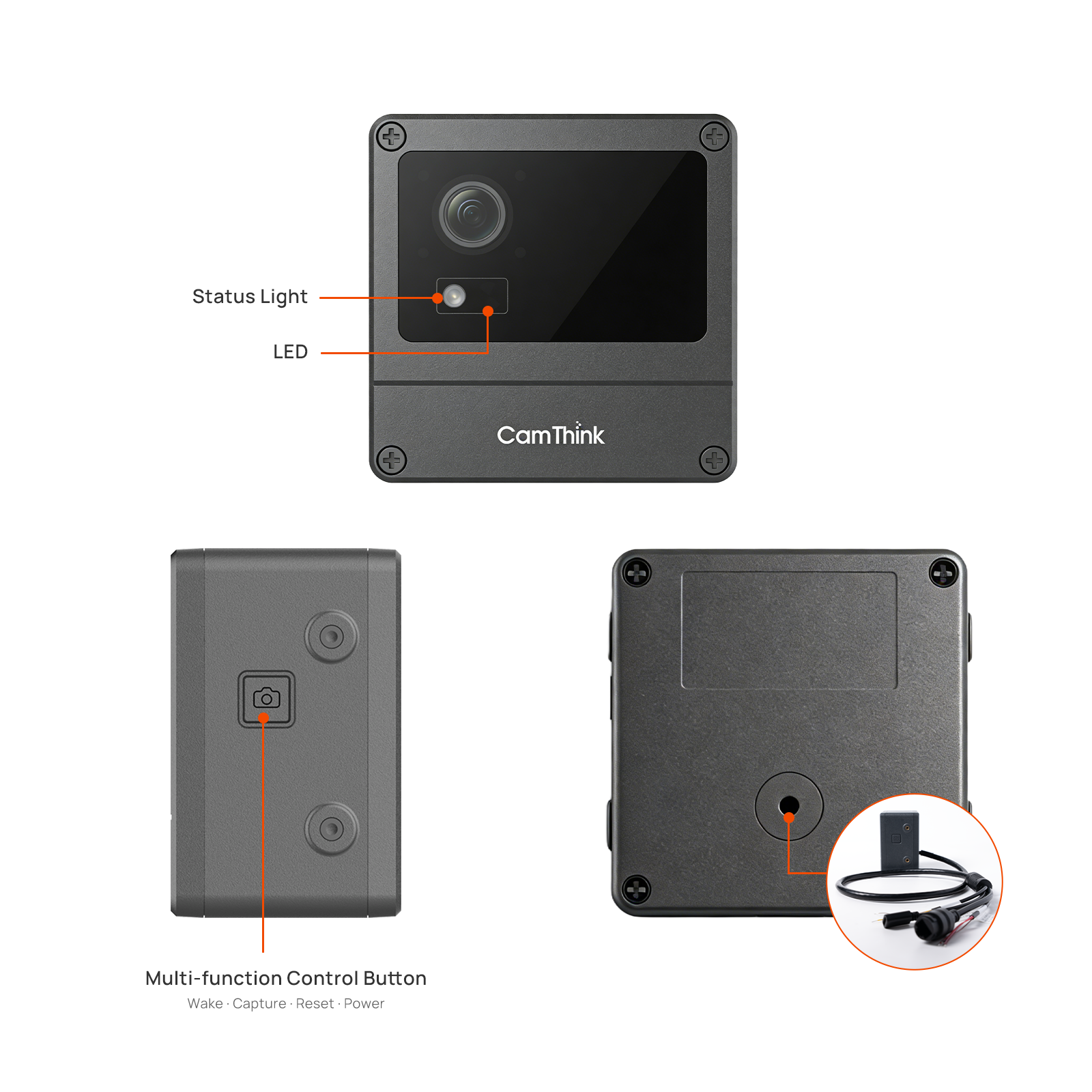
| Multi-function Button | Reset / Wake / Capture |
| Lens Interface | 1× 4-pin USB, 1× MIPI CSI-2 |
| I/O Interfaces | 1× UART, 1× RS485, 1× I²C, 2× GPIO, 2× GND, 1× 3.3 V / 5 V (controllable) |
| Debug / Power | 1× USB Type-C, 1× 4-pin UART |
| Audio I/O | 1× Audio-In, 1× Audio-Out |
| Communication Expansion | 12-pin + 16-pin expansion IOs for communication modules |
| Power Interface | 2-pin connector (Battery / USB Type-C) |
| Sensor Expansion | Supports PIR, radar, temperature/humidity, and other sensors via motherboard I/O |
Environmental & Certification
| Operating Temperature | -20 °C to 50 °C |
| Operating Humidity | < 95% RH (non-condensing) |
| Protection Rating | IP67 |
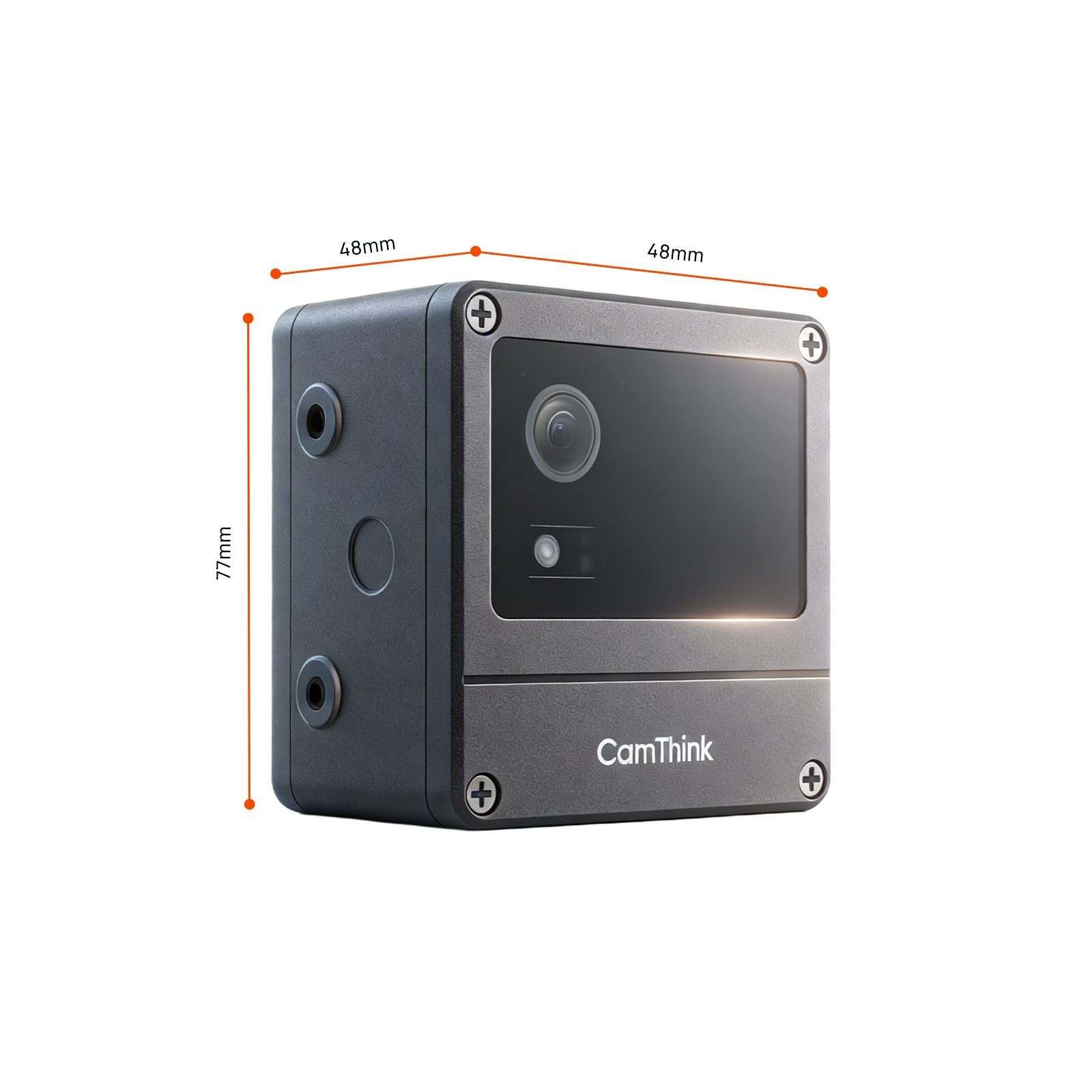
| Dimensions | 77 × 77 × 48 mm |
| Certifications | CE, FCC |
FAQ
NE301 can wake up through multiple mechanisms, including:
- Scheduled triggers (RTC)
- Network-based triggers (e.g. MQTT messages)
- External sensors such as PIR or radar, etc.(via IO interfaces)
- Button
The exact trigger logic is configurable.
Yes.
NE301 PoE, Wi-Fi, and Cat-1 versions share the same core architecture and can coexist within the same system, serving different deployment roles.
If you're unsure whether PoE or a battery-based NE301 variant fits your project, contact us at support@camthink.ai
— we'll help you choose the right configuration
You may also like…
-
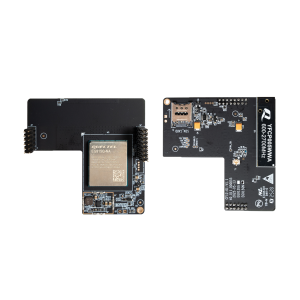
LTE Cat.1 Communication Board for NeoEyes
Price range: $35.00 through $42.00Select options This product has multiple variants. The options may be chosen on the product page -
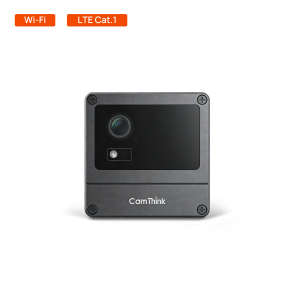
NeoEyes NE301 Edge AI Camera
Price range: $199.90 through $258.00Select options This product has multiple variants. The options may be chosen on the product page
Related products
-
NeoEyes NE101 Modular Sensing Camera
Price range: $69.00 through $112.00Select options This product has multiple variants. The options may be chosen on the product page -
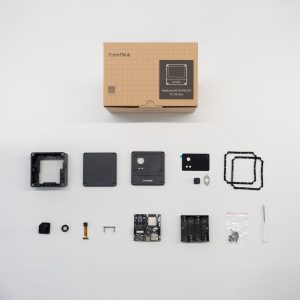
NeoEyes NE101 Dev Kit – Modular Vision Camera
$59.90