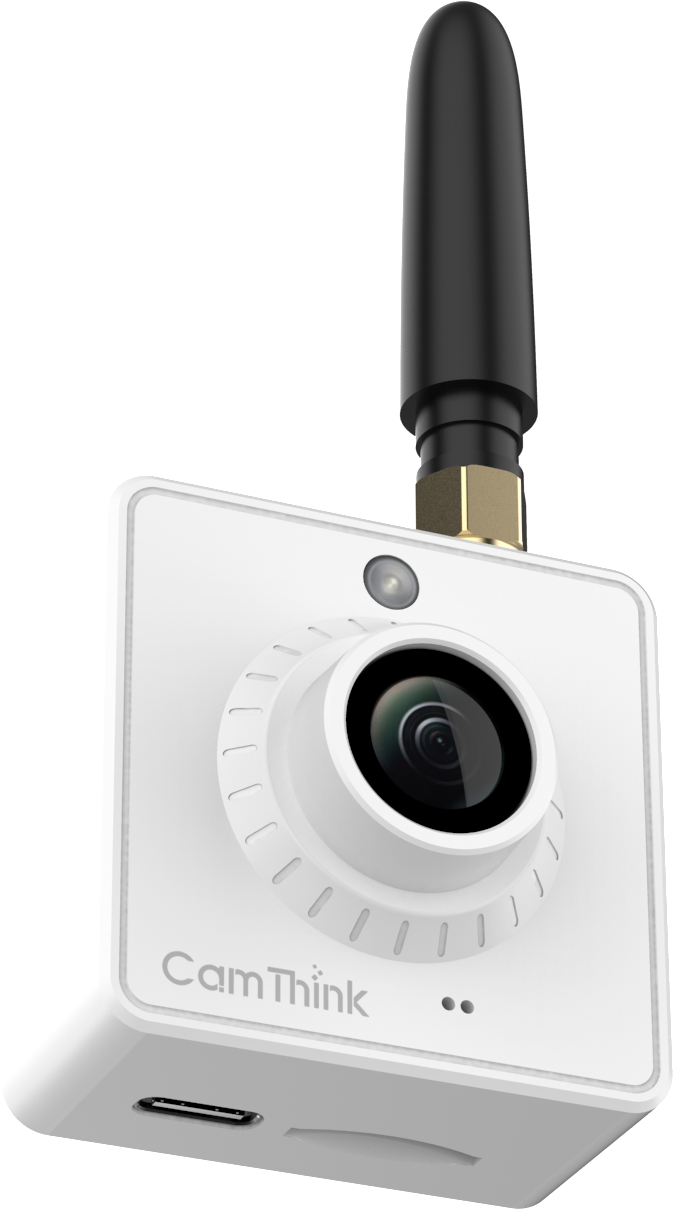
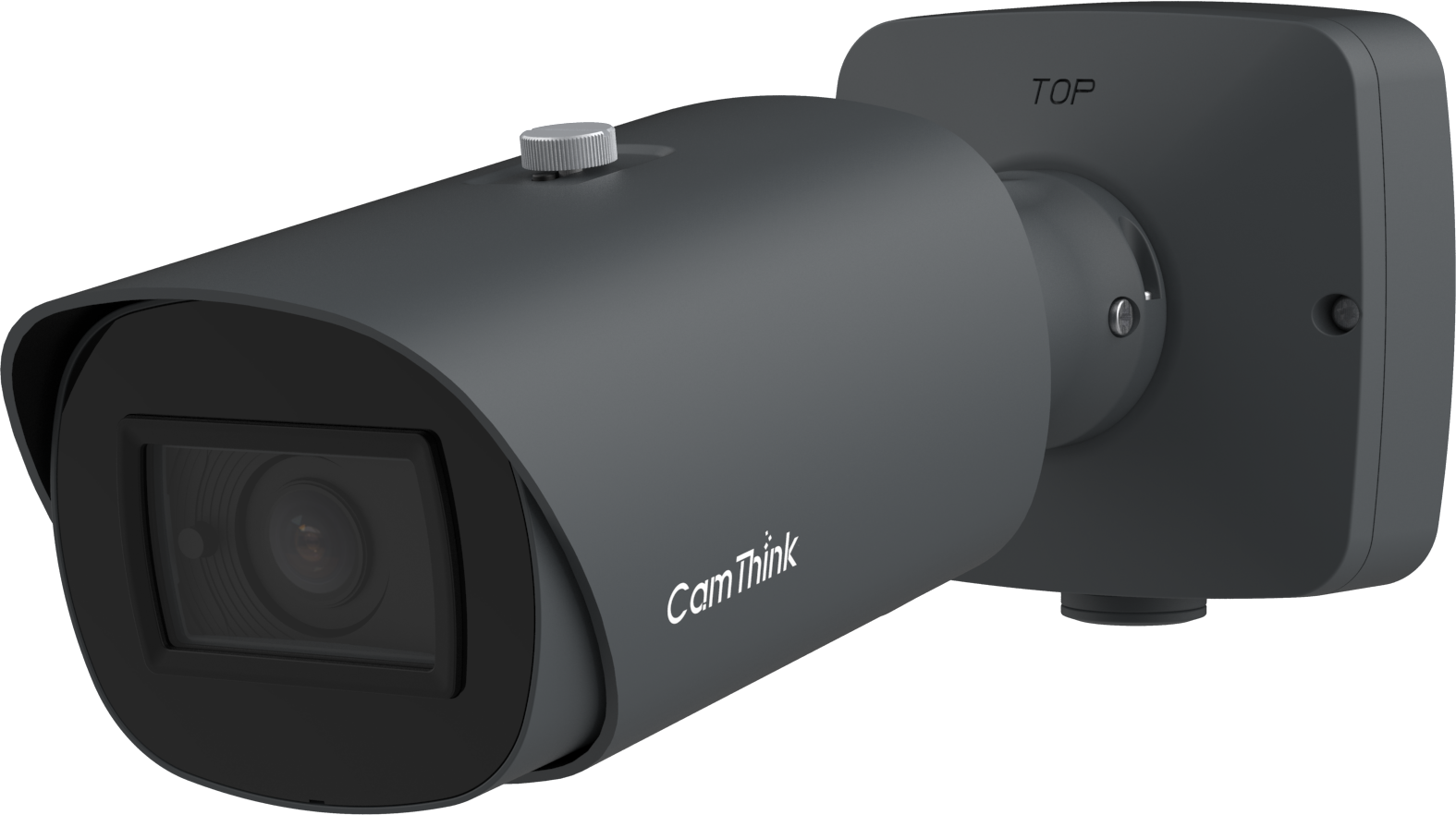
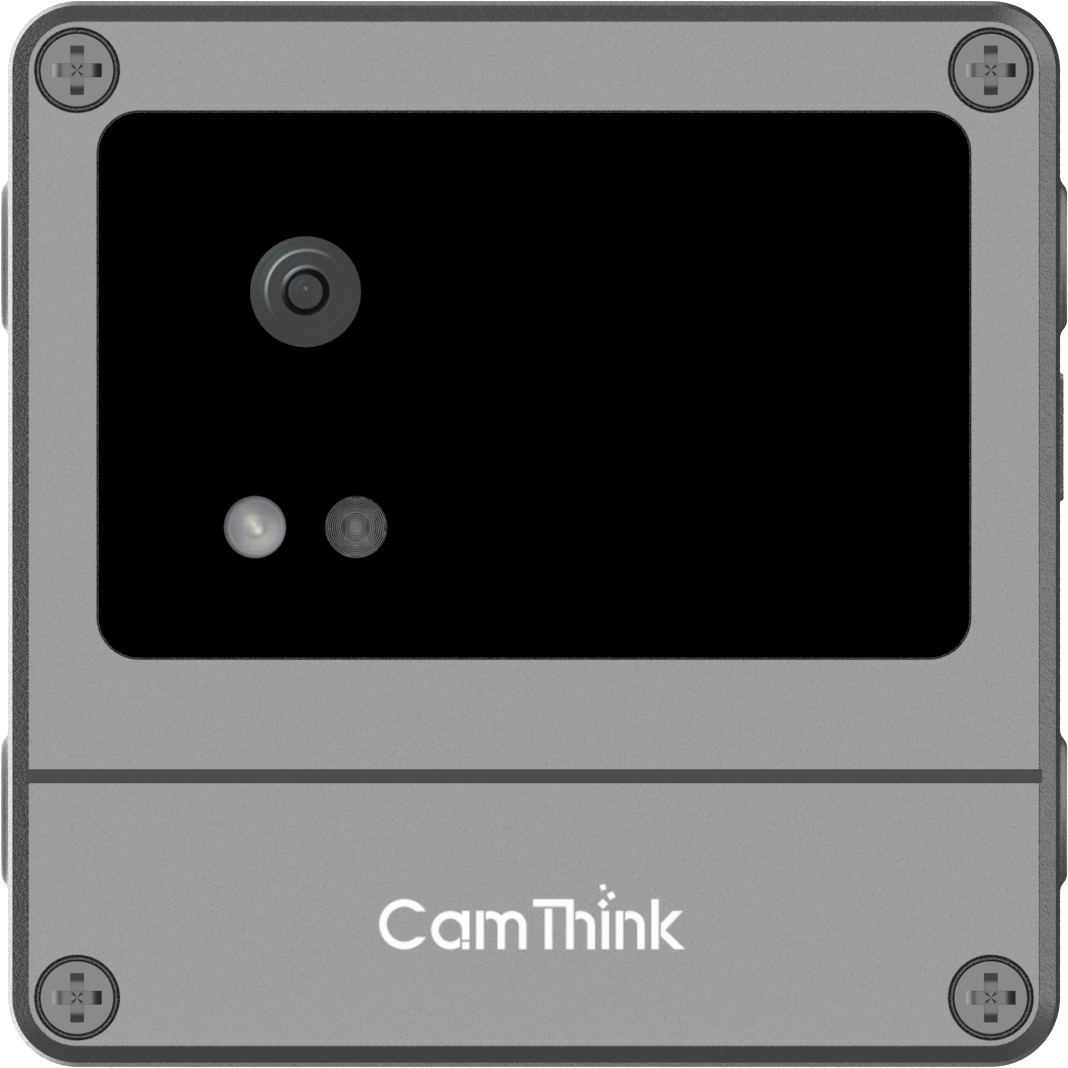
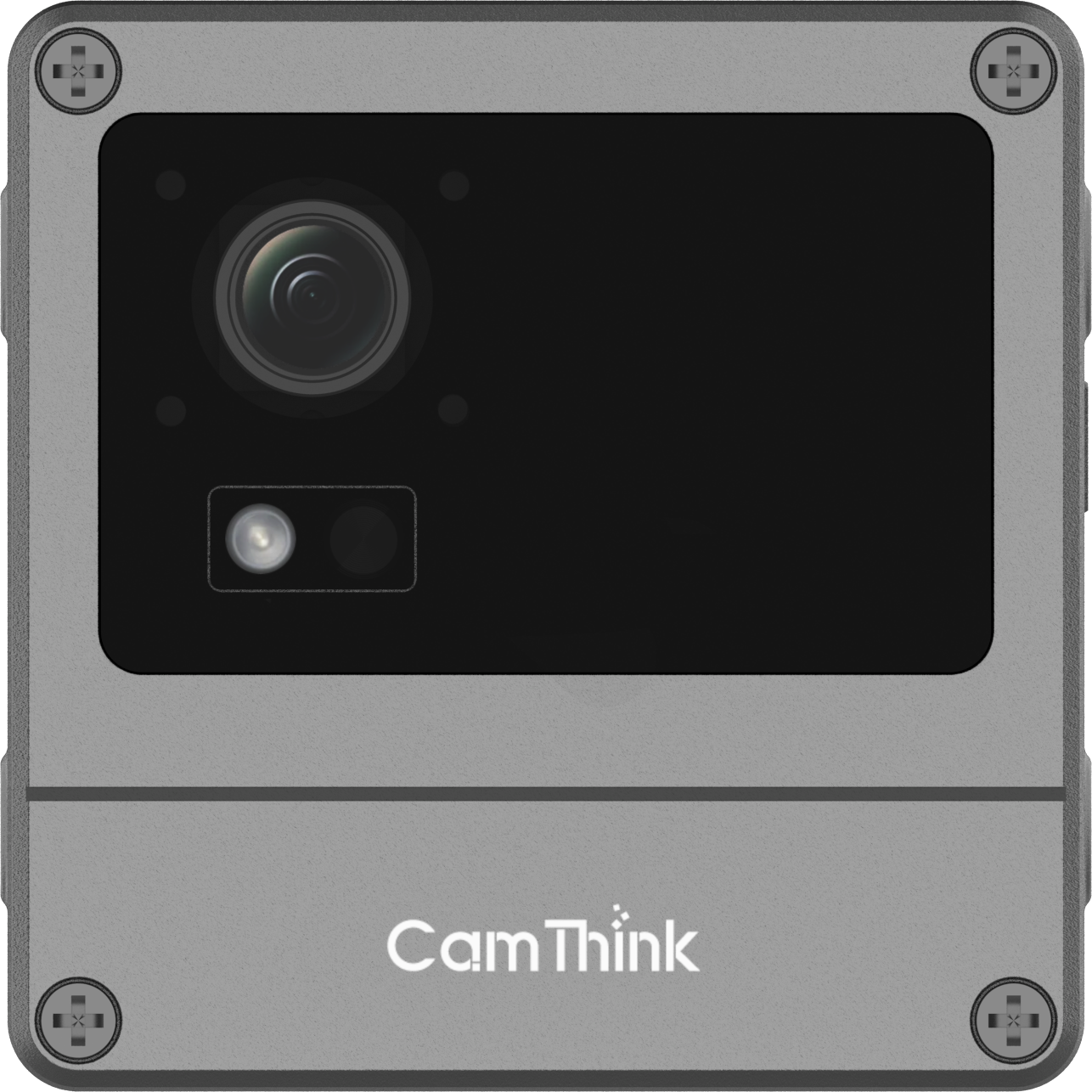
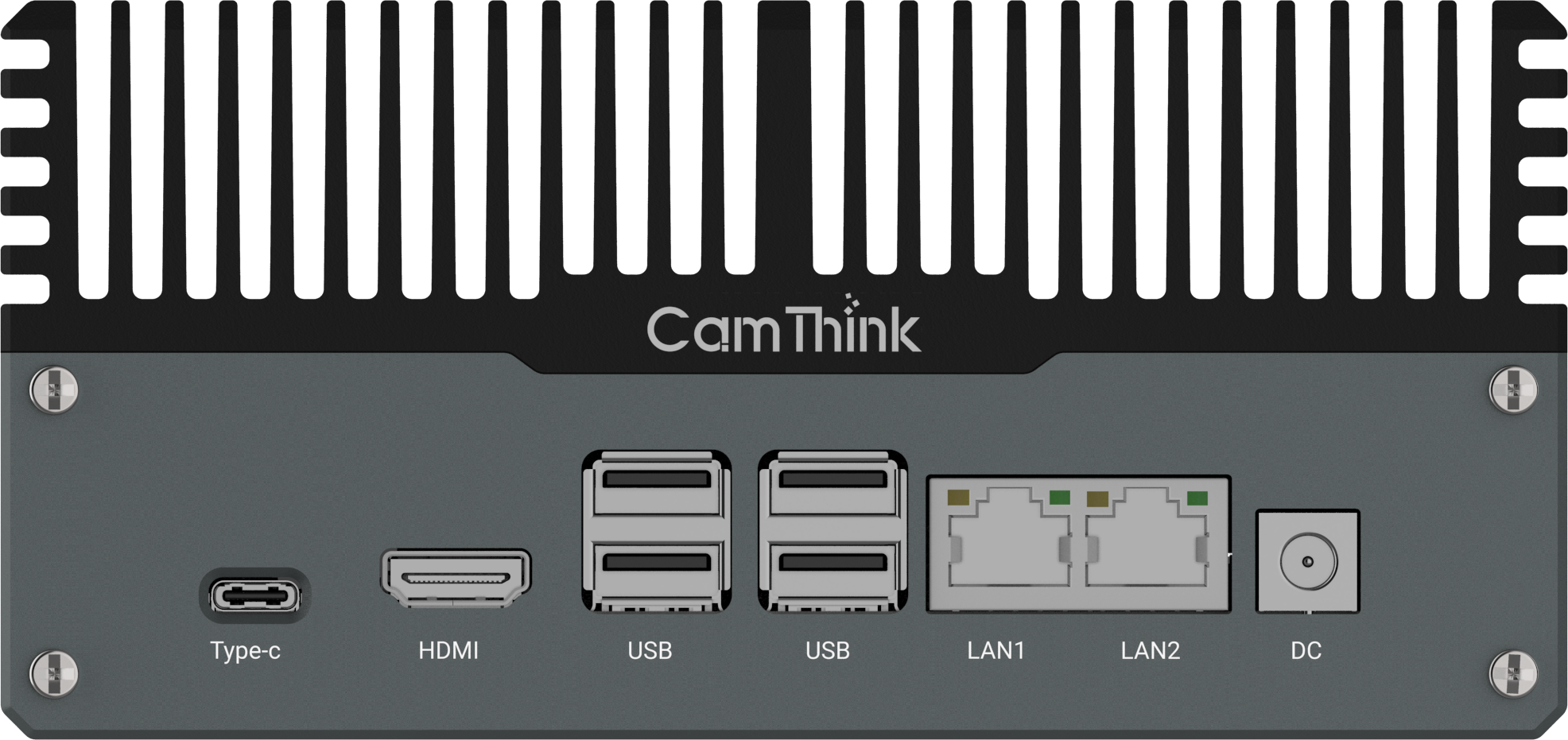
NeoEyes NE503 combines 4K imaging, 20 TOPS edge AI processing and a containerized application platform in one programmable camera. Solution providers can deploy custom models and application logic close to the image source, then deliver the result as video, structured data or a physical action.
This guide shows how NE503 connects to VMS, IoT and cloud platforms, business applications and field equipment through RTSP, Event Bus, REST API, Python SDK, Alarm I/O and RS-485.
From Camera Input to System Action
NE503 adds a programmable vision layer to the systems that manage recording, operations and business workflows. One detection can support three connected outputs.
The video layer sends RTSP streams to a VMS or monitoring client for live view, recording and evidence review. The event layer turns inference results into structured messages that on-device applications can process and forward to external platforms. The action layer uses software services, Alarm I/O or RS-485 to connect a visual decision with equipment at the site.
These paths can work together. A VMS records the stream, an IoT platform receives the event, a business system creates the workflow and a local output triggers an immediate response.
How NE503 Connects to Your System
Start with the job the receiving system needs to perform, then use the matching NE503 connection path.
| Your Task | NE503 Connection | What It Enables |
|---|
| Connect to a VMS | RTSP | Live view, recording and video review in the existing surveillance workflow. |
| Send AI events to a backend | Event Bus with MQTT or REST forwarding | Structured detections for IoT, cloud and business systems. A container application can forward on-device events to the customer platform. |
| Connect on-device applications | Event Bus | Local event exchange between container applications, models and platform services. |
| Run custom integration logic | Container application and Python SDK | Filtering, event transformation, protocol adaptation and project-specific actions close to the camera. |
| Manage the device | REST API, SDK and aipc-cli | Application development, status access, configuration and supported camera or peripheral operations. |
| Connect field equipment | Alarm I/O and RS-485 | Relay actions, sensor input and communication with serial field equipment. |
A deployment may use several paths at once: RTSP for the VMS, an on-device application for event logic, MQTT or REST for the customer platform and Alarm OUT for a local response.
Turn AI Results into System-Ready Events
A structured event lets another system identify the device, occurrence and detected object without analyzing the video again. A useful event commonly includes an event ID, device ID, event type, timestamp, object class, confidence and bounding box when the model produces one.
This illustrative payload shows how an NE503 application can shape a detection for a downstream system:
{
  "event_id": "evt-20260713-000184",
  "event_type": "person_detected",
  "device_id": "ne503-gate-01",
  "timestamp": "2026-07-13T10:15:32.184Z",
  "objects": [{
    "class": "person",
    "confidence": 0.96,
    "bbox": [0.31, 0.18, 0.22, 0.54]
  }],
  "source": "vision-app",
  "schema_version": "1.0"
}
The Python SDK exposes event metadata such as event_id, timestamp_ns, topic, source and payload. An application can preserve that structure or translate it into the schema used by a VMS, IoT platform or business service.
Already have a target platform? Explore the NE503 connection path with CamThink.
One Platform, Multiple Integration Paths
NE503 keeps image capture, inference and application execution close together, while giving downstream systems the output they need for recording, automation and operations.

For a VMS, RTSP supplies the video path while a connector or middleware can associate structured AI events with the relevant camera and time. For an IoT or cloud platform, a container application can subscribe to the on-device Event Bus and forward compact events through MQTT or REST. For field automation, Alarm I/O and RS-485 connect application logic to local devices.
This architecture lets each team keep its own system role: NE503 handles visual computing at the edge, while the customer platform manages users, records, dashboards and business rules.
Connect Software Decisions to Local Actions
NE503 can turn an inference result into more than a message. Supported SDK and device services can connect application logic with camera functions and peripherals, while Alarm OUT can trigger local equipment and RS-485 can communicate with serial devices.
This gives solution teams a flexible pattern: process the image locally, apply project logic in a container application, send a structured result upstream and trigger a time-sensitive action at the site.
Release-specific implementation details
Use the current NE503 documentation for available API methods, SDK resources, event fields and software-version details.
NE503 is designed for algorithm vendors, system integrators and OEM teams that want to own their application logic while using production-ready camera hardware and platform services.
| What You Want to Build | How NE503 and CamThink Support It |
|---|
| Custom edge AI | Deploy Hailo models and containerized applications so inference and project logic run on the camera. |
| Platform integration | Use Event Bus, Python SDK, REST API, aipc-cli and standard video or field interfaces to connect existing systems. |
| Application evaluation | Start with product documentation and an evaluation unit, then map the model, workload and target integration path. |
| OEM or ODM solution | Work with CamThink to evaluate application integration, communication options, interfaces, enclosure and branding requirements. |
The result is a platform for building differentiated camera products and vertical solutions, rather than a camera limited to one predefined detection scenario.
FAQ
Can NE503 run our own AI model and application?
Yes. NE503 supports custom model deployment on Hailo-15H and containerized applications, allowing solution teams to keep inference and project logic on the device.
Can NE503 send video and AI events at the same time?
Yes. RTSP can provide video while Event Bus and an application bridge deliver structured events to another system.
How does NE503 connect to an MQTT platform?
An on-device container application can subscribe to Event Bus and forward selected events to the customer's MQTT broker. This makes the forwarding logic, payload and topic structure adaptable to the target platform.
Can NE503 connect to industrial equipment?
Alarm I/O and RS-485 provide field connection options, while container applications and software interfaces can implement the related application logic.
Where can developers find NE503 resources?
Begin with the NE503 documentation for the platform overview, SDK and software resources.
Bring Your Edge AI Application to NE503
Start with the outcome your product needs to deliver: the model or application, the system that receives the result and any local equipment that should respond. CamThink can help map those requirements to the NE503 model deployment, container application and integration resources.
For system integrators, algorithm companies and OEM teams, this creates a direct path from an application concept to an evaluation device and a deployable edge AI camera solution.