How NE301 Edge AI Redefines Smart Waste Management for Campuses and Offices
Efficient waste management in campuses and high-density office buildings is no longer just a cleaning task – it’s a data-driven operational challenge.In these environments, traditional methods often fail.
Relying on “fixed schedules” leads to wasted labor on empty bins, while basic ultrasonic fill-level sensors struggle with “blind spots.” For example, a single large cardboard box can trigger a false “full” alert, or a bin can appear “empty” while a blockage at the opening creates a hygiene hazard.
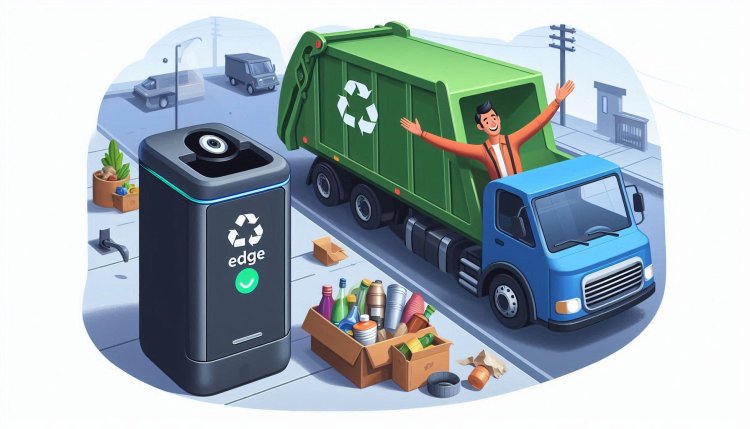
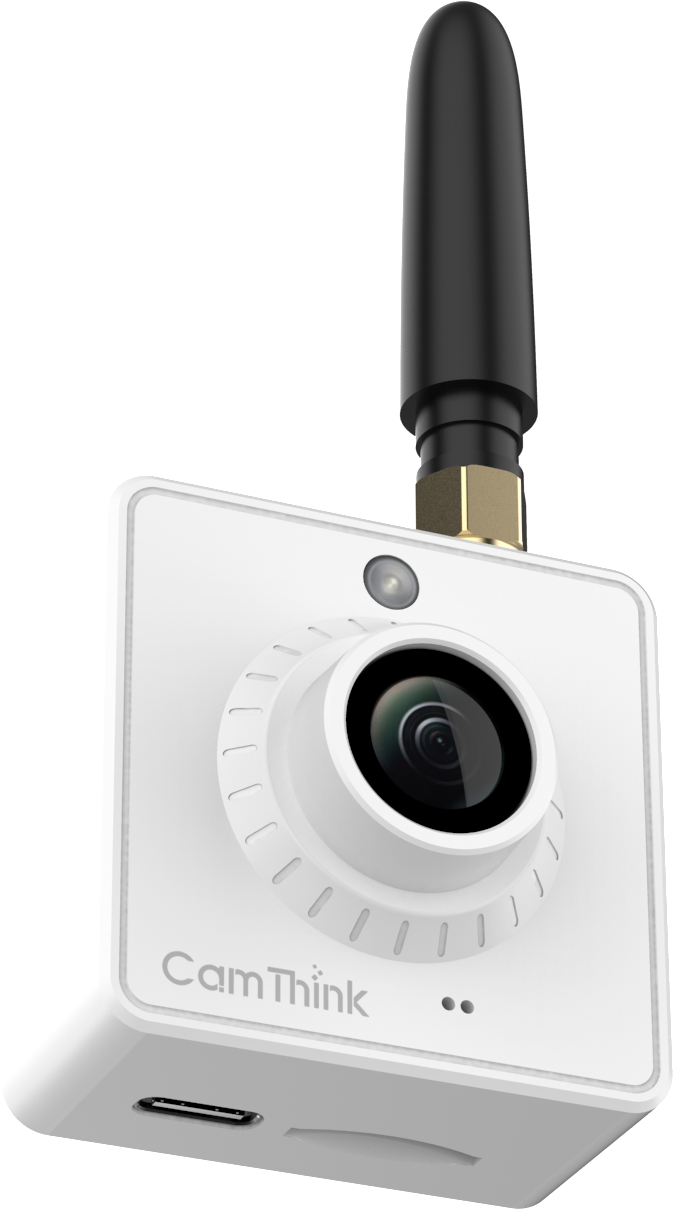
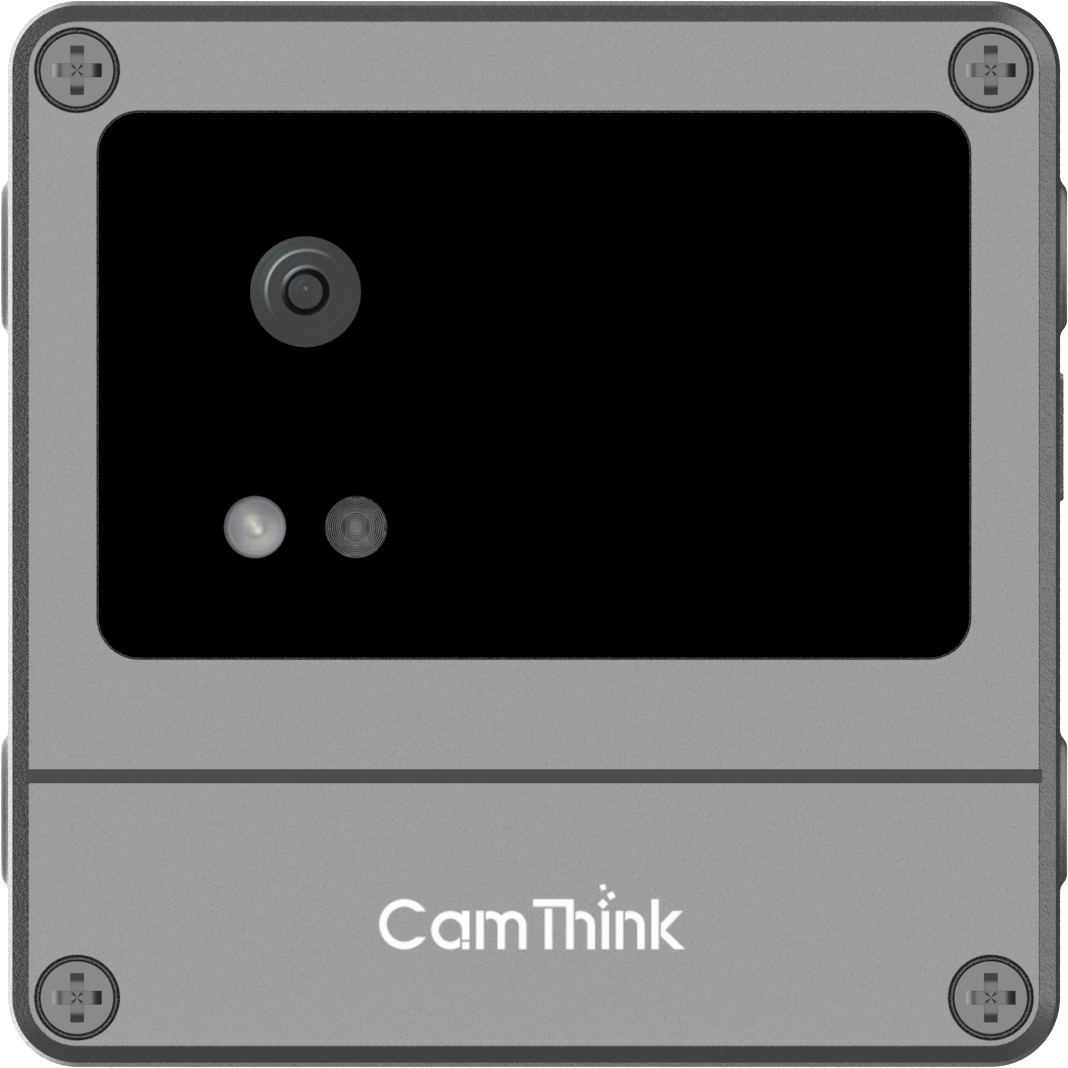
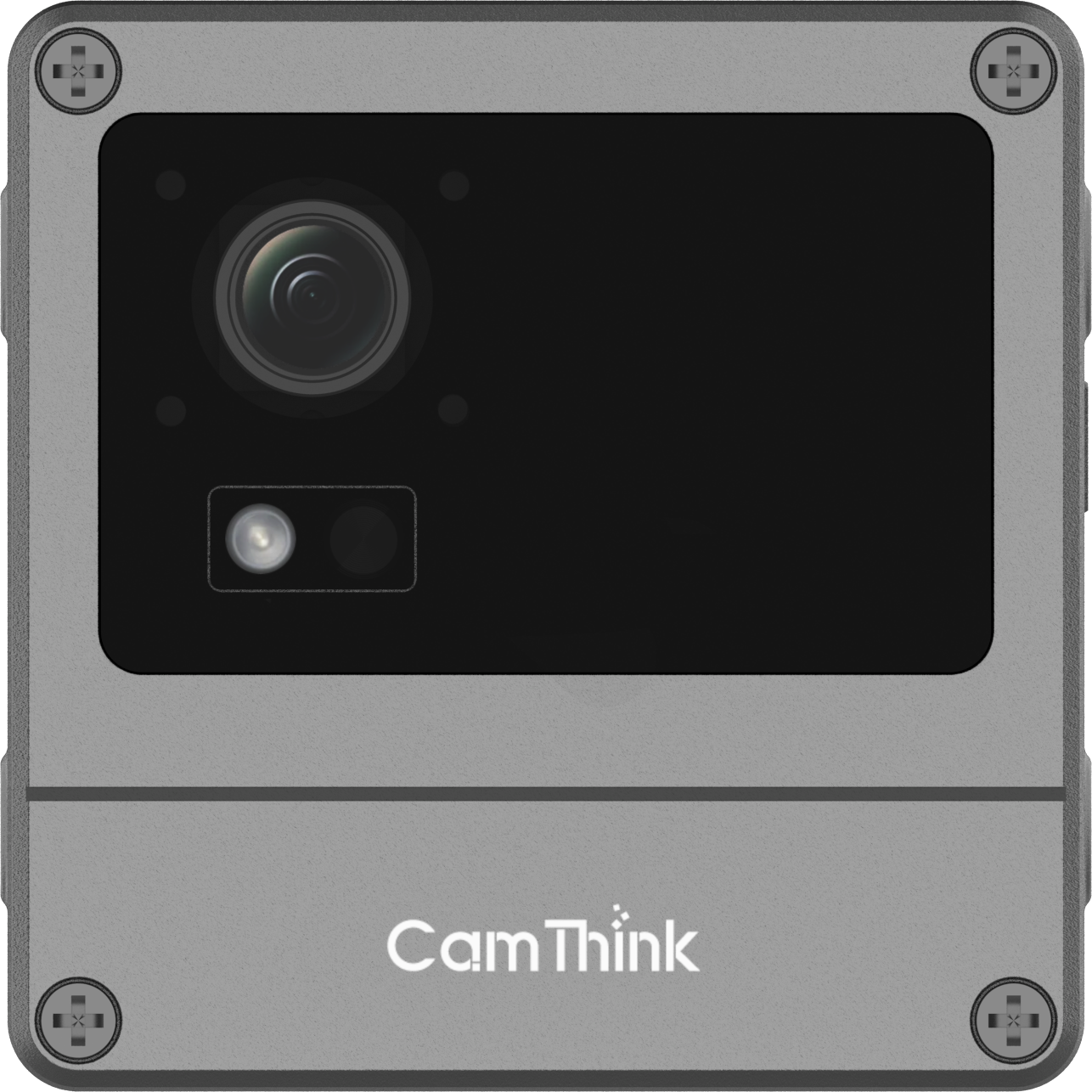
The CamThink NeoEye 301 bridges this gap by bringing visual intelligence directly to the bin. By analyzing the context of waste—not just the height—it transforms reactive cleaning into a proactive, lean strategy.
Key Takeaways
- Visual Contextual Awareness: Distinguish between actual overflow and abnormal disposal events (like bulky item blockage) using local AI.
- Demand-Driven Collection: Shift from “Static Routes” to real-time response, reducing unnecessary labor cycles by up to 50%.
- Scalable Infrastructure: Deploy low-power, LTE-enabled nodes that require zero building wiring or network overhauls.
- Open Ecosystem: Fully compatible with platforms like Home Assistant via MQTT for a unified management dashboard.
1. From Reactive to Proactive: Mitigating Operational Risks
In high-traffic zones like university food courts or corporate lobbies, waste-related risks are cumulative. A single overlooked overflow quickly escalates into pest concerns and damaged brand perception. Traditionally, these issues remain “invisible” until a physical inspection—often too late to prevent friction.
The NE301 redefines this workflow. Powered by the STM32N6 (Cortex-M55) and its dedicated Neural-ART™ NPU, the device performs all AI inference locally.
Why this matters for your facility:
- Privacy-First Monitoring: Images are processed on-device; only the “status metadata” (e.g., Full, Partial, Normal) is transmitted, ensuring compliance with institutional privacy policies.
- Zero-Latency Detection: Identify rapid accumulation as it happens. Unlike cloud-dependent cameras, the NE301 operates as an autonomous sensing node, ensuring zero latency and zero impact on your campus Wi-Fi bandwidth.
2. Demand-Driven Logistics: The Power of Dynamic Load Balancing
Waste management is fundamentally a logistics challenge. Legacy “static-schedule” models inevitably lead to operational friction: either premature collection—wasting expensive labor—or overflow-induced service gaps.
Edge-driven visual monitoring facilitates a paradigm shift to condition-driven operations. By digitizing bin-level status, facility managers can implement dynamic load balancing—identifying peak disposal cycles and reallocating resources to high-traffic zones in real time.
Furthermore, the aggregation of historical visual data enables evidence-based spatial optimization. Engineers can leverage these insights to refine bin placement and streamline collection routes, significantly reducing OpEx (Operational Expenditure).
3. Scaling Without the Infrastructure Headache
The “scalability wall” is the biggest hurdle in smart building projects. High-power cameras require complex wiring or monthly battery replacements, turning a smart solution into a maintenance burden that rarely survives the pilot phase.
The NE301 solves the “Deployment Economics” through hardware efficiency:
The “scalability wall” is the biggest hurdle in smart building projects. High-power cameras require complex wiring or monthly battery replacements, turning a smart solution into a maintenance burden that rarely survives the pilot phase.
The NE301 solves the “Deployment Economics” through hardware efficiency:
- Extended Operational Continuity: Ultra-low power consumption allows devices to operate for years on battery power, ensuring long-term stability without infrastructure overhauls.
- Network Versatility (LTE Cat.1): For outdoor campus areas or basement parking where Wi-Fi is spotty, the LTE Cat.1 module ensures reliable connectivity without laying miles of fiber.
4. Deep Dive: Why NE301 is Built for System Integration
We designed the NE301 not as a standalone gadget, but as an industrial-grade tool for professional engineers.
4.1 High-Accuracy Bin-Level Imaging
Unlike wide-area surveillance, the NE301 utilizes a dedicated close-range perspective. This eliminates occlusions and captures granular details of disposal events, significantly increasing detection accuracy compared to distant overhead cameras.
4.2 Ready for the Open Ecosystem (Home Assistant & MQTT)
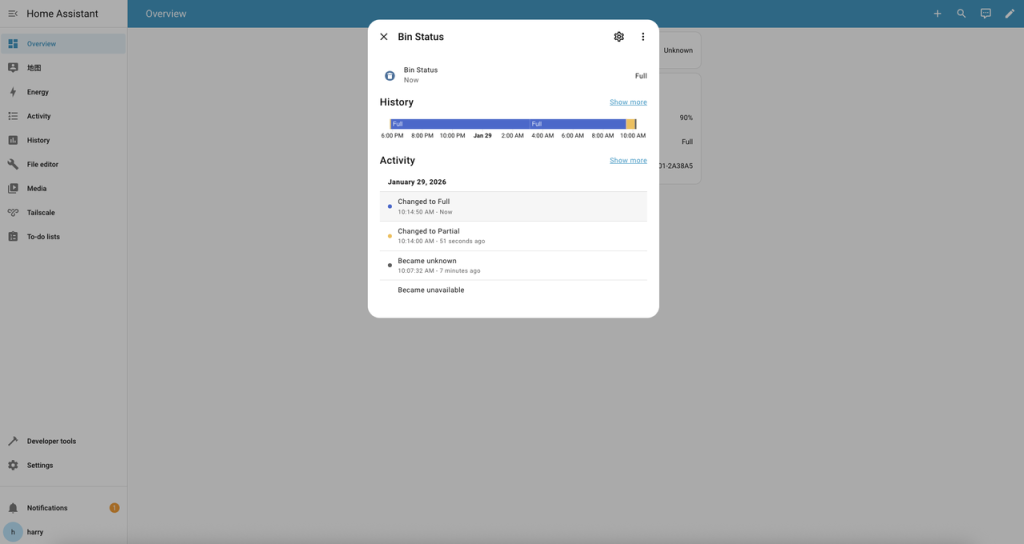
We believe in local control and privacy. The NE301 supports standard MQTT data forwarding, making it compatible with the Home Assistant platform—the central “brain” for modern smart buildings.
Case Study: Smart City Implementation In our recent developer guide, we demonstrate how to shift from “Scheduled Cleaning” to “Demand-driven” management. By editing the configuration.yaml file, you can create a real-time sensor that displays bin status and battery health side-by-side.
4.3 Developer-First Toolchain
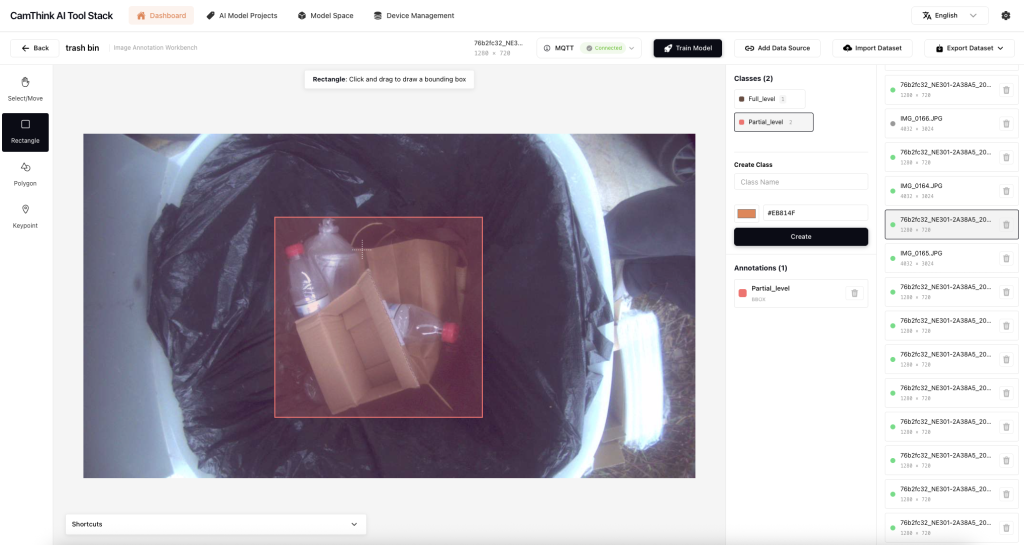
For engineers looking to customize AI logic, our CamThink AI Tool Stack covers the entire workflow: from data collection and annotation to quantization and deployment. With an IP67-rated housing and open-source Wiki support, the NE301 is built for the rigors of real-world waste environments.
5. Ready to Scale Your Smart Building Solution?
Moving from a prototype to a reliable real-world deployment requires more than just a camera; it requires a strategy.
-
$199.90 – $258.00Price range: $199.90 through $258.00
-
$35.00 – $42.00Price range: $35.00 through $42.00
-
$9.90 – $45.00Price range: $9.90 through $45.00