What “Best” Means for an MCU-Based AI Camera
The best development camera is the one that shortens the path from a model demo to a working device. The complete system must provide a usable sensor and lens, image processing, local inference, memory, storage, power control, connectivity, debugging, firmware updates, and a mechanical form that can leave the bench. A fast chip on a development board covers only part of that job.
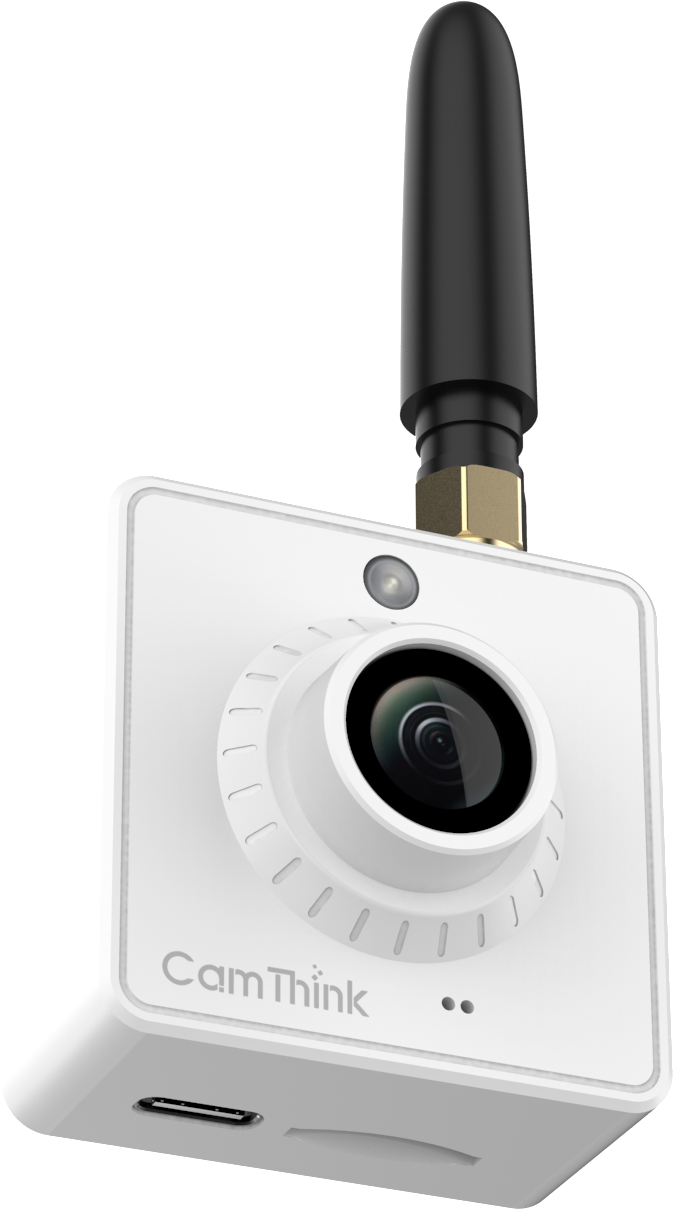
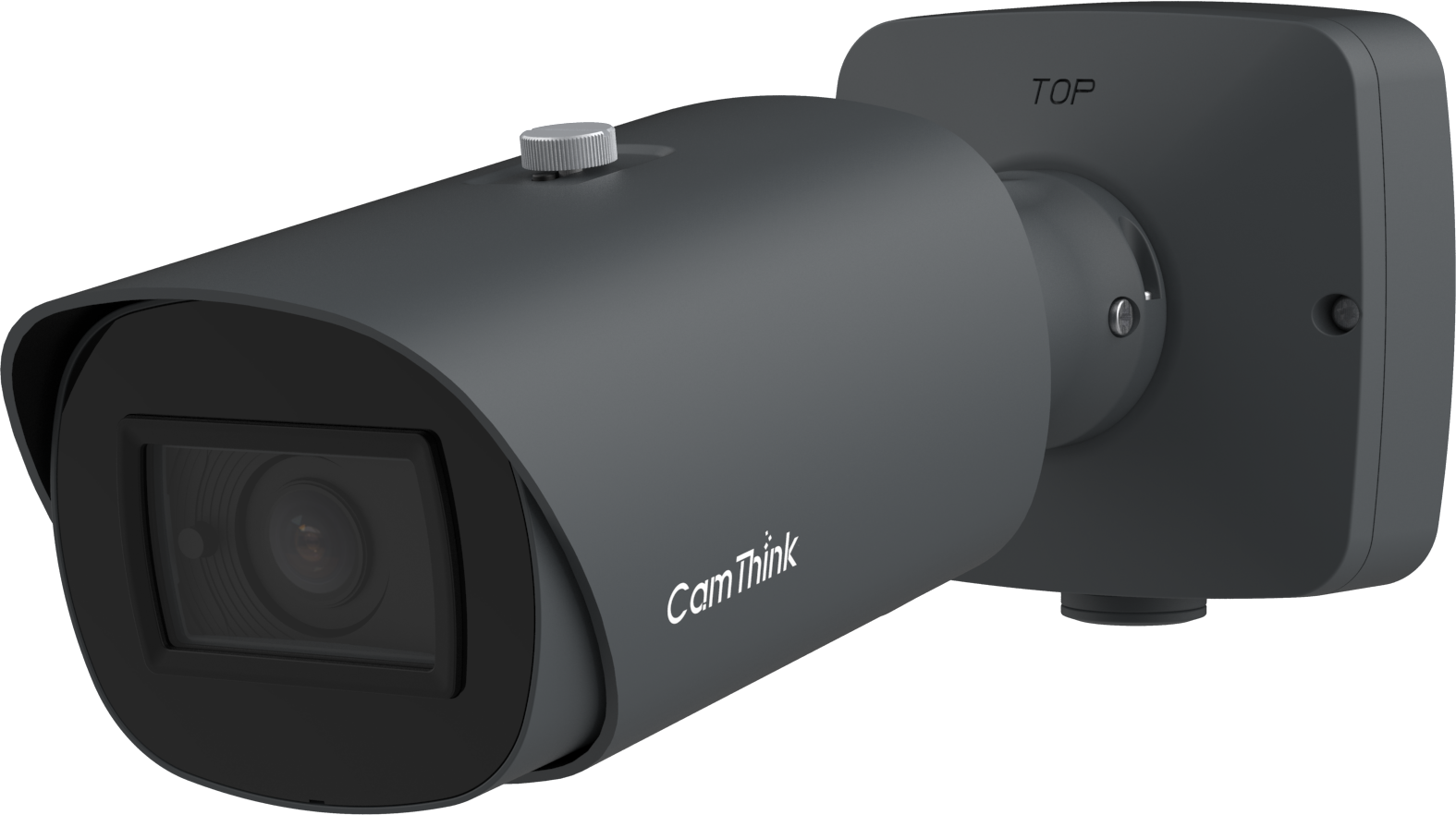
CamThink NeoEyes NE301 and NE302 are our strongest MCU-based edge AI camera platforms for development in 2026. Both build around STM32N6, whose official platform overview documents an Arm Cortex-M55 running up to 800 MHz, Neural-ART acceleration up to 600 GOPS, 4.2 MB of contiguous SRAM, camera interfaces, an ISP, hardware JPEG, and H.264 encoding. CamThink turns that silicon into complete cameras with image sensors, external memory, power and wake control, storage, wireless or wired options, Web-based validation, firmware, and documented integration paths.
This recommendation applies to compact vision models under MCU-class power, thermal, and physical constraints. A Jetson edge box remains the right choice for large models, several decoded streams, CUDA-dependent software, or applications that require a full Linux environment.
A Complete Camera Starts with an Integrated Vision Path
Many AI-capable MCUs can execute a neural network. A camera product needs more. The sensor data must enter the device, pass through exposure and pixel processing, reach the inference engine in the expected format, and then become an event, image, or video output. Every copy and software conversion consumes memory bandwidth, latency, and energy.
STM32N6 addresses that path directly. Its camera subsystem supports parallel and two-lane MIPI CSI-2 input. The integrated ISP covers operations such as bad-pixel correction, black-level adjustment, demosaicing, exposure, crop, resize, region selection, gamma processing, and pixel packing. ST documents a path in which ISP output can be delivered by DMA toward the NPU. Hardware JPEG and H.264 blocks keep common media work away from the Cortex-M55.
That architecture matters more than a synthetic inference result. If preprocessing, frame movement, and encoding fall back to the CPU, the model may benchmark well while the camera misses its end-to-end deadline. NE301 and NE302 use the STM32N6 vision path as the foundation for capture, local AI, records, and result delivery, so developers can evaluate the whole camera workflow rather than assemble a sensor and accelerator demonstration first.
Neural-ART Changes the MCU Model Envelope
The STM32N6x7 line integrates ST’s Neural-ART accelerator, specified at up to 1 GHz, 600 GOPS, and 288 multiply-accumulate operations per cycle in the STM32N6 production datasheet. ST also publishes a 3 TOPS/W accelerator-efficiency figure in its platform material. These are silicon-level capability figures, not promises for a particular model or camera application. Actual latency still depends on operators, quantization, input size, memory placement, compiler version, and the surrounding pipeline.
The important engineering change is that inference no longer has to consume the Cortex-M55’s full budget. The CPU can retain responsibility for control flow, postprocessing, communications, and product behavior while the NPU executes supported network regions. Helium vector extensions remain available for DSP and code that belongs on the CPU.
On-the-fly weight decompression and the Neural-ART streaming architecture also help manage external-memory traffic. They do not remove the need for a memory plan. We still measure compiled weights, activations, image buffers, preprocessing, postprocessing, protocol queues, and fault-path reserve together. The advantage is that STM32N6 was designed around this workload instead of treating inference as an add-on.
The 4.2 MB contiguous SRAM is large by MCU standards and useful for deterministic real-time data, but production cameras commonly need external PSRAM or Flash for model assets, image buffers, application code, and updates. STM32N6 provides high-speed external-memory interfaces with support for serial PSRAM, NOR, NAND, HyperRAM, and HyperFlash formats. Product designers can choose the external memory around the model and retention policy instead of forcing every workload into on-chip SRAM.
The multimedia blocks reduce another source of architectural sprawl. A camera may need a JPEG record for evidence, an H.264 stream for commissioning, and an inference result for automation. Keeping image processing and media encoding in the MCU can eliminate an extra processor for compact products.
Security is part of that product decision. STM32N6 includes Arm TrustZone, secure boot from ROM, key provisioning, hardware cryptography, and protected lifecycle controls. Those features do not secure a product automatically, but they provide the primitives needed to authenticate firmware and protect a deployed device. A development platform should expose a practical path from model demo to signed, updateable firmware.
A capable accelerator is difficult to use without conversion, profiling, examples, and model support. ST Edge AI Core provides the compiler path for Neural-ART, while the STM32 model zoo supplies optimized model families and deployment workflows. ST’s current model-zoo material covers more than 140 pretrained models across computer vision, audio, and time-series tasks, including detection, classification, pose estimation, segmentation, depth, and re-identification.
Model-zoo size is not the reason to approve a design. The practical benefit is a supported starting point for quantization, retraining, profiling, code generation, and target integration. A team can begin with a known STM32N6 workflow, then introduce its own dataset and model while retaining a reference build for comparison.
The toolchain still requires release discipline. Save the source model, opset, calibration set, preprocessing, compiler version, target description, generated package, firmware, and package hashes. Compare source and converted outputs on the same controlled set. A successful compile proves compatibility with the compiler; it does not prove that quantization preserved the application result.
A microcontroller alone does not provide optics, sensor integration, power control, storage, radio choices, enclosure, model packaging, or device management. CamThink NeoEyes NE301 and NE302 package STM32N6 into two camera platforms so teams can validate the complete vision path before committing to custom hardware.
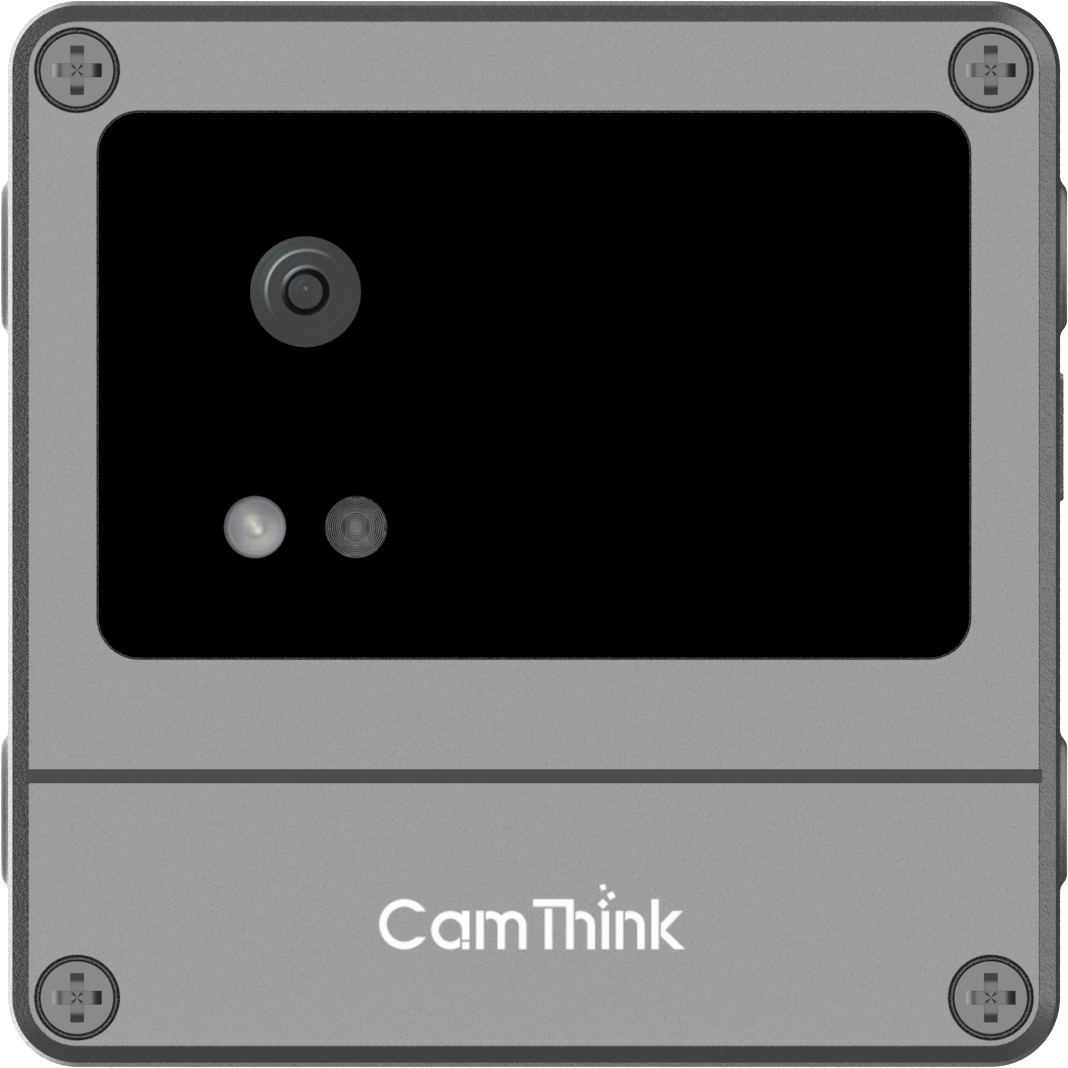
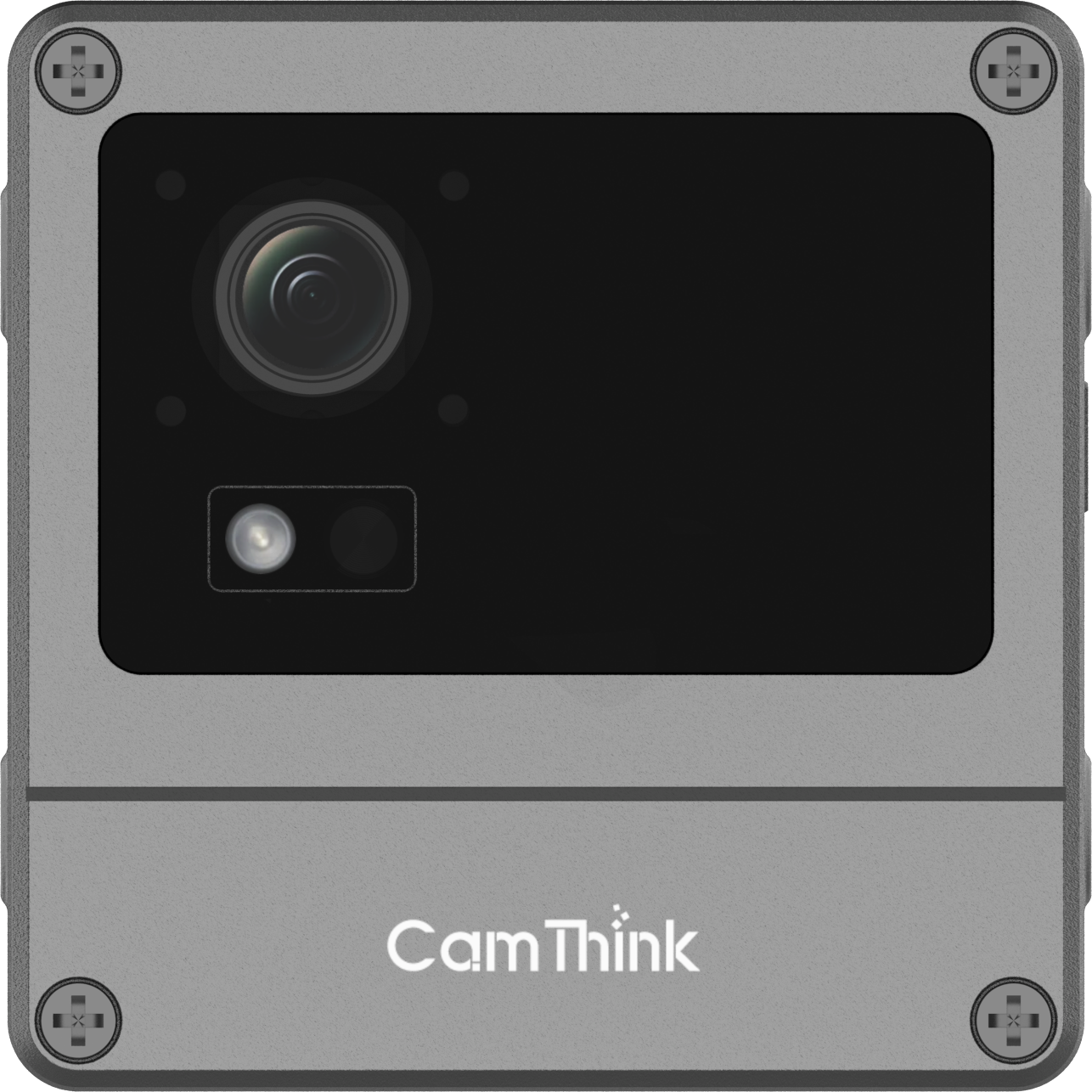
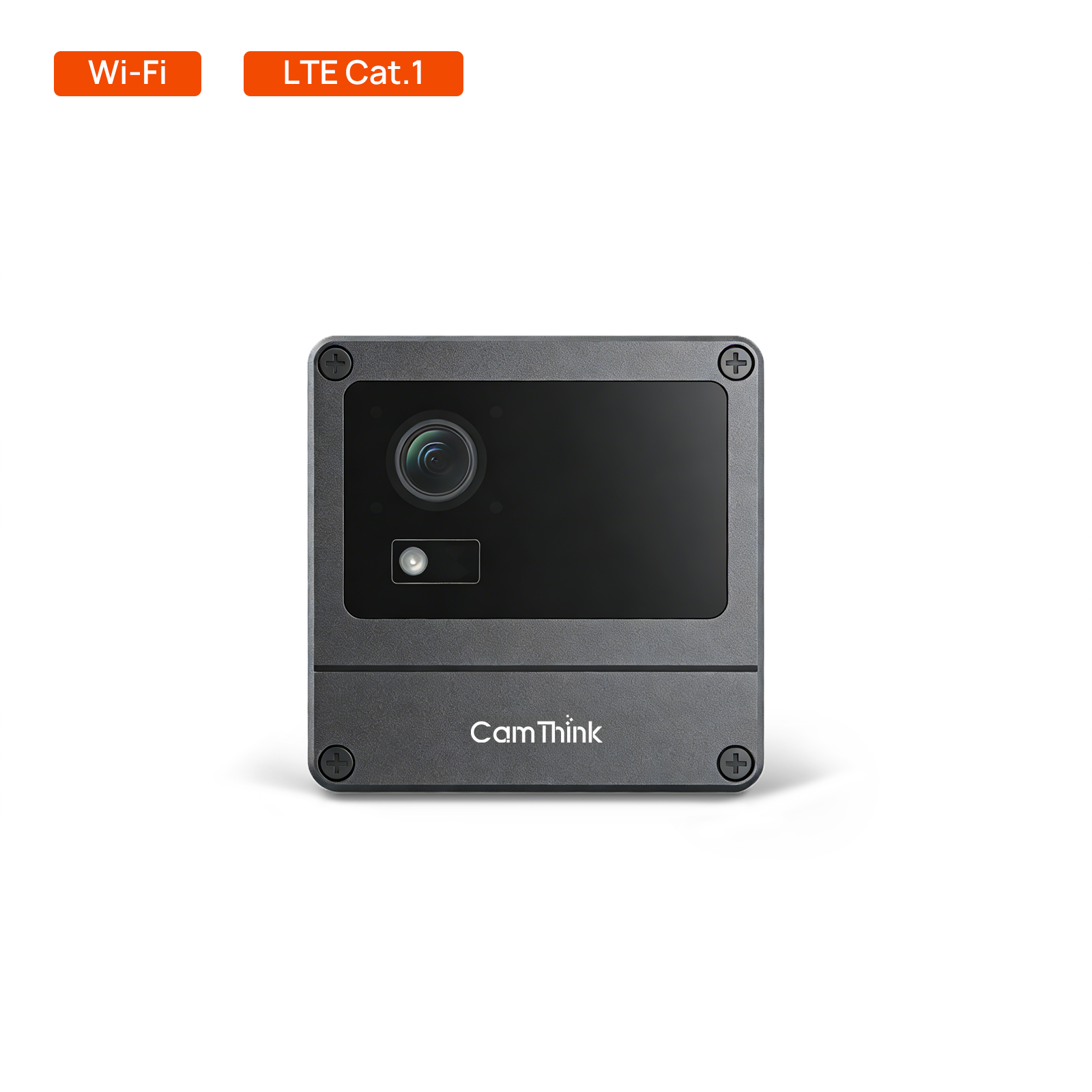
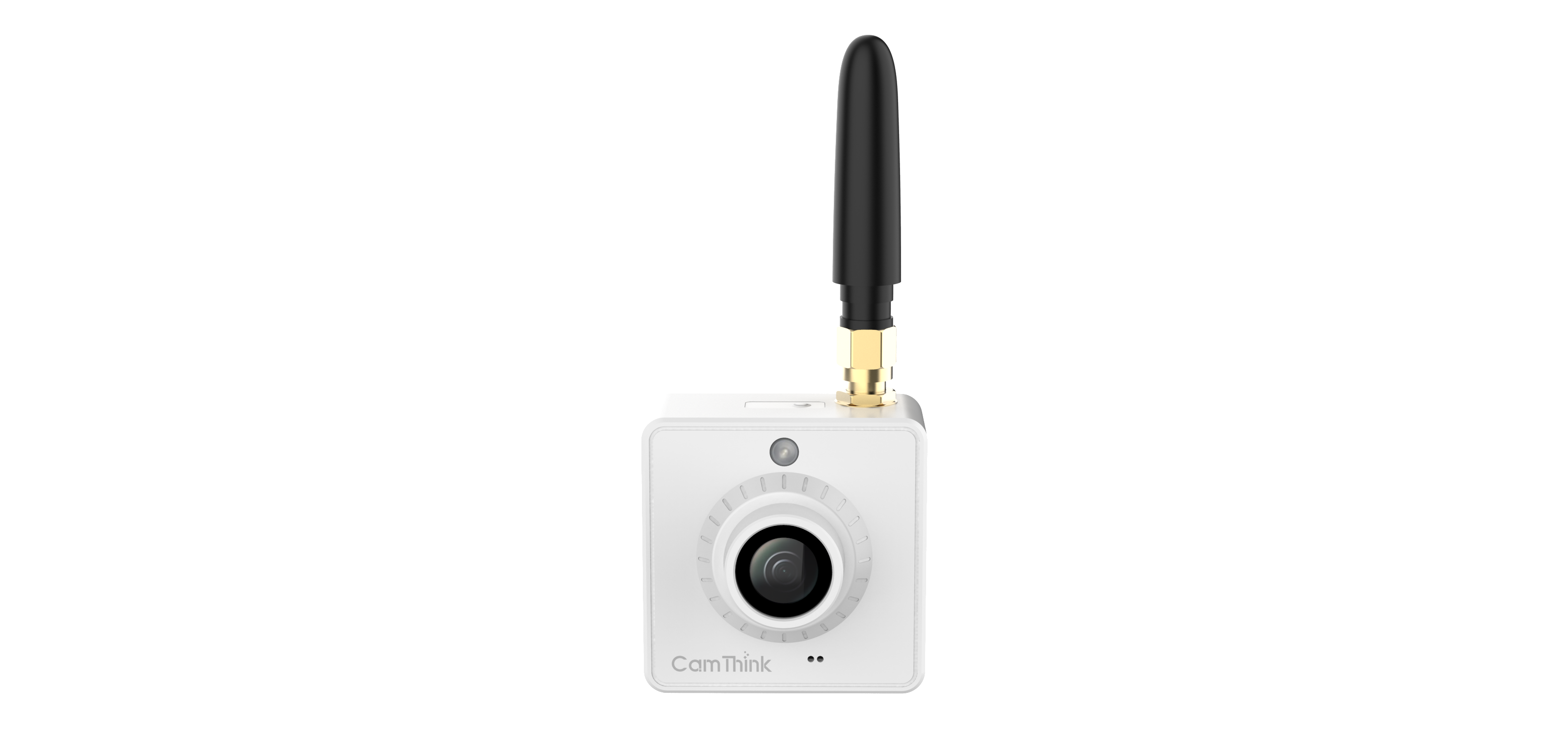
NE301 applies STM32N6 to a field camera with a larger external-memory configuration and options for battery, LTE Cat.1, or PoE deployments. NE302 uses STM32N6 in a compact indoor vision node with a 38 × 38 mm Main Board, a two-board development configuration, USB-C power, local storage, and Wi-Fi or Wi-Fi HaLow variants. Both expose model-validation workflows, but packages and firmware must match the target device.
The camera is the product developers evaluate; STM32N6 is the technical engine inside it. NE301 and NE302 remove early work around sensor bring-up, external memory, power sequencing, storage, connectivity, device access, and packaging, while preserving room for custom models and firmware. For a detailed decision between the two camera forms, see the NE101, NE301, and NE302 camera selection guide.
Where an MCU-Based Camera Is Not the Best Choice
STM32N6 is a strong MCU vision platform, not a replacement for every edge computer. Move up a compute tier when the accepted workload needs unsupported operators, a model that cannot fit with adequate memory reserve, several decoded streams, GPU-specific libraries, or application services that assume Linux. Move down to a simpler capture node when images already flow to an existing gateway and local inference adds no operational value.
Continuous video also needs careful definition. STM32N6 includes hardware H.264 encoding, but encoding a stream and running a complete multi-object analytics system are different workloads. Tracking history, multiple models, database services, dashboards, and several cameras can shift the architecture toward a Linux camera or edge box even when one model fits the NPU.
This boundary strengthens the camera recommendation. NE301 and NE302 fit products that need a self-contained MCU vision path; they should not be selected to imitate a GPU system at reduced scale.
How We Qualify an STM32N6 Camera
A professional evaluation ends with measured gates. The following record separates silicon capability from application evidence.
| Gate | Required evidence | Failure signal |
|---|
| Model conversion | Source and compiled outputs compared on a controlled dataset | Unsupported operator, class mismatch, coordinate shift, or unacceptable quantization loss |
| Peak memory | Weights, activations, image buffers, application, queues, and fault reserve measured together | Allocation failure, buffer overwrite, leak, or no release headroom |
| End-to-end latency | Median and P95 from capture event to usable output, with power mode and sample count | Pipeline deadline missed despite acceptable model-only time |
| Power or thermal | Energy per completed event, or sustained temperature and peak supply demand | Retry energy breaks battery budget or enclosure causes throttling |
| System recovery | Network, storage, process, reboot, update, and rollback tests | Lost records, duplicate events, manual recovery, or failed rollback |
Approve the platform when the converted model preserves required behavior, the complete application retains memory margin, P95 latency meets the real deadline, power or thermal results fit the installation, and recovery is repeatable. This is where STM32N6 earns the recommendation: it provides the compute and camera architecture to pass those gates within an MCU product, while still giving the engineering team control over the final implementation.
The Best Development Camera Is the One That Can Ship
NeoEyes NE301 and NE302 are our best MCU-based edge AI cameras for development in 2026 because they combine the parts developers otherwise have to integrate themselves: STM32N6 compute, local neural acceleration, a working image path, external memory, storage, power and wake control, connectivity, device management, firmware, documentation, and enclosure or board-level integration choices.
The recommendation remains conditional on the application fitting the MCU envelope. Validate the real model, optics, memory, latency, power, interfaces, and recovery on the target camera. When those gates pass, the complete NeoEyes platform provides a credible path from a vision-AI prototype to a compact product. If your release candidate exposes a model, memory, power, or integration gap, send CamThink the model and acceptance thresholds for an NE301 or NE302 configuration review.