
No products in the cart.
Zone Intrusion Detection Cameras System Guide: choosing the right Edge AI path
A zone intrusion project can be remote and solar powered, fixed and PoE based, or built around existing CCTV streams. This guide maps those deployment models to CamThink’s product family: NE301 for low-power event-triggered sites, NE503 for fixed AI IPC zones, NG4500 for multi-camera edge analysis, and an integration path when standard hardware is close but not enough.
The security operations problem: too many cameras, not enough usable alarms
Most security teams already have cameras. The harder problem is turning a restricted-area event into something the team can act on. A recording camera helps after the incident. A basic motion rule often sends shadows, headlights, staff movement, wind, guards, and weather into the same queue as a real intrusion.
A useful zone intrusion system gives the team a cleaner event: what entered, which zone it crossed, when it happened, what evidence is attached, and where the alarm should go. That destination may be a cloud alarm platform, a VMS, a local relay, a guard review screen, or a self-hosted system.
Where CamThink fits
CamThink should not replace the site’s security operation. CamThink helps the device produce a cleaner edge event before that event reaches the alarm platform, VMS, local I/O, or operator workflow already in place.
One scenario, three deployment models
Zone intrusion should start with deployment model, not with a single product name. The same security outcome can require very different hardware depending on power, network, camera count, existing CCTV, and evidence requirements.
| Deployment model | Typical site | CamThink path | Why it fits |
|---|---|---|---|
| Remote, low-power, event-triggered | Vacant lots, temporary security, farms, construction areas, off-grid perimeter points. | NeoEyes NE301 | PIR or radar wake-up, low-power capture, solar or battery deployment, Cat-1/Wi-Fi/PoE options, MQTT/MQTTS event reporting. |
| Fixed point, PoE, evidence first | Warehouses, gates, loading bays, campus entrances, industrial restricted areas. | NeoEyes NE503 | 4K video evidence, local AI applications, Alarm I/O, RTSP/MQTT/Event Bus/REST, RS-485, PoE, and privacy masking. |
| Existing CCTV or VMS, multi-camera analysis | Sites with installed IP cameras, several RTSP streams, a VMS workflow, or centralized review. | NeoEdge NG4500 | Jetson Orin compute, DeepStream, larger models, dual Gigabit Ethernet, industrial I/O, and multi-stream edge analysis. |
This distinction saves time in early scoping. A project team can narrow the hardware path by asking whether the site is power constrained, evidence driven, or built around cameras that are already installed. NE503 is a strong path for fixed AI IPC deployments, but it is not the only answer.
Start from the site model
Tell CamThink whether the zone is remote and power constrained, fixed with PoE and evidence requirements, or based on existing CCTV streams.
Path 1: remote, low-power, and event-triggered
NE301 fits projects where the camera is a field device, not a fixed network camera with easy power. The site team may care more about wake-up logic, solar sizing, cellular reporting, mounting, and maintenance visits than continuous 4K video.
In this model, the device can sleep, wake on PIR, radar, I/O, schedule, or remote MQTT trigger, capture the scene, run local AI, and report a structured event. That approach is useful when the site cannot justify continuous streaming or when bandwidth should be reserved for real events.
Product path
NeoEyes NE301
AI compute
STM32N6, 0.6 TOPS
Trigger model
PIR, radar, I/O, schedule, MQTT
Power fit
AA battery, external power, solar kit
Network fit
Wi-Fi, Cat-1, PoE options
Event output
MQTT/MQTTS JSON reports
NE301 should be evaluated with realistic trigger frequency. Solar can support higher-frequency capture than a simple AA battery plan, but the final power model still depends on how often the site wakes, captures, transmits, and updates.
Path 2: fixed PoE zones with local AI and video evidence
NE503 fits fixed points where the security team wants a camera to act like an edge AI endpoint. The site has PoE or DC power, a defined field of view, a zone that matters, and a need for local inference plus usable video evidence.
This is the path for 4K evidence, local AI applications, and direct integration into alarm or video systems. NE503 combines Hailo-15H 20 TOPS INT8 compute, Sony IMX678 4K imaging, containerized applications, Web console access, RTSP streaming, MQTT/Event Bus output, REST API, Alarm IN/OUT, and RS-485.
Fixed AI IPC event path
4K sceneFixed field of view for gate, bay, perimeter, aisle, or restricted zone.
NE503 local AIOn-camera application classifies target and zone event before handoff.
EvidenceSnapshot, clip, RTSP stream, or locally retained video depending on workflow.
InterfacesAlarm I/O, RTSP, MQTT, Event Bus, REST API, RS-485.
Response systemAlarm platform, VMS, siren, access control, or operator queue.
NE503 also matters when privacy and evidence must be balanced. On NE503 deployments, Dynamic Privacy Mask can pixelate irrelevant pedestrian faces before footage is forwarded to a monitoring center. It gives the project a camera-level privacy control, while retention rules, user access, signage, and legal requirements remain with the organization.
Path 3: existing CCTV, VMS, and multi-camera analysis
NG4500 fits a different project: a site already has cameras, cable runs, viewing habits, and often a VMS. Replacing every camera with an AI IPC may be slower or more expensive than adding an edge compute node beside the existing video system.
In this model, NG4500 can ingest IP camera streams, run heavier models, use NVIDIA JetPack 6.0+, CUDA, TensorRT, and DeepStream, and send events into the existing software stack. Standard NG4500 configurations cover 20 to 100 TOPS, while Super mode configurations are listed at 34 to 157 TOPS INT8 depending on module and mode. Some model configurations support up to 16 video streams.
Product path
NeoEdge NG4500
Compute family
Jetson Orin Nano/NX
Software stack
JetPack, CUDA, TensorRT, DeepStream
Video fit
Existing RTSP cameras and VMS-adjacent workflows
Network and I/O
Dual Gigabit Ethernet, DI/DO, RS232, RS485, CAN
Expansion
Optional 4G, 5G, Wi-Fi modules
NG4500 is usually the right starting point when the project requires several cameras, larger models, existing CCTV, or centralized analysis. It is less about one smart camera and more about adding edge intelligence to a camera estate the site already has.
When a standard platform is close, but the field device needs to be more integrated
Some projects start close to a standard CamThink platform, then run into field constraints. The site may need camera, edge compute, cellular, sensors, alarm I/O, antenna placement, and enclosure design to work as one field device instead of several boxes tied together with custom cabling.
When that happens, the next step is an integration or custom device discussion. The details should be scoped project by project, because the right design depends on site type, expected volume, carrier region, enclosure requirements, software ownership, and maintenance model. The point is not to force NE301, NE503, or NG4500 into the wrong deployment model. It is to use the closest standard platform as a starting point, then decide whether a more integrated device path makes sense.
Device-side role
camera or edge-node hardware, local AI runtime, event output, and standard interfaces. The site owner or system operator still controls alarm policy, dispatch, user permissions, evidence retention, and compliance procedures.
Privacy and evidence should be designed together
Privacy is part of project risk. A restricted zone can sit near employees, visitors, guards, contractors, drivers, or public walkways. The security team may need evidence for a real intrusion without sending every non-target person to a cloud review queue.
Edge AI helps because the device can decide locally what needs to leave the site. NE301 projects may send compact MQTT events and snapshots only when triggered. NE503 projects can combine local AI, evidence capture, and Dynamic Privacy Mask. NG4500 projects can keep analysis closer to existing CCTV or VMS infrastructure when multi-camera video should stay on premises.
None of those device-side controls is a compliance guarantee. Retention period, operator access, signage, audit trail, and regional law still belong to the organization and its system owner.
Illustrative privacy-aware event
{
  "event_type": "zone_intrusion",
  "site_id": "yard-west",
  "device_id": "camera-07",
  "zone_id": "restricted_loading_bay",
  "object_class": "person",
  "confidence": 0.91,
  "timestamp": "2026-07-07T10:23:41Z",
  "evidence": {
    "snapshot": "privacy_masked",
    "video": "retained_on_local_vms"
  },
  "action": "alarm_out_and_mqtt"
}
False alarm reduction is a workflow, not a model checkbox
A model can detect a person. It cannot know by itself whether the person is a cleaner, guard, driver, trespasser, or employee inside an allowed time window. That context comes from the workflow around the detection.
Better projects combine trigger quality, zone geometry, schedule, target class, dwell time, authorization logic, and a review path for uncertain events. NE301 can wake on PIR or radar before classification. NE503 can run local inference and drive Alarm OUT, MQTT, REST, RTSP, or VMS workflows. NG4500 can correlate several camera streams where a single view is not enough.
The target is simple: fewer alarms that the security team can trust enough to act on.
Confirm the deployment path before the pilot
Zone intrusion projects rarely start from zero. The site already has restricted areas, cameras, alarm rules, operators, and often a VMS or alarm platform. The first discussion should locate the decision point: at a remote device, inside a fixed PoE AI IPC, or on an edge node connected to existing cameras.
CamThink can review that fit with the project team. Power and network conditions, camera count, viewing distance, existing CCTV or VMS ownership, required event output, evidence needs, and privacy requirements are usually enough to identify the closest path. That may be NE301 for remote low-power monitoring, NE503 for fixed PoE zones with local AI and video evidence, NG4500 for multi-camera analysis, or an integration discussion when the field device needs to be more unified.
If a pilot is needed, it should follow the fit review. The first test can stay narrow: one representative zone and a defined event route. Success should be tied to the actual workflow: fewer irrelevant alerts, faster review, clearer evidence, or a cleaner handoff to the existing alarm or VMS platform.
Conclusion
A zone intrusion project earns its value when it turns restricted-area activity into an alarm the team can use. The hardware matters, but only after the site model, response workflow, evidence need, and privacy rule are understood.
CamThink’s product family gives project teams several ways to reach that outcome. NE301 fits remote, low-power, event-triggered sites. NE503 fits fixed PoE zones that need 4K evidence, local AI, Alarm I/O, and integration interfaces. NG4500 fits existing CCTV and VMS environments that need multi-camera edge analysis. If a standard product is close but the field unit needs to be more integrated, the next step can be an integration service discussion.
FAQ
What is the first choice for remote or solar zone intrusion?
NE301 is usually the better starting point when the site is remote, power constrained, or event triggered. It supports PIR or radar wake-up, low-power capture, Cat-1/Wi-Fi/PoE options, solar deployment paths, and MQTT/MQTTS event reporting.
When does NE503 fit better than NE301?
NE503 fits fixed PoE or DC-powered zones that need 4K video evidence, always-on local AI applications, Alarm IN/OUT, RS-485, RTSP, MQTT, Event Bus, REST API, and privacy masking.
When should a project use NG4500?
NG4500 fits sites with existing IP cameras, several RTSP streams, VMS-adjacent workflows, larger models, or centralized edge analysis. It is an edge compute node rather than a single AI IPC.
Can standard hardware become a more integrated field device?
If NE301, NE503, or NG4500 is close but the project needs camera, compute, connectivity, sensors, I/O, antenna, and enclosure choices in one unit, CamThink can discuss an ODM or integration service path. The details belong in project scoping because each deployment is different.
Does CamThink replace the alarm platform or VMS?
No. CamThink provides edge AI hardware and event interfaces that can feed an existing alarm platform, VMS, local relay, or software stack. Dispatch policy, user permissions, retention, and compliance remain with the organization and its system owner.
Hardware paths for zone intrusion projects
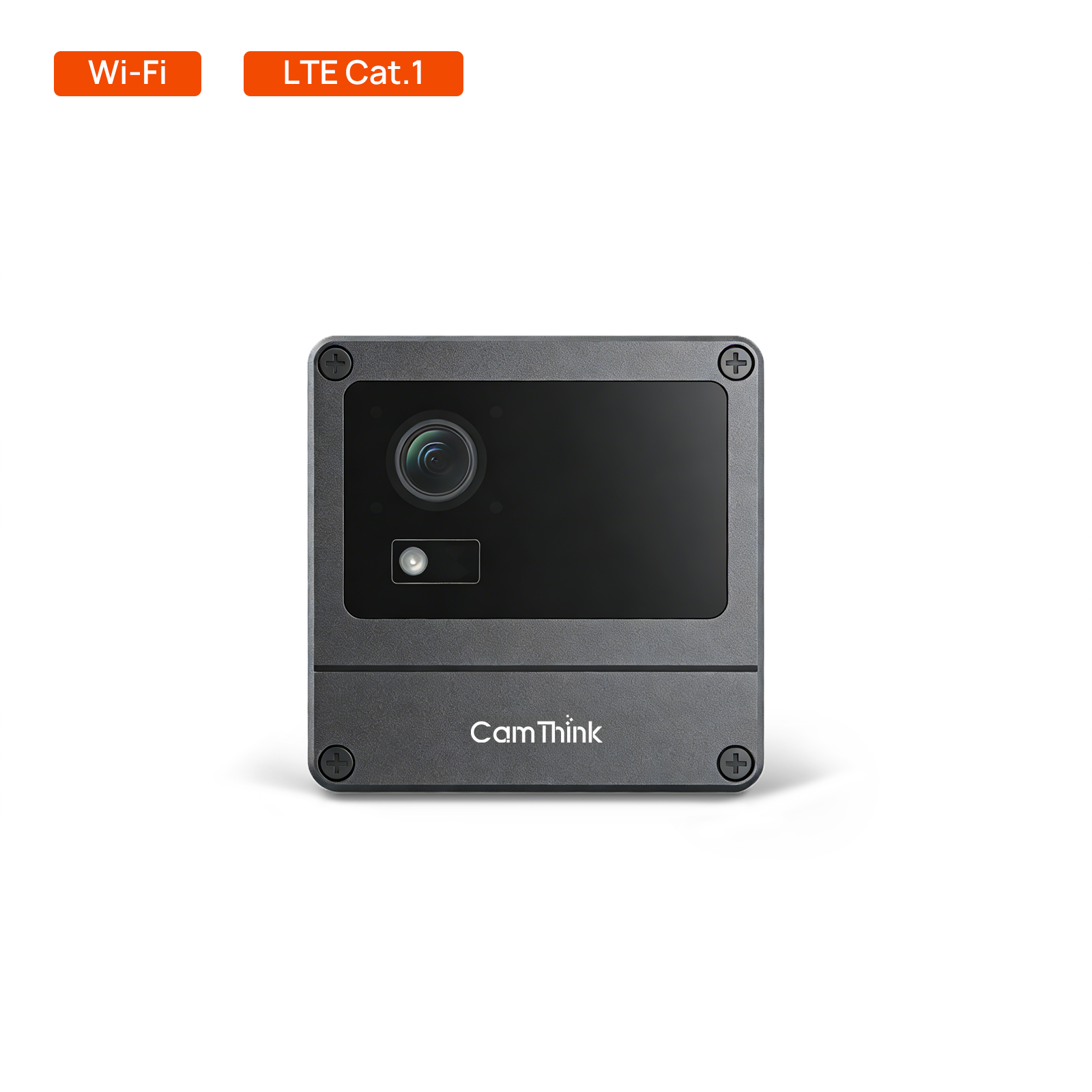
Remote low-power path
NeoEyes NE301
For solar, battery, PIR or radar wake-up, Cat-1/Wi-Fi/PoE options, and MQTT event reporting.
$199.90 – $258.00
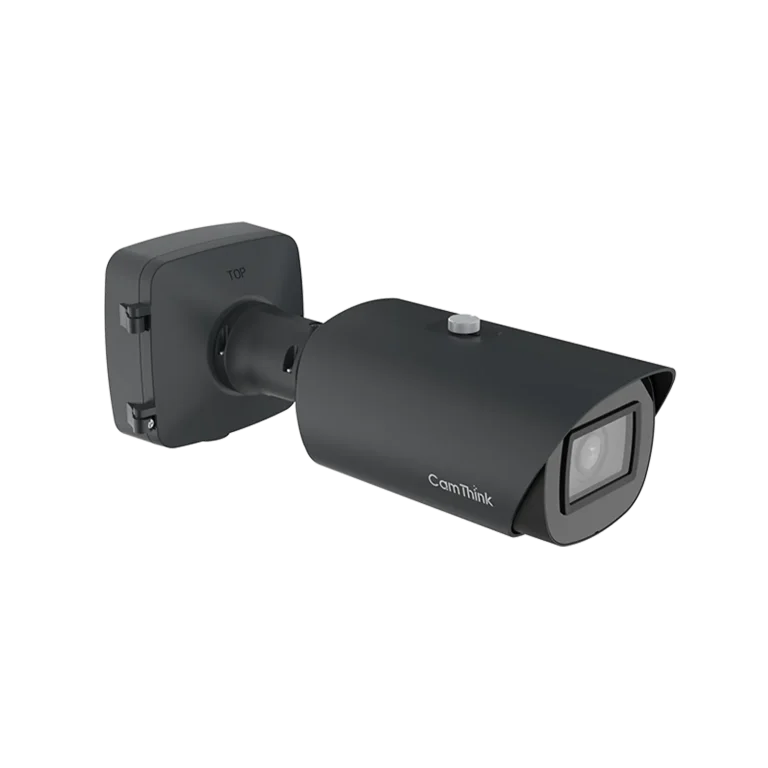
Fixed PoE AI IPC
NeoEyes NE503
For fixed zones that need 4K evidence, local AI apps, Alarm I/O, RTSP/MQTT/Event Bus/REST, and privacy masking.
Contact for Price
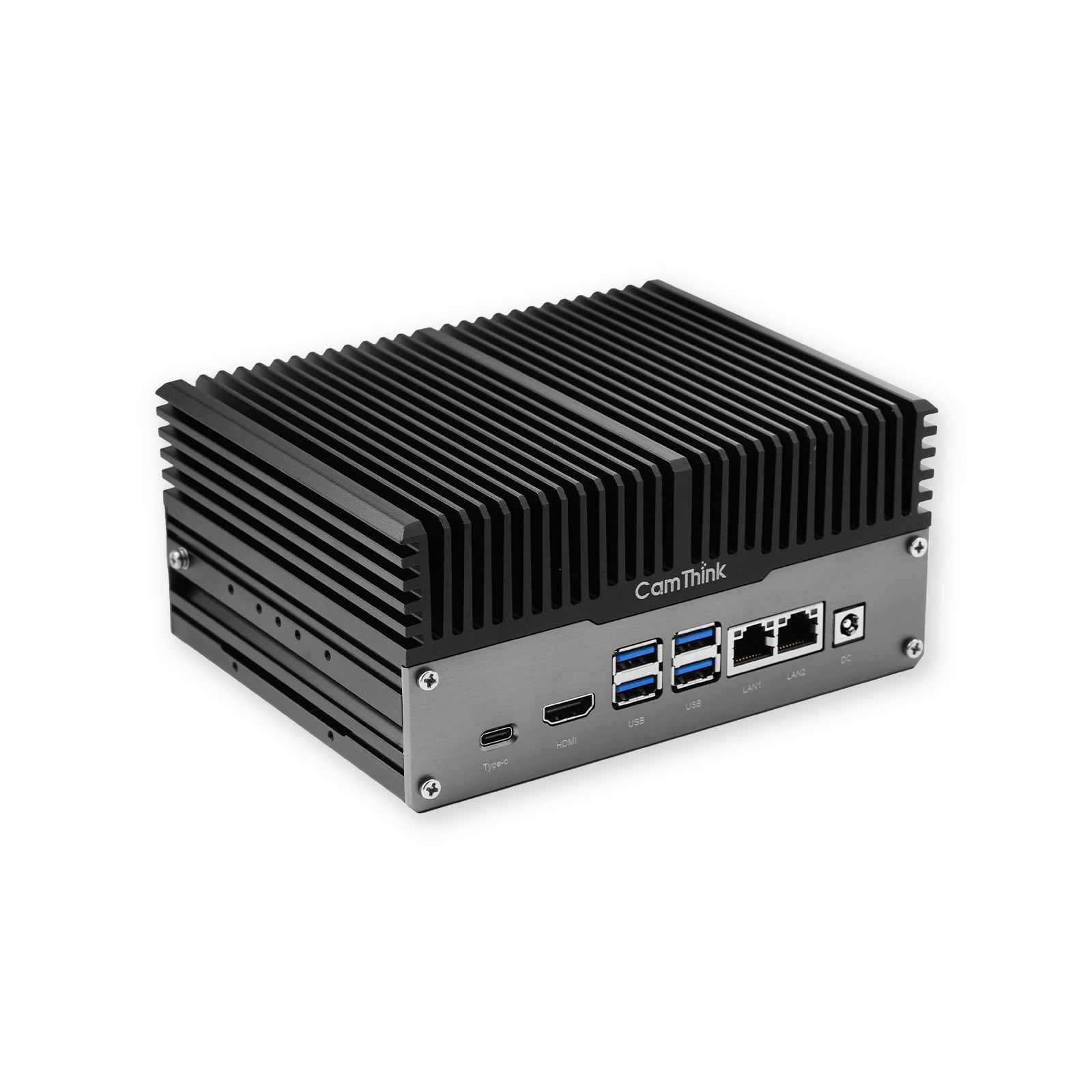
CCTV/VMS edge node
NeoEdge NG4500
For existing CCTV streams, VMS-adjacent analytics, DeepStream, larger models, and industrial I/O.
$899.00 – $1,599.00