Store

No products in the cart.

APPLICATION

Planogram Compliance with Edge AI Cameras

Learn how edge AI cameras and local edge compute can support planogram compliance systems with shelf image capture, facing-count detection, SKU position checks, structured events, and MQTT/API integration into existing retail platforms.

~15 min read
Updated May 2026
Products: NE301 · NG4500 · NeoMind
Scope of this guide

This guide is written for system integrators, retail technology platforms, AI developers, and hardware evaluators building or integrating planogram compliance systems.

It focuses on edge AI camera hardware, local inference, edge compute, structured event output, and integration architecture — not closed planogram compliance SaaS software.

What Is Planogram Compliance in Retail Shelf Monitoring?

Planogram compliance measures whether the real shelf layout matches the approved shelf plan: which SKU belongs in each bay, shelf level, slot position, and facing count.

A compliant shelf has the right products in the right positions with the expected number of visible facings. A non-compliant shelf may have wrong SKUs, missing facings, misplaced variants, empty shelf gaps, or promotional displays that do not match the reference layout.

Compared with basic out-of-stock detection, planogram compliance is more complex because the system must understand not only whether a shelf slot is empty, but also what product is present, where it appears, how many facings are visible, and how that layout compares with reference data.

Why this is a harder problem than OOS detection

Out-of-stock detection can often start with shelf-gap and fill-level logic. Planogram compliance usually requires SKU recognition, facing-count analysis, position mapping, reference planogram data, and integration with product or category management systems.

What a Computer Vision Planogram System Needs to Detect

A planogram compliance system can be built around several detection tasks. The exact model and compute architecture depend on the product category, packaging similarity, camera placement, and reference data quality.

Detection task What it checks Typical output Compute fit
Facing count Whether a SKU has the expected number of visible product facings. expected_facing, detected_facing, severity NE301 for simple counts; NG4500 for higher-resolution analysis.
SKU misplacement Whether the detected product matches the SKU expected in that slot. expected_sku, detected_sku, mismatch_flag Usually needs NG4500 or hybrid architecture for stronger classification.
Shelf gap Whether the planned shelf position is empty or below a fill threshold. shelf_gap_detected, fill_level, confidence NE301 is suitable for many first-pass OOS or gap-detection pilots.
Position deviation Whether products appear in the wrong shelf level, bay, or left-to-right order. slot_id, position_status, deviation_score NG4500 or local server recommended for layout comparison workloads.

How Edge AI Cameras Support Planogram Verification

An edge AI planogram workflow starts with stable shelf image capture and ends with structured deviation events. The goal is not simply to record images, but to turn shelf state into data that existing retail systems can act on.

1. Shelf Image Capture

A fixed edge AI camera captures shelf images from a consistent angle. Image consistency is essential because planogram checks rely on position, product appearance, and shelf-slot mapping.

2. Scene Parsing

The system separates shelf zones, rows, bays, or product slots. Depending on the deployment, this can be done with image segmentation, reference grid mapping, or application logic running on a local edge server.

3. SKU and Facing Detection

Object detection, classification, OCR, or visual matching can be used to identify products and count facings. Similar packaging, seasonal displays, and reflections increase model complexity.

4. Layout Comparison

The detected shelf state is compared against a reference planogram. This requires product master data, slot IDs, expected SKU positions, and facing-count rules.

5. Deviation Event Output

When a mismatch is detected, the system publishes a structured event through MQTT, HTTP, REST API, or local middleware. The downstream system can then create a store task, update a dashboard, or trigger a review workflow.

Why Planogram Compliance Often Needs Edge Compute

Planogram compliance often needs more compute than basic shelf-gap detection. A single camera may be sufficient for image capture or first-pass detection, but SKU recognition, position mapping, and multi-camera aggregation often benefit from a store-level edge box.

Architecture Best for Limitations CamThink role
Camera-only Image capture, simple shelf-gap detection, first-pass facing checks. Limited for complex SKU identification or high-resolution layout matching. NE301 as shelf-level edge AI camera.
Edge server Multi-camera aggregation, SKU classification, layout comparison, reporting logic. Requires local network, application software, and integration work. NG4500 as store-level edge compute.
Hybrid NE301 handles capture or first-pass detection; NG4500 handles heavier analysis. Requires system architecture planning and data flow design. NE301 + NG4500 + NeoMind for fleet/device management options.

Hardware Architecture: NE301, NG4500, or Hybrid?

CamThink hardware should be described as system building blocks, not as a closed planogram compliance SaaS platform. The right architecture depends on shelf coverage, model complexity, reference data, and integration requirements.

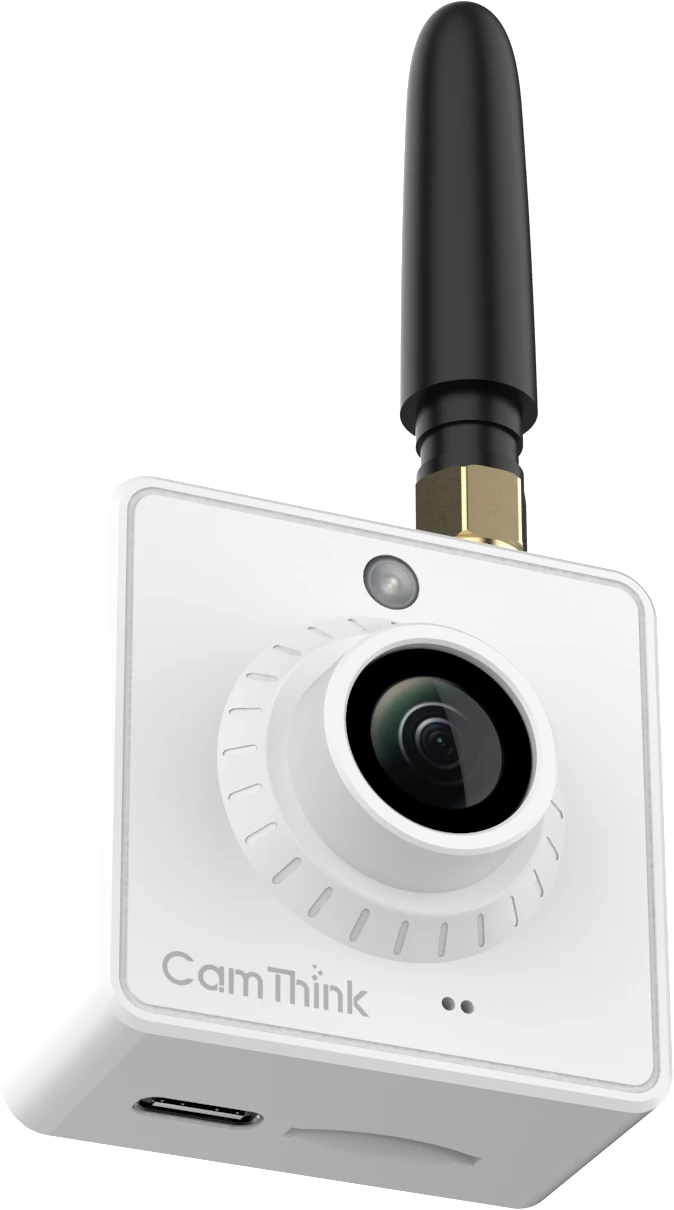
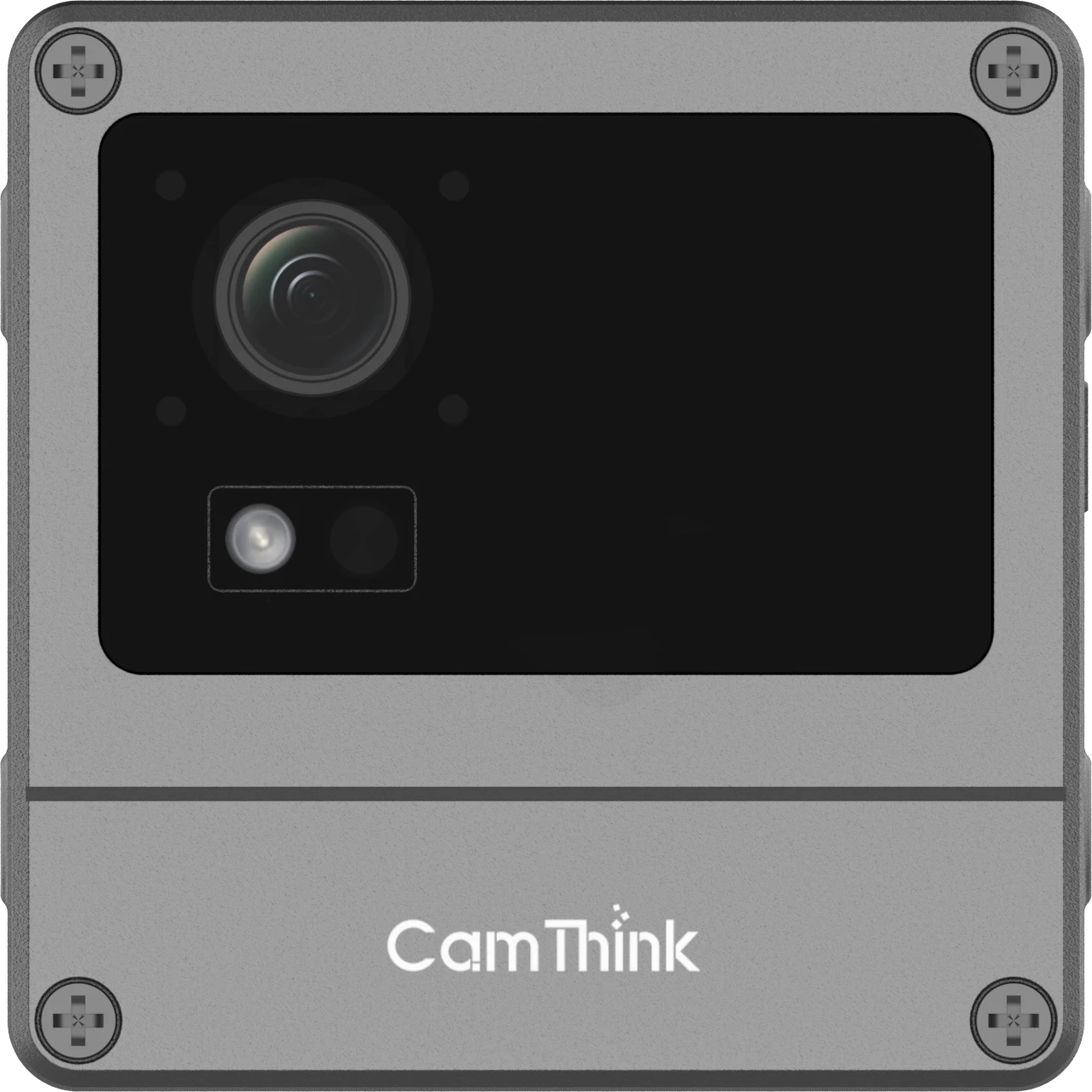
NE301Shelf-level edge AI camera

  • Captures shelf images from a fixed view.
  • Can run optimized lightweight models for first-pass detection.
  • Publishes structured events through MQTT/HTTP depending on configuration.
  • Best for PoC, shelf-gap detection, and localized image capture.

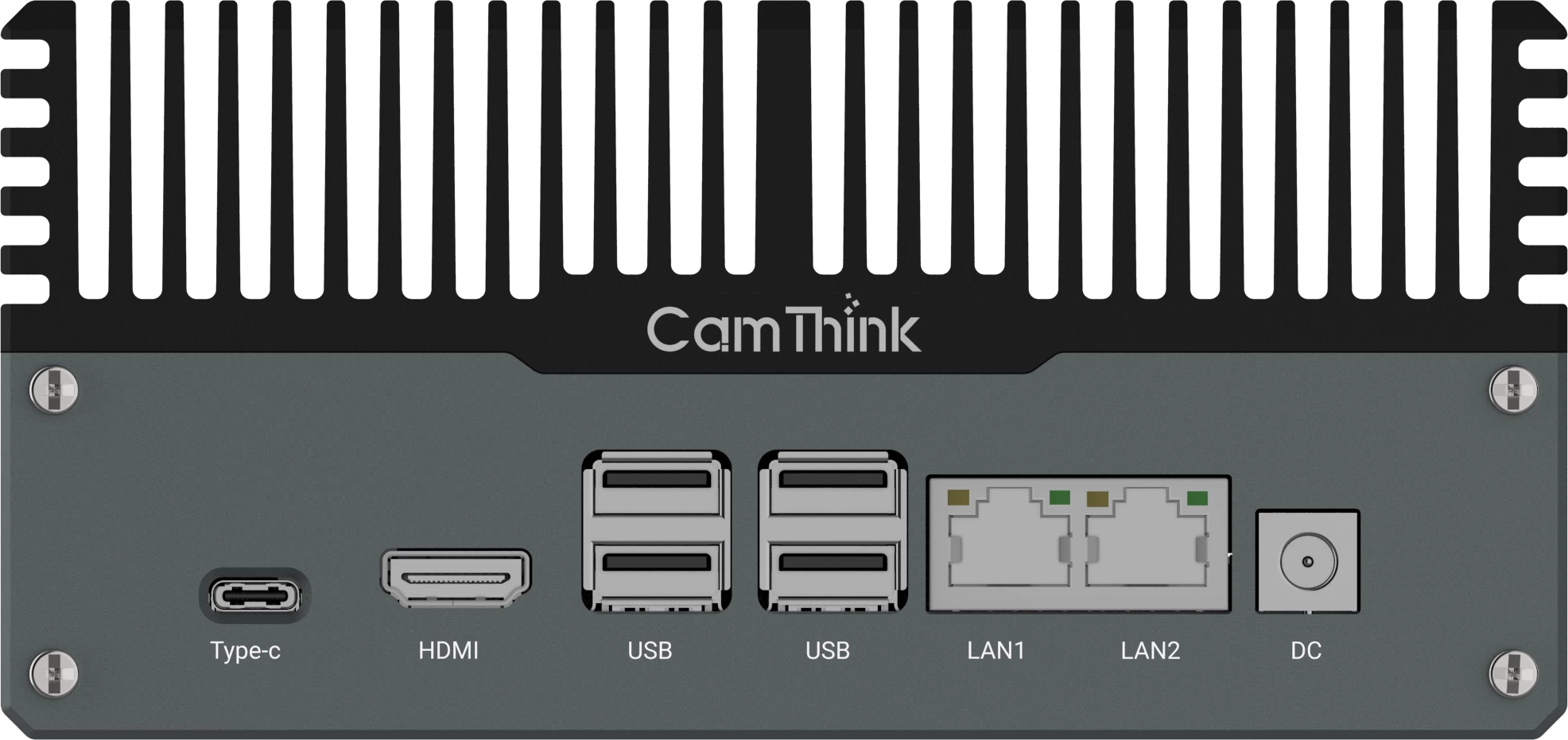
NG4500Store-level edge compute

  • Runs heavier models and multi-camera workloads.
  • Supports SKU recognition, OCR, VLM, or layout comparison applications.
  • Can act as a local aggregation and integration layer.
  • Best for complex planogram pilots and store-scale deployments.
Deployment need Suggested architecture Reason
Validate image quality and shelf framing 1–3× NE301 Start with real shelf images before investing in model or integration scope.
Basic shelf gap and facing-count pilot NE301 + local MQTT broker Suitable for first-pass events and proof-of-concept workflows.
SKU-level compliance checks NE301 cameras + NG4500 More compute and local application logic are usually required.
Multi-camera store pilot NE301 fleet + NG4500 + integration middleware Aggregates events and supports store-level analysis and downstream routing.

Data and Integration Requirements

A planogram compliance system is only reliable when visual data, reference data, and downstream workflow are designed together.

Reference Data
Planogram
Expected shelf layout
  • Slot IDs
  • Expected SKU positions
  • Facing-count rules
Visual Data
Shelf Images
Training and validation set
  • Real camera angle
  • Multiple lighting conditions
  • Correct and incorrect layouts
System Data
Events
Integration output
  • MQTT topics
  • REST payloads
  • Task routing rules

Example MQTT Event Payload

The exact schema depends on your application, but a planogram mismatch event may include shelf ID, expected SKU, detected SKU, confidence, deviation type, and optional image evidence.

JSON · planogram_mismatch event
{
  "device_id": "ne301-shelf-12",
  "store_id": "store-015",
  "shelf_id": "beverage-aisle-04",
  "slot_id": "B4-R2-S03",
  "event_type": "planogram_mismatch",
  "expected_sku": "SKU-COFFEE-250ML-A",
  "detected_sku": "SKU-COFFEE-250ML-B",
  "expected_facing": 4,
  "detected_facing": 2,
  "confidence": 0.87,
  "severity": "medium",
  "timestamp": "2026-05-12T16:24:18Z",
  "image_evidence": "local/path/or/url"
}

Camera Placement for Planogram Checks

Planogram detection depends heavily on image consistency. Camera angle, lens selection, shelf distance, and lighting often affect accuracy more than the model architecture itself.

Placement factor Why it matters Best practice
Field of view Controls how much shelf area is visible and how much detail each SKU receives. Use narrower FOV for SKU-level checks; wider FOV for coarse shelf state.
Mounting distance Affects product size in frame and label visibility. Validate with real images before training or rollout.
Lighting Packaging glare and shelf shadows can trigger false mismatches. Collect training images across expected lighting conditions.
Reference grid Layout comparison requires consistent slot mapping. Define shelf zones or slot IDs before model validation.
Packaging similarity Similar variants are harder to classify. Use higher-resolution capture or edge server analysis when variants are visually similar.

Planning a planogram compliance pilot? Start by validating shelf image quality, SKU visibility, and event output before scaling.

Pilot Workflow for System Integrators

A planogram compliance pilot should validate image quality, detection feasibility, reference data mapping, and downstream integration before estimating rollout cost or timeline.

1
Define the shelf category and compliance target

Choose whether the pilot focuses on facing count, SKU misplacement, shelf gaps, promotional display checks, or a combination.

2
Capture real shelf images

Install cameras at the intended angle and collect images across normal store lighting, restocking states, and layout variations.

3
Map planogram reference data

Connect shelf images to slot IDs, expected SKUs, facing rules, and planogram source data.

4
Train or configure the detection workflow

Use a lightweight camera model, edge server model, or hybrid workflow depending on task complexity and image detail.

5
Publish structured events

Define MQTT topics, payload fields, threshold rules, and optional image evidence for downstream systems.

6
Validate against manual review

Compare AI-generated mismatches with human review on held-out shelf images before expanding camera count.

Integration with ERP, Store Management, and Task Apps

A compliance event is useful only when it reaches the right workflow. System integrators usually need to route edge AI events into dashboards, category management tools, ERP/WMS systems, or store task apps.

Event StreamReal-time deviations

  • MQTT topics per camera, shelf, or store zone.
  • Event deduplication and severity rules.
  • Optional image evidence or local snapshot links.

Action LayerWorkflow routing

  • Create a store task for high-priority deviations.
  • Route repeated mismatch events to category managers.
  • Send summary data to dashboards or reporting tools.

Common integration targets include ERP/WMS platforms, category management systems, store associate apps, task management tools, and custom dashboards. MQTT, HTTP, REST APIs, and middleware such as Node-RED can be used depending on the customer’s existing stack.

What CamThink Provides — and What You Need to Build

CamThink provides edge AI hardware and integration building blocks. A complete planogram compliance application may still require application logic, reference data mapping, model training, and workflow integration.

CamThink can provide Your team or integration partner may need to build
NE301 edge AI cameras for shelf image capture and localized inference. SKU master data, planogram reference mapping, and slot-level rules.
NG4500 edge compute for heavier models and multi-camera workloads. Detection models trained on the target store’s shelf images and packaging.
MQTT/HTTP output and open integration paths. ERP/WMS/category-management API mapping and task workflow logic.
NeoMind options for device management and fleet visibility. Retail operations dashboard and business-specific compliance reports.
OEM/ODM and custom model support for qualified projects. Rollout playbook, installation services, and customer-specific acceptance criteria.

Common Mistakes to Avoid

Treating planogram compliance like simple OOS detection

Planogram checks require reference data, SKU recognition, and position mapping. Do not assume a shelf-gap model can solve SKU-level layout compliance without additional data and validation.

Choosing camera coverage before defining detection accuracy needs

A wide lens may cover more shelf area, but it can reduce product detail. Define whether the goal is coarse deviation detection or SKU-level recognition before selecting lens and mounting distance.

Skipping reference data design

Computer vision output must be compared against a planogram source. If slot IDs, SKU mappings, and facing rules are unclear, the AI model cannot produce useful compliance events.

Estimating rollout cost from hardware price alone

Hardware is only one part of a deployment. Installation, network design, image dataset creation, model tuning, middleware, dashboard integration, and support should be included in project planning.

FAQ

What is planogram compliance with computer vision?
It is the use of cameras and AI models to compare the real shelf layout against a reference planogram. The system can detect wrong SKUs, missing facings, misplaced products, shelf gaps, or position deviations.
Can planogram compliance run entirely on one camera?
Some first-pass tasks may run on a camera, such as shelf image capture, gap detection, or simple facing checks. SKU-level recognition and layout comparison often benefit from a local edge server such as NG4500.
What data is required before starting a planogram pilot?
You usually need real shelf images, planogram reference data, SKU or product master data, expected facing counts, shelf slot IDs, and a definition of what counts as a deviation.
How is this different from out-of-stock detection?
OOS detection mainly checks whether a shelf position is empty or below a fill threshold. Planogram compliance checks whether the right products appear in the right positions with the correct number of facings.
Does CamThink provide a closed planogram compliance SaaS platform?
No. CamThink focuses on edge AI cameras, edge compute hardware, model deployment workflows, device management options, and integration building blocks for teams building or integrating their own systems.
Can the system integrate with ERP, WMS, or store task apps?
Yes, integration can be built through MQTT, HTTP, REST APIs, or middleware. The exact mapping depends on the customer’s existing ERP/WMS, category management platform, or store task workflow.
What should be validated during a pilot?
Validate camera placement, SKU visibility, facing-count accuracy, false positives, reference data mapping, MQTT/API payload delivery, and how store teams respond to generated tasks.

Conclusion

Planogram compliance is a higher-complexity shelf monitoring task. It requires not only image capture, but also SKU recognition, facing-count logic, reference planogram data, and integration with retail workflows.

Edge AI cameras can provide the visual data layer, while local edge compute can support heavier model pipelines and multi-camera aggregation. For system integrators and retail technology platforms, the practical starting point is a focused pilot: validate shelf images, define reference data, test event output, and connect results to an existing workflow.

CamThink’s role is to provide the edge AI camera and edge compute foundation — NE301 for shelf-level capture and first-pass inference, NG4500 for store-level workloads, and integration paths through MQTT, HTTP, and device management options.

HH
Harry Hua
Technical Director · 10+ Years Solutions Architecture

Harry leads technical solutions at CamThink, bridging hardware architecture and business requirements for enterprise edge AI deployments.

Connect on LinkedIn

Build a Planogram Compliance Pilot with Edge AI Hardware

Share your shelf category, camera count, planogram data format, and integration target. CamThink can help scope the hardware architecture and model deployment path.

Explore NG4500

The form is taking longer than expected to load.

Or email us directly at sales@camthink.ai