Store

No products in the cart.

APPLICATION

Retail Shelf Monitoring with Edge AI Cameras: Hardware & Integration Guide

A hardware and integration guide for building shelf gap detection, planogram compliance, and refrigerator inventory monitoring systems with local AI inference, structured MQTT/HTTP output, and deployment options from pilot to multi-store rollout.

⏱ ~14 min read
Updated May 2026
Products: NE301 · NG4500 · NeoMind

Retail shelf monitoring uses computer vision to detect shelf gaps, low fill levels, misplaced products, planogram mismatches, and refrigerator stock conditions. Instead of relying only on manual shelf audits or cloud video analytics, modern shelf monitoring systems can use edge AI cameras to process images locally and send structured results directly to retail, inventory, ERP, WMS, or store operation systems.

This guide explains how to build retail shelf monitoring systems with edge AI cameras. It focuses on hardware architecture, camera placement, on-device inference, MQTT/HTTP integration, and deployment options from single-shelf pilots to multi-camera store rollouts.

Scope of this guide

It is written for teams building or integrating retail computer vision systems — not for readers looking for a closed shelf analytics SaaS comparison.

Who This Guide Is For

This guide is designed for technical and commercial teams evaluating how to build, integrate, or deploy retail shelf monitoring systems.

AudienceWhat this guide helps with
System integratorsDesigning shelf monitoring projects for retail clients.
Retail technology platformsAdding visual shelf data to existing retail software or inventory systems.
Retail IT teamsEvaluating open hardware for in-store AI deployment.
AI / embedded developersBuilding OOS, fill-level, or planogram detection prototypes.
Hardware evaluatorsComparing camera, compute, connectivity, and deployment architecture options.
Custom AI / OEM teamsUnderstanding where edge AI cameras and edge compute fit in a larger solution.

CamThink focuses on edge AI hardware, local inference, model deployment, structured data output, and system integration building blocks. A complete retail shelf monitoring solution may also require your own SKU database, planogram reference data, store task workflow, ERP/WMS integration, and deployment-specific model training.

What Is Retail Shelf Monitoring with Edge AI?

Retail shelf monitoring is the use of cameras and computer vision models to automatically observe shelf conditions and detect whether products are available, correctly placed, and presented according to store requirements.

A typical system can detect out-of-stock shelf gaps, low fill levels, misplaced products, incorrect facing counts, planogram mismatches, empty refrigerator slots, missing shelf labels, and visual evidence for audit or review.

In an edge AI architecture, the image does not need to be streamed continuously to the cloud. The camera or local edge server runs the AI model near the shelf, then sends structured output.

Example shelf event output
{
  "device_id": "ne301-shelf-07",
  "shelf_id": "beverage-aisle-03",
  "event_type": "shelf_gap_detected",
  "fill_level": 0.42,
  "confidence": 0.91,
  "timestamp": "2026-04-28T10:24:18Z",
  "image_evidence": "local/path/or/url"
}

This makes shelf monitoring easier to integrate into existing systems through MQTT, HTTP, API, or local middleware.

What Retail Shelf Monitoring Systems Can Detect

Retail shelf monitoring is not a single application. Different use cases require different camera placement, compute power, model complexity, and integration workflows.

OOS Out-of-Stock Detection

Detects empty shelf space, low fill percentage, missing product rows, or shelf sections below threshold.

  • Hardware fit: NE301 for single-shelf or localized detection.
  • Output: shelf ID, fill level, confidence, event type.

Planogram Planogram Compliance

Checks product positions, facing counts, missing SKUs, and layout mismatches against a reference planogram.

  • Hardware fit: NG4500 or NE301 + NG4500 hybrid.
  • Output: compliance status, SKU position, mismatch flag.

Cold Chain Refrigerator Inventory

Monitors beverage, dairy, and fresh food cases where reflections, condensation, and lighting vary.

  • Hardware fit: NE301 for fixed cooler cases; NG4500 for multi-case review.
  • Output: case ID, stock level, empty slots, image evidence.

Labels Price Tag Verification

Detects missing, unreadable, or inconsistent shelf labels with optional OCR and database comparison.

  • Hardware fit: NE301 for close-range capture; NG4500 for OCR-heavy workflows.
  • Output: label status, price mismatch, image evidence.

Out-of-Stock Detection

Out-of-stock detection identifies empty shelf gaps or low fill levels before shoppers encounter an unavailable product. It is often the best first pilot use case because it has a clear detection target, a clear business impact, and a relatively simple alert workflow.

OOS event
{
  "event_type": "shelf_gap_detected",
  "shelf_id": "snack-aisle-02",
  "fill_level": 0.38,
  "confidence": 0.89
}

Planogram Compliance

Planogram compliance monitoring checks whether products are placed according to an approved shelf layout. It can detect wrong SKU positions, facing count mismatches, missing products, or unauthorized substitutions.

Planogram compliance usually requires more reference data and model training than basic OOS detection. It often depends on product master data, shelf layout files, image examples, and integration with retail operations systems.

Cold Chain and Refrigerator Inventory Monitoring

Refrigerator and cooler monitoring is a specialized shelf monitoring use case. Beverage, dairy, and fresh food cases often have glass-door reflections, condensation, variable lighting, and high product turnover.

Cold chain deployments require extra attention to camera angle, glare, condensation, and lighting. A model trained for open shelves should not be assumed to work reliably on glass-door refrigerator cases without additional validation.

Price Tag and Shelf Label Verification

Price tag verification detects missing, unreadable, or inconsistent shelf labels. Depending on the deployment, this may combine image classification, OCR, and integration with product or pricing databases.

This use case is more sensitive to resolution, focus distance, lighting, and OCR model quality. It should be validated with real shelf label images before rollout.

Why On-Device Inference Changes Retail AI Economics

Early shelf monitoring systems often depended on cloud video analytics. Cameras streamed video to a remote server, AI ran in the cloud, and alerts were sent back to the store or operations platform.

That architecture can work in controlled environments, but it creates problems in real deployments: bandwidth cost, latency, privacy exposure, and reliability risk when internet connectivity is unstable.

On-device edge AI changes this model. The camera or local edge box processes images near the shelf and sends only structured events when detection conditions are met.

DimensionCloud Video AnalyticsEdge AI Camera / Local Edge Compute
Inference locationRemote cloud serverCamera or local edge box
Network usageContinuous video or frequent image uploadStructured events, optional thumbnails
LatencyDepends on network and cloud round tripLocal decision-making
PrivacyVideo may leave the storeVideo can remain on-premises
Offline operationLimitedDetection can continue locally
IntegrationUsually through vendor platformMQTT / HTTP / API / local broker
Best forCentralized analytics platformsCustom systems, SI projects, local-first deployments

For retail teams that already have their own software platform, ERP, WMS, task management app, or dashboard, edge AI cameras can act as visual data nodes rather than a separate closed analytics platform.

Hardware Selection: NE301 vs NG4500 vs Both

The two primary hardware decisions are: where inference should run, and how the cameras should be connected. The right choice depends on deployment scale, model complexity, camera count, and integration requirements.

NE301 — On-Device Inference at the Shelf Edge

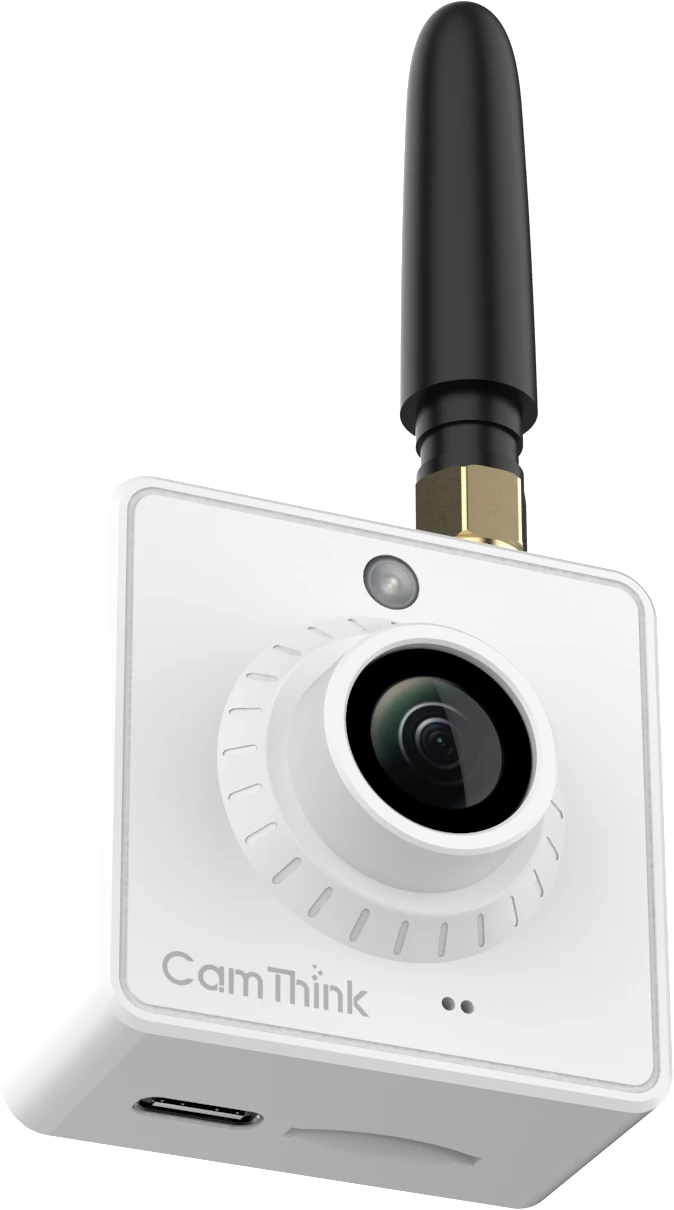
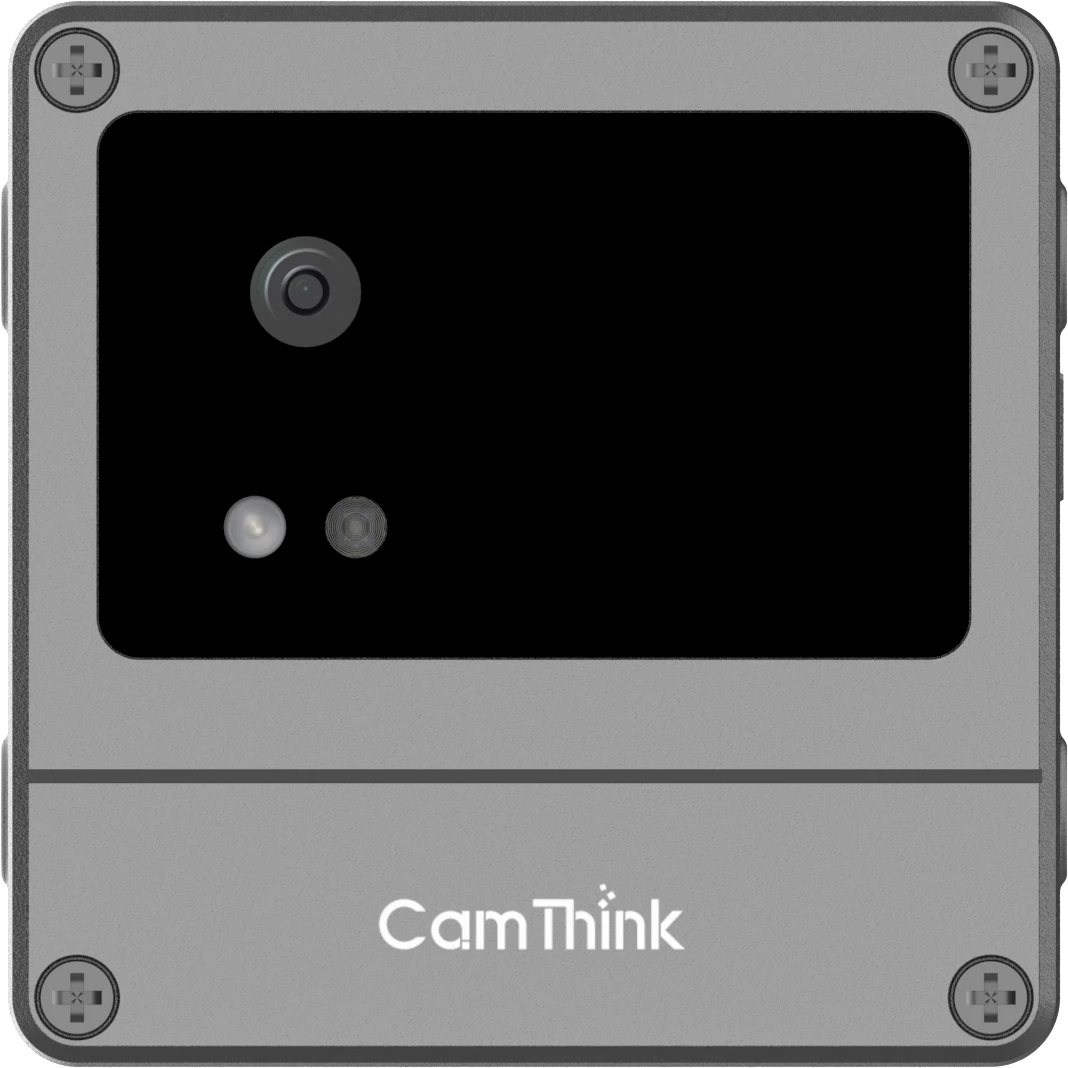
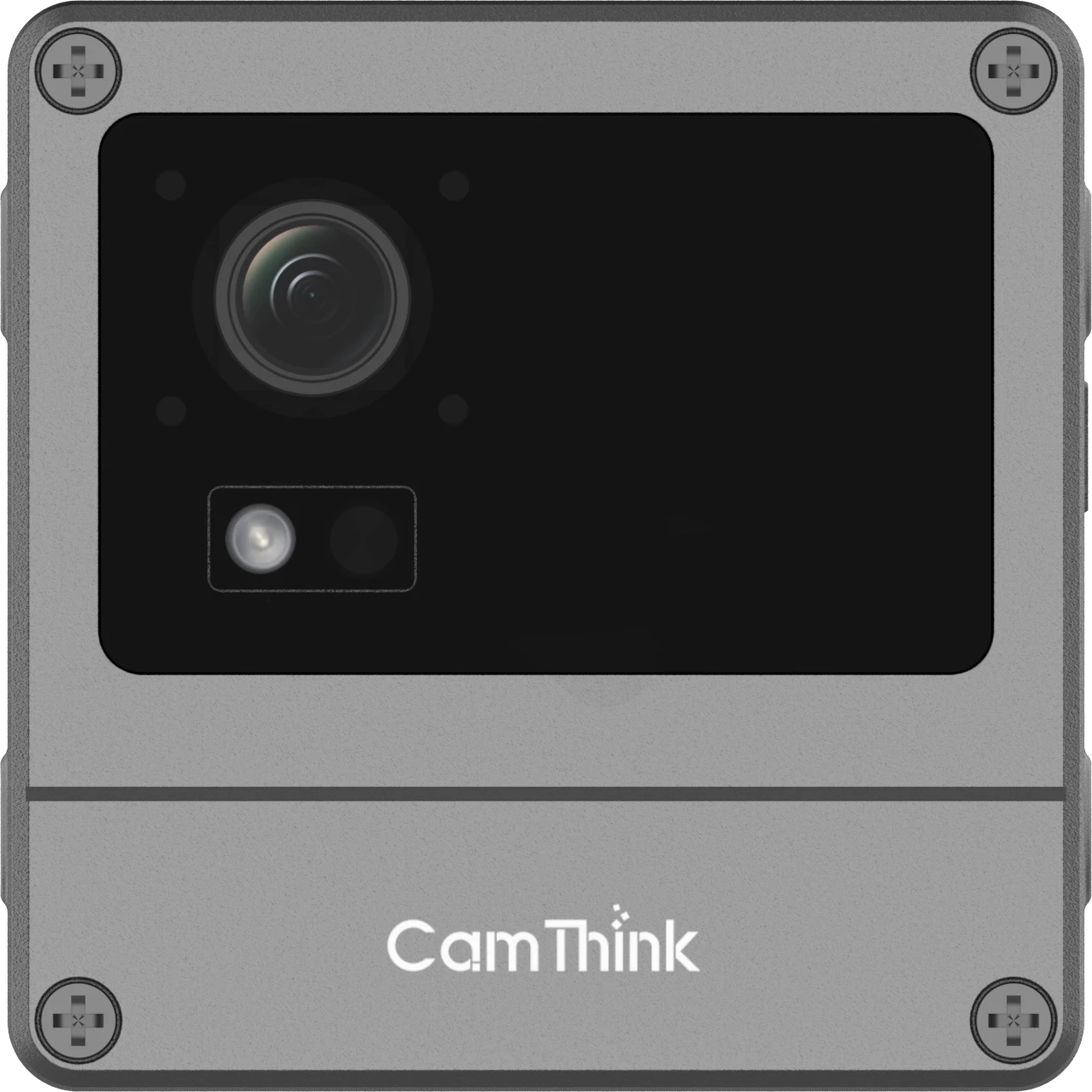
The NeoEyes NE301 is best suited for lightweight on-device inference tasks where each camera can operate independently.

  • Typical role: Edge AI camera node.
  • Best for: single-shelf OOS detection, fill-level estimation, refrigerator case monitoring, and pilot deployments.
  • Why it fits: NE301 can capture shelf images, run optimized lightweight AI models locally, and publish structured results without continuous video streaming.

NG4500 — Multi-Camera Edge Compute for Complex Pipelines

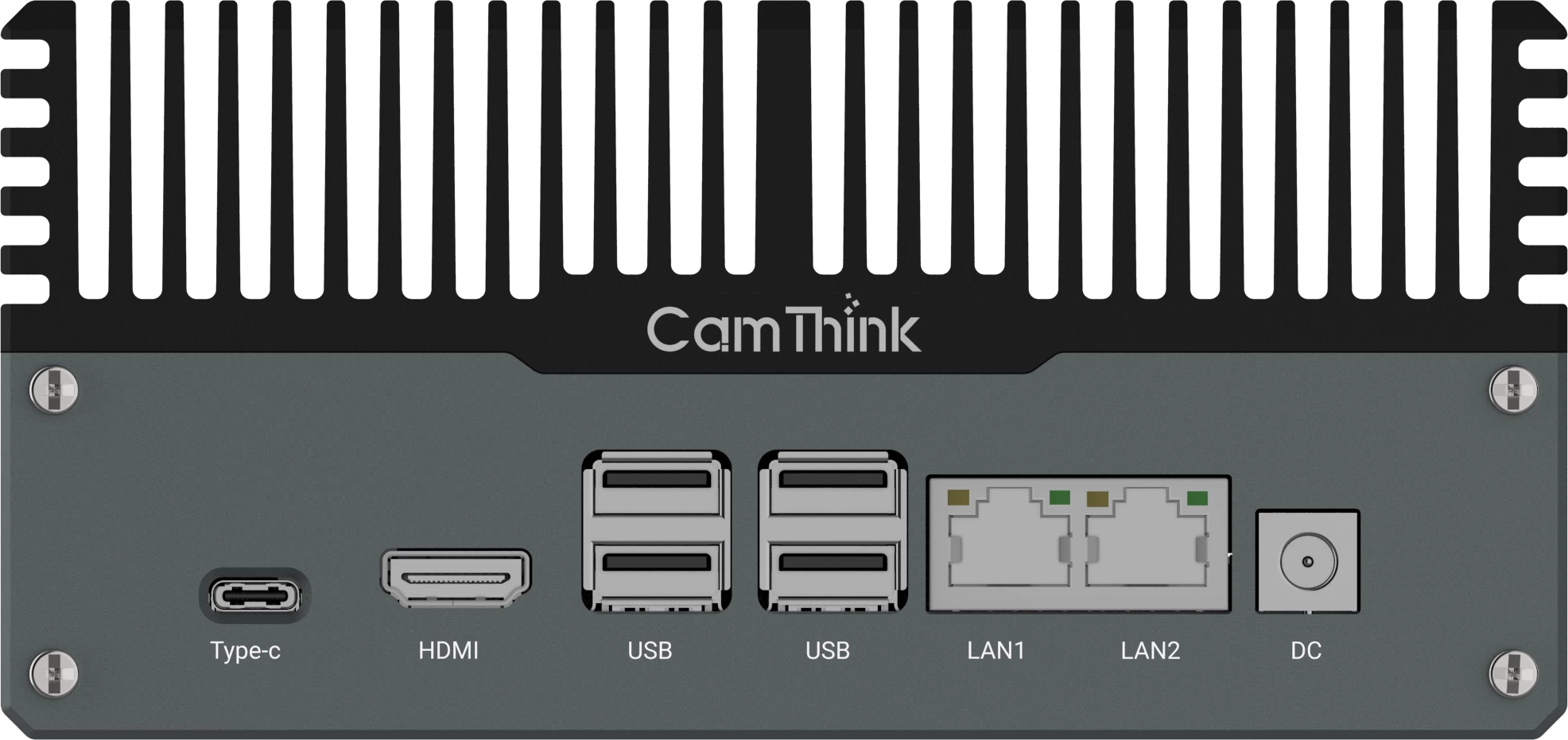
The NeoEdge NG4500 is better suited for store-level or zone-level inference where multiple cameras need to be aggregated and more complex models are required.

  • Typical role: Store-level edge AI compute box.
  • Best for: planogram compliance, multi-SKU classification, higher-resolution processing, and multi-camera retail AI systems.
  • Why it fits: NG4500 can run larger models, process multiple camera feeds, and handle complex workloads such as planogram compliance and cross-camera analysis.

NE301 + NG4500 — Hybrid Deployment

A hybrid deployment combines shelf-level cameras with store-level edge compute. NE301 performs first-pass detection near the shelf, while NG4500 handles heavier models, aggregation, review, or advanced analysis. NeoMind can support device management, model updates, and fleet monitoring.

DimensionNE301 On-CameraNG4500 Edge ServerNE301 + NG4500 Hybrid
Compute locationOn the cameraLocal edge boxBoth
Camera countOne camera per shelf sectionAggregates multiple feedsNE301 per shelf + NG4500 per zone/store
Best forOOS, fill level, pilotPlanogram, multi-SKU, larger modelsFull-store rollout
Model typeLightweight optimized modelsLarger models and multi-model pipelinesLightweight first-pass + heavier analysis
IntegrationMQTT / HTTP from deviceLocal server integrationDevice + edge platform integration
Deployment scaleSingle shelf to small storeStore zone to full storeMulti-camera / multi-store
Hardware choice depends on camera count, model complexity, image resolution, and downstream integration requirements.

Designing a shelf monitoring system for a client? Share your store size, shelf layout, and detection target. CamThink can help you scope the right edge AI hardware role before you purchase.

View NE301 View NG4500

Deployment scale determines whether you should start with a single edge AI camera, a camera fleet, or a hybrid system with local edge compute.

Pilot
1–5 shelves
Validate image quality and detection feasibility.
  • 1–3 NE301 cameras
  • Local MQTT broker
  • Node-RED, Home Assistant, or custom dashboard
Small Store
5–20 shelves
Distributed shelf monitoring with independent camera nodes.
  • NE301 per shelf section
  • PoE or stable USB-C power where available
  • Optional NeoMind for device management
Full Store
20–80+ shelves
Combine camera fleet with local edge compute.
  • NE301 camera fleet
  • NG4500 per store or zone
  • OTA updates and model validation by category
Typical data flow — edge AI shelf monitoring
NE301
Shelf image capture + local inference
MQTT / HTTP
Local Broker
Mosquitto · EMQX · NeoMind
Structured event
Your System
ERP · WMS · task app · dashboard

Camera Placement: The Most Important Deployment Decision

Model accuracy is determined first by image quality. A well-placed camera with a simple model often performs better than an advanced model using inconsistent images.

For shelf monitoring, camera placement affects product visibility, object size in frame, shelf gap detection, lighting consistency, reflection risk, model generalization, and false positive rate.

Mounting Height

For standard shelf monitoring, mount the camera near the shelf rail or at a stable angle that captures the target shelf section consistently. Keep the camera fixed, avoid angles that change when shelves are restocked, and validate the angle with real images before training.

Distance from Shelf Face

Camera distance determines how much shelf width can be covered and how much detail each product receives. A closer camera provides better product detail but covers less shelf width. A farther camera covers more shelf area but may reduce per-product resolution.

Lens Selection

Lens choiceBetter for
Narrower FOVHigher detail, smaller shelf sections, SKU-level detection.
Medium FOVStandard shelf sections and OOS detection.
Wider FOVWide-bay coverage, overhead or broader scene monitoring.

Do not choose the widest lens by default. Wider coverage can reduce object detail and make model training harder.

Lighting

Consistent lighting matters more than maximum brightness. Common lighting problems include shelf shadows, glare from packaging, refrigerator glass reflections, changing light across the day, under-shelf dark zones, and promotional displays blocking light.

Cold chain placement note

Glass-door refrigerator cases require additional validation. Reflections and condensation can cause false positives if the model is trained only on open-shelf images. Test camera angle against glass reflection and collect images with doors closed, opened, and partially obstructed.

Platform Integration: MQTT Payload to Your System

For integration-focused teams, the most important question is not only whether the camera can detect an event, but whether the result can enter the existing workflow.

In a CamThink-style edge AI deployment, the camera or edge box can publish structured event data to your system through MQTT or HTTP.

A typical architecture looks like:

Edge AI camera → local inference → MQTT / HTTP event → broker or API → ERP / WMS / dashboard / task system

Example MQTT payload
{
  "device_id": "ne301-shelf-07",
  "store_id": "store-015",
  "shelf_id": "beverage-aisle-03",
  "event_type": "shelf_gap_detected",
  "fill_level": 0.42,
  "threshold": 0.50,
  "confidence": 0.91,
  "bbox": [
    {
      "x": 184,
      "y": 92,
      "w": 210,
      "h": 160,
      "label": "empty_slot"
    }
  ],
  "timestamp": "2026-04-28T10:24:18Z",
  "image_evidence": true
}

This event can be routed to store associate task apps, inventory systems, retail dashboards, ERP/WMS systems, replenishment workflows, custom alerting systems, or local review dashboards.

For multi-camera deployments, a local edge server or device management platform can help manage devices, update models, monitor health, and aggregate events across the store.

Model Deployment and Update Workflow

Shelf monitoring models are deployment-specific. Product packaging, shelf layout, lighting, camera angle, and seasonal displays can all affect accuracy.

1
Define the detection target

Decide whether the task is OOS, fill level, planogram, label verification, or refrigerator monitoring.

2
Capture real shelf images

Use the actual camera angle and lighting conditions expected in deployment.

3
Build the training dataset

Include full shelves, partial shelves, empty gaps, edge cases, reflections, and unusual product arrangements.

4
Train or fine-tune the model

Use a model architecture suitable for the target hardware and detection task.

5
Optimize for edge deployment

Quantize or convert the model as needed for on-device or edge server inference.

6
Validate before scaling

Test on held-out images and live shelf conditions before expanding to more shelves.

What CamThink Provides — and What You Need to Integrate

CamThink provides the edge AI hardware and integration building blocks for teams building retail shelf monitoring systems. It is not positioned as a closed retail shelf analytics SaaS platform.

What CamThink Provides

  • Edge AI cameras
  • Edge AI compute boxes
  • On-device inference hardware
  • Model deployment workflow
  • MQTT / HTTP structured data output
  • NeoMind device management options
  • OEM / ODM and custom model support for qualified projects

What You May Need to Integrate

  • Retail operations dashboard
  • Store associate task workflow
  • SKU / product master database
  • Planogram reference data
  • ERP / WMS / inventory system
  • Deployment-specific image dataset
  • Store-level IT and network configuration

Common Deployment Mistakes to Avoid

Choosing the Wrong Compute Location

Not every task should run on the camera. Basic OOS or fill-level detection may fit on-device inference. Complex planogram compliance or multi-SKU recognition may need a local edge server.

Training on Generic Images Only

Retail shelf models should be trained and validated on real deployment images. Generic datasets rarely capture the exact lighting, camera angle, packaging, and shelf layout of the target store.

Ignoring Camera Placement

Poor camera placement can reduce accuracy more than model choice. Always validate camera angle, distance, lighting, and field of view before scaling.

Skipping Integration Planning

A detection event is only useful if it reaches the right workflow. Plan the MQTT topic structure, payload fields, alert thresholds, and downstream system integration early.

FAQ

What is retail shelf monitoring with AI?

Retail shelf monitoring with AI uses computer vision cameras and machine learning models to automatically detect shelf conditions such as out-of-stock gaps, misplaced products, low fill levels, planogram mismatches, or refrigerator inventory changes. In an edge AI setup, the model can run locally on the camera or a nearby edge server, producing structured events for retail systems.

Why use edge AI cameras instead of cloud video analytics?

Edge AI cameras process images locally, reducing the need to transmit continuous video. This can lower bandwidth usage, reduce latency, improve privacy, and allow detection to continue even when internet connectivity is limited.

What hardware is needed for retail shelf monitoring?

A complete system usually requires a camera with suitable image quality and field of view, local AI compute on the camera or edge server, stable power and network connectivity, MQTT/HTTP integration, a trained model, and a downstream system for alerts, review, or replenishment workflow.

Can one camera monitor an entire supermarket aisle?

Usually no. Shelf monitoring requires consistent product visibility and enough image detail for detection. A full aisle typically needs multiple camera positions. The exact number depends on shelf length, product size, lens choice, mounting distance, and whether the task is simple fill-level detection or SKU-level planogram compliance.

Can I use my own AI model?

Yes. The intended workflow is to allow teams to deploy custom-trained models for their specific shelf layouts, product categories, and detection targets. Model compatibility depends on the target hardware, model format, input size, and compute requirements.

What accuracy should I expect?

Accuracy depends on camera placement, image consistency, lighting, product category, model design, and training data quality. A pilot should validate performance using held-out images from the actual deployment environment before rollout.

Does shelf monitoring work without internet?

Yes, if the system is designed for local inference and local message routing. An edge AI camera can run detection locally and publish events to a local MQTT broker or edge server on the same network. Internet connectivity may still be useful for remote management, OTA updates, cloud dashboards, or multi-store reporting.

Is this a complete retail shelf analytics SaaS solution?

No. CamThink provides edge AI cameras, edge compute hardware, model deployment workflow, and structured data integration options. A full retail shelf analytics solution may also require your own retail dashboard, SKU database, planogram data, task management workflow, and business system integration.

Conclusion

Retail shelf monitoring is most useful when it becomes part of an existing retail workflow, not when it operates as another isolated camera system. Edge AI cameras make this practical by running detection locally and sending structured shelf events to the systems that already manage inventory, replenishment, tasks, or reporting.

For simple shelf gap or fill-level detection, an on-device edge AI camera can support fast pilots and localized deployment. For planogram compliance, multi-camera analysis, or store-level rollouts, a local edge compute box can provide additional model capacity and aggregation.

CamThink’s role is to provide the edge AI hardware and integration foundation: cameras, local inference, edge compute, model deployment, MQTT/HTTP output, and device management options. System integrators, retail technology platforms, and AI developers can build on top of that foundation to create shelf monitoring systems that fit their own retail workflows.

CT
Harry Hua
CamThink Technical Director · Edge AI Deployment

Harry Hua works across technical architecture and business deployment planning for edge AI hardware projects. This guide reflects CamThink’s experience helping developers, system integrators, and platform teams evaluate edge AI cameras, local inference, and structured data integration.

Connect on LinkedIn

Share: X / Twitter LinkedIn

Build a Shelf Monitoring Prototype with Edge AI Hardware

Share your use case, target shelf layout, camera count, and integration requirements. CamThink can help you evaluate whether NE301, NG4500, or a hybrid architecture fits your deployment.

Order Evaluation Hardware

The form is taking longer than expected to load.

Or email us directly at sales@camthink.ai