Scope of this guide
This guide is written for system integrators, retail technology platforms, AI developers, and hardware evaluators building refrigerator shelf or cold chain monitoring systems.
It focuses on edge AI camera hardware, local inference, camera placement, MQTT/HTTP data output, and deployment architecture — not a closed smart retail SaaS platform.
What Is Refrigerator Shelf Monitoring?
Refrigerator shelf monitoring uses cameras and computer vision models to observe product availability, fill level, and shelf condition inside refrigerated retail cabinets, beverage coolers, dairy cases, and fresh food displays.
Compared with standard ambient shelves, refrigerator shelves introduce additional vision and deployment challenges: glass-door reflections, condensation, changing internal lighting, high product turnover, narrow mounting space, and sometimes weak store Wi-Fi near cooler walls.
In an edge AI architecture, the camera or local edge server analyzes refrigerator images near the cabinet and publishes structured events such as low stock, empty slot, misplaced product, or image evidence through MQTT, HTTP, or a local integration layer.
Why Refrigerator Shelves Are Harder Than Standard Shelves
Cold-case monitoring is not just normal shelf monitoring behind glass. The image quality and deployment constraints are different enough that a model trained on open shelves should not be assumed to work in refrigerator cases without validation.
Vision challenge
Glass reflections
Glass doors can reflect aisle lighting, shoppers, promotional signage, and adjacent shelves. These reflections can create false positives if training data does not include closed-door images.
Vision challenge
Condensation and glare
Door openings, humidity, and temperature differences can create fogging or highlights that obscure product facings and empty slots.
Deployment challenge
Limited mounting options
Some pilots can use temporary brackets or battery power, while fixed store deployments usually benefit from stable power and repeatable camera placement.
Integration challenge
High SKU turnover
Beverage and fresh-food categories can change quickly, so alert thresholds, model data, and planogram references may need more frequent review.
What Refrigerator Monitoring Systems Can Detect
The most practical starting point is usually stock level or empty-slot detection. More complex use cases such as SKU-level recognition or planogram compliance require better image quality, reference data, and additional validation.
| Use Case | What It Detects | Typical Output | Hardware Fit |
|---|
| OOS / low-stock detection | Empty slots, low facing count, depleted rows | case_id, stock_level, empty_slots, confidence | NE301 for single-case pilots; hybrid for store rollout |
| Beverage refill automation | Threshold-based low stock in high-turnover cooler sections | Refill event, shelf/case ID, optional image evidence | NE301 + MQTT broker / task system |
| Planogram checks | Wrong SKU position, missing facing, display deviation | Mismatch status, expected position, detected status | NG4500 or hybrid architecture |
| Temperature correlation | Visual shelf event combined with sensor state such as door-open or temperature alarm | Visual + environmental event record | NE301 with sensor expansion or local integration layer |
How Edge AI Refrigerator Monitoring Works
A refrigerator monitoring pipeline turns cooler images into structured events. The system can run lightweight detection on the camera, or use a local edge box when multiple refrigerator doors, larger models, or SKU-level analysis are required.
Refrigerator shelf monitoring data flow
1 · Capture
Door or shelf image from NE301
→
2 · Infer
Local model detects products, slots, gaps
→
3 · Analyze
Stock level, empty slots, threshold logic
→
4 · Publish
MQTT/HTTP event to store systems
Edge AI is often a better fit for latency-sensitive, privacy-sensitive, or bandwidth-constrained refrigerator monitoring workloads. It reduces the need to transmit continuous video and lets the camera or local server continue detection even when upstream connectivity is limited.
Cloud systems can still be useful for cross-store analytics, model version management, historical dashboards, or enterprise reporting. The practical architecture is often local-first detection with optional upstream synchronization.
Camera Placement for Refrigerator Doors and Cooler Cases
Camera placement is the first technical decision to validate. If reflections, angle, or shelf coverage are poor, a stronger model will not reliably compensate.
| Placement Factor | Recommended Approach | Why It Matters |
|---|
| Door glass reflection | Test slightly off-axis placement and collect closed-door images under real lighting. | Reflections can look like products, gaps, or labels. |
| Open-door vs closed-door images | Capture both conditions if the deployment uses door-open triggers or closed-door inspection. | The model sees different glare, perspective, and lighting states. |
| FOV selection | Use narrower FOV for SKU or label detail; use medium/wide FOV for fill-level monitoring. | Wider coverage reduces object detail. |
| Condensation | Include fogging and partial obstruction examples in the validation dataset. | Cold-chain environments create image conditions absent in standard shelf datasets. |
| Lighting consistency | Validate cooler internal lighting, store aisle lighting, and after-hours lighting separately. | Detection thresholds can shift across lighting conditions. |
Practical note
Do not assume a standard OOS model trained on open shelves will work on glass-door coolers. Refrigerator pilots should collect deployment-specific images before deciding whether retraining, glare handling, or a different mounting position is needed.
Hardware Architecture: NE301, NG4500, or Hybrid?
Hardware selection depends on camera count, inference workload, power availability, and integration scope. For a refrigerator pilot, start with the smallest architecture that validates image quality and event output.
NE301 for Door-Level or Single-Case Monitoring
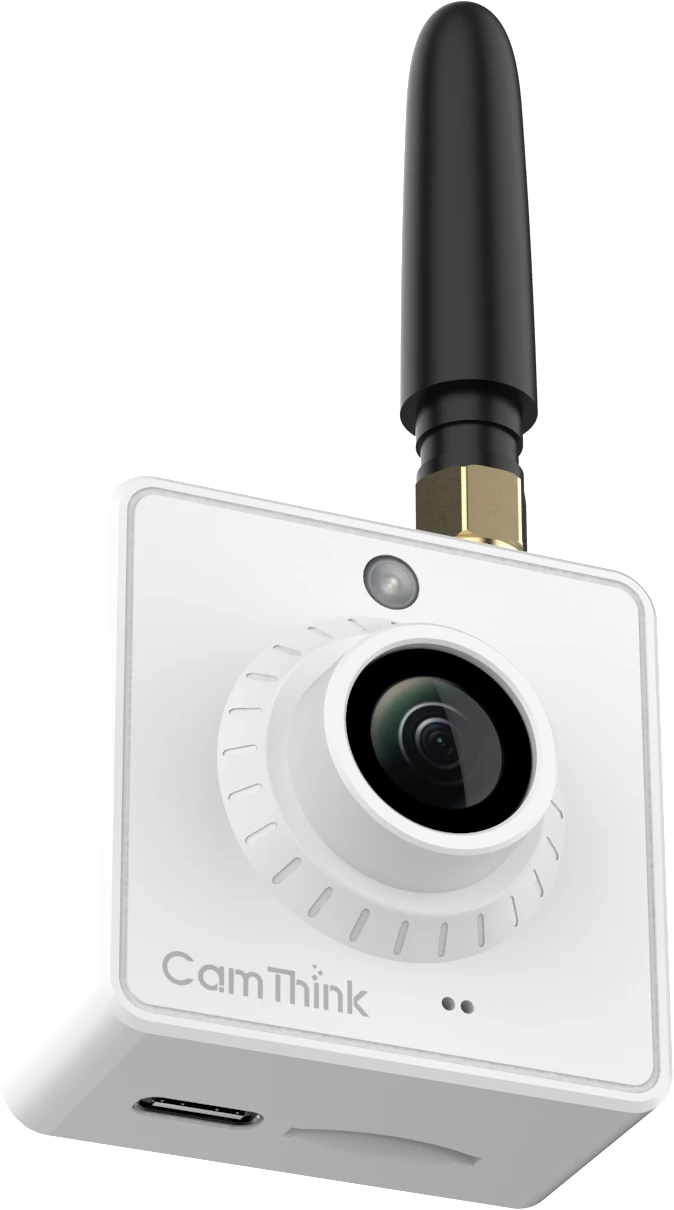
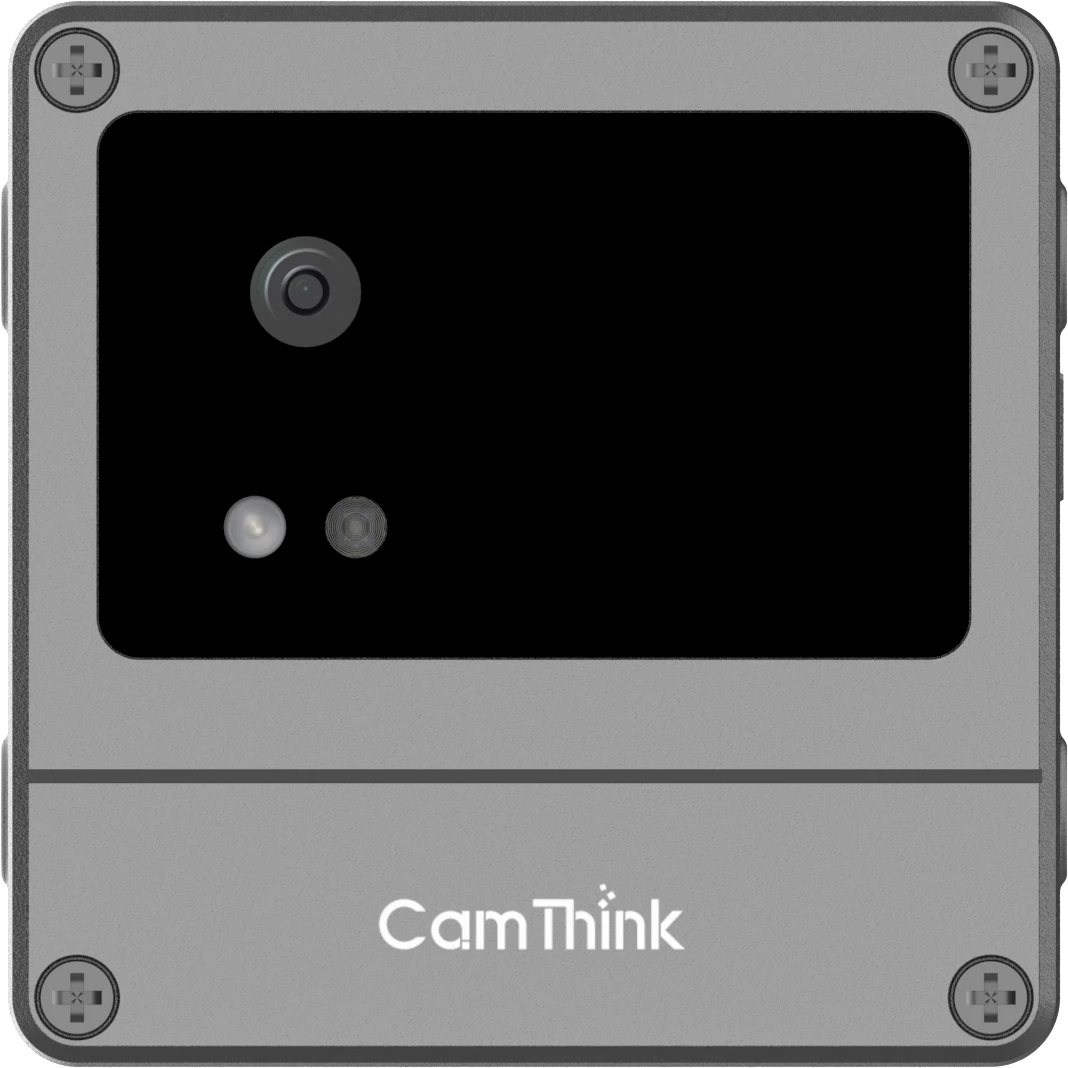
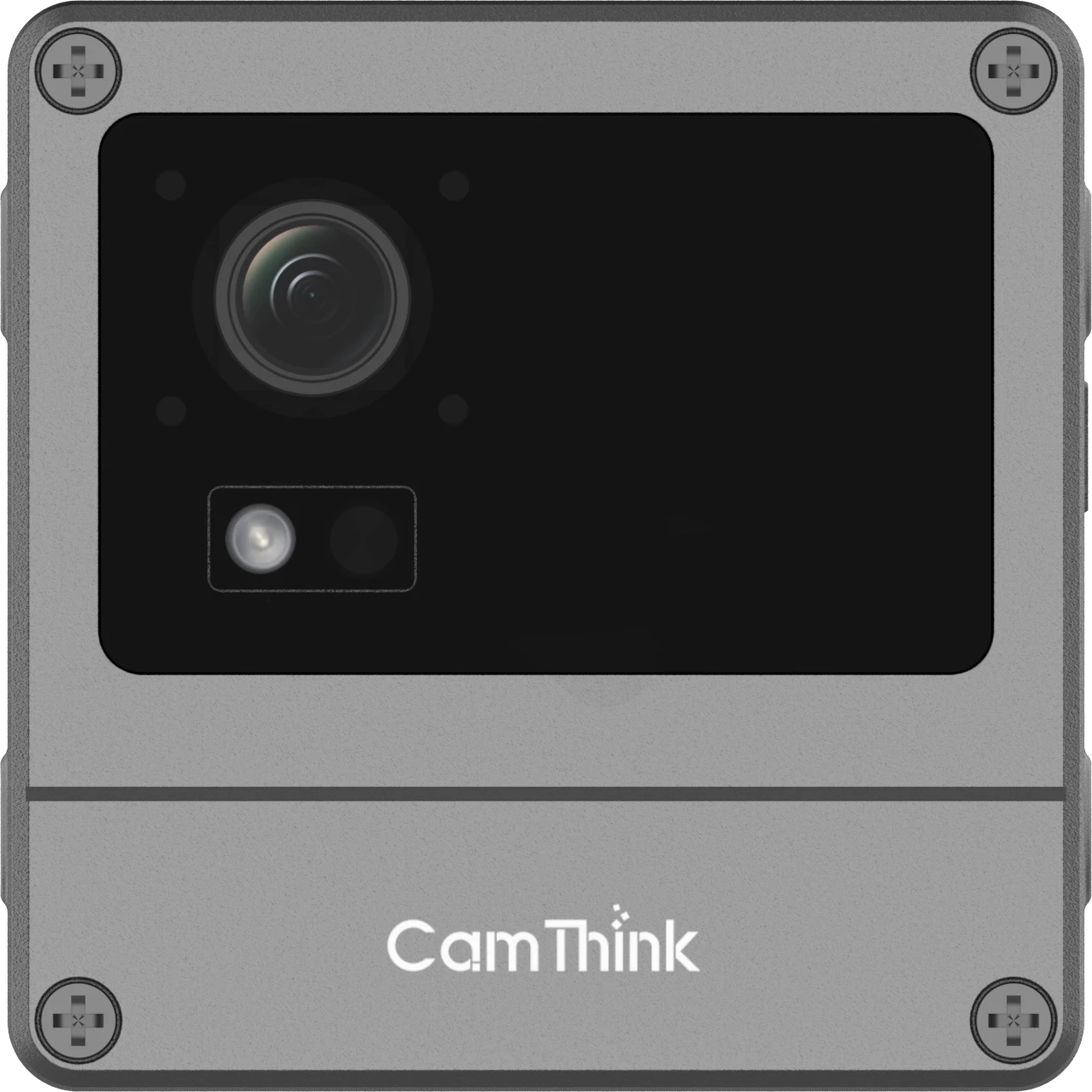
NeoEyes NE301 is the primary on-device AI camera for localized refrigerator shelf monitoring. It is suitable for image capture, lightweight local inference, structured MQTT/HTTP output, and developer-controlled model deployment.
NE301 is designed for direct deployment in refrigerated environments, with an operating temperature range of -20°C to +50°C covering standard refrigerated cabinets (2°C~8°C), dairy cases, and freezers (-18°C). For ultra-low cold storage or extreme conditions, environmental monitoring through the sensor expansion board can validate deployment feasibility.
For fixed store installations, NE301 PoE is often preferred when stable wired power and Ethernet are available. Battery, USB-C, Wi-Fi, or LTE variants can support temporary pilots, standalone cooler doors, or event-triggered capture. Battery life with 4×AA alkaline batteries ranges from several months to years depending on communication mode (WiFi or Cat-1), capture frequency, and network conditions. Use the NE301 Battery Life Calculator to estimate runtime for your specific configuration.
NG4500 for Multi-Door or Store-Level Edge Compute
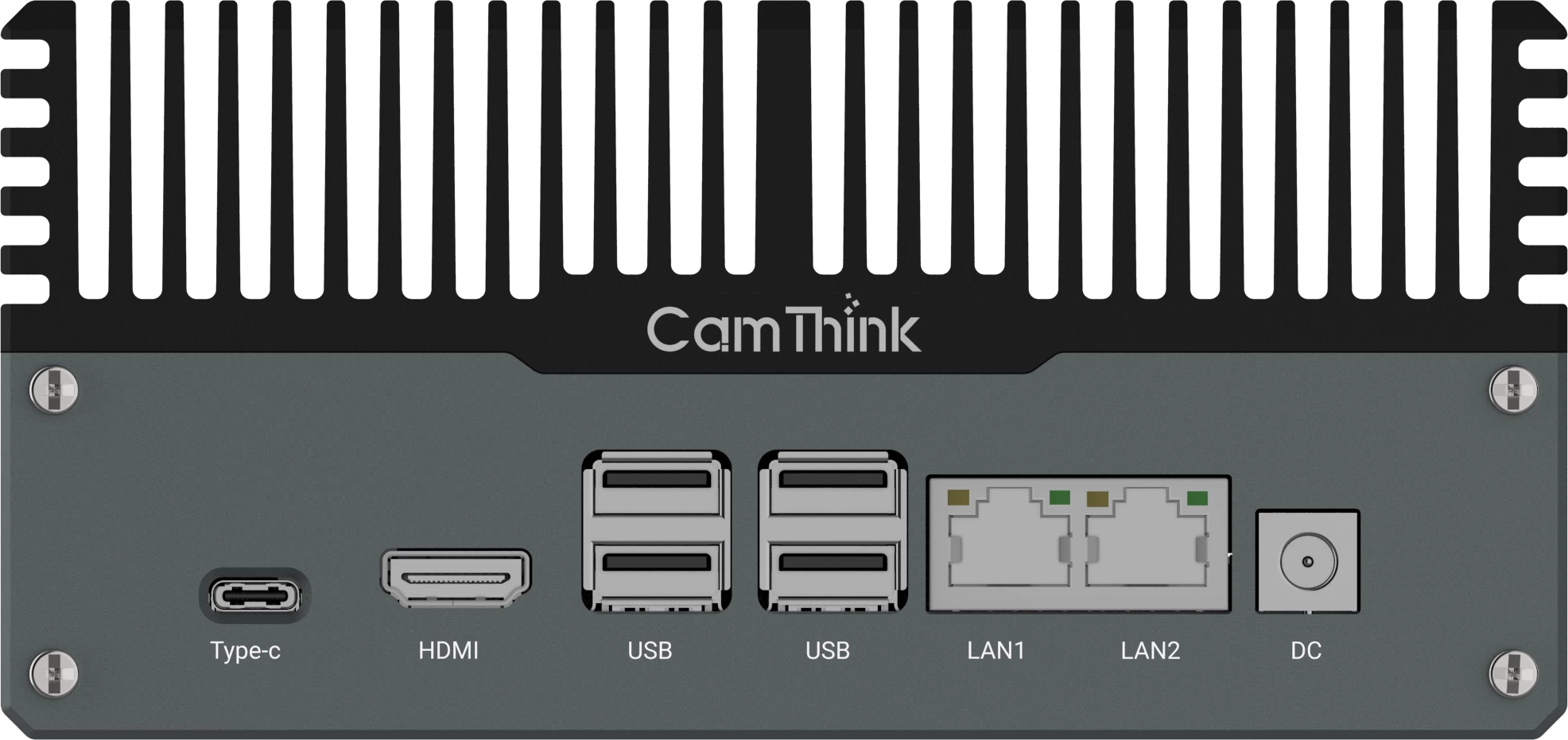
NeoEdge NG4500 is better suited when multiple refrigerator doors, heavier models, planogram checks, SKU classification, or centralized aggregation are required. It can act as a local edge compute layer for teams building more advanced refrigerator monitoring pipelines. With an industrial-grade operating temperature range of -25°C to 60°C and fanless passive cooling design, NG4500 is suitable for installation in back-of-house areas, walk-in coolers, or equipment rooms that may experience wider temperature fluctuations than retail floor environments.
Hybrid Architecture for Larger Deployments
A hybrid deployment uses NE301 cameras for door-level image capture or first-pass detection, while NG4500 handles heavier inference, aggregation, analytics, and integration with store systems. NeoMind can optionally support device management, OTA workflows, and fleet visibility.
| Architecture | Best Fit | Typical Role | Integration Path |
|---|
| NE301 on-camera | Single refrigerator door, beverage cooler pilot, low-stock detection | Capture, local inference, MQTT event | NE301 → MQTT broker → task app / dashboard |
| NG4500 edge server | Multi-door refrigerator wall, larger models, SKU-level analysis | Aggregation, model runtime, local processing | Cameras → NG4500 → store systems |
| Hybrid | Store-level rollout, OOS + planogram + refill workflow | Door-level capture + store-level edge compute | NE301 fleet → NG4500 / NeoMind → ERP / WMS / task systems |
Evaluating refrigerator monitoring? Start with one high-turnover cooler door, validate glare and fill-level detection, then decide whether a single-camera or multi-door edge architecture is required.
What the System Outputs
The useful output is not a video stream; it is a structured event. A refrigerator monitoring system should provide enough context for your store system to route an action, verify the image, or escalate a restocking task.
Example MQTT payload · refrigerator low-stock event
{
  "device_id": "ne301-cooler-04",
  "store_id": "store-015",
  "case_id": "beverage-cooler-02",
  "event_type": "cooler_low_stock",
  "stock_level": 0.42,
  "empty_slots": 7,
  "threshold": 0.50,
  "confidence": 0.88,
  "image_evidence": true,
  "timestamp": "2026-05-12T10:24:18Z"
}
This payload can be routed to Home Assistant, Node-RED, a retail dashboard, ERP/WMS middleware, a replenishment workflow, or a store associate task system.
Integration with Store Systems
Refrigerator monitoring becomes useful when detection results enter an operational workflow. The camera event should map to a store, cooler case, product category, alert threshold, and action owner.
For cold chain and compliance-focused deployments, NE301 can be configured with an optional temperature and humidity sensor expansion. This enables environmental context to be reported alongside visual events—supporting use cases such as temperature deviation correlation with stock loss, spoilage risk assessment, and cold chain compliance audit trails. The combined visual and environmental data provides richer context than vision-only systems for food safety and quality control workflows.
- MQTT broker: receives refrigerator events from cameras or edge servers.
- Middleware: transforms payload fields and deduplicates repeat alerts.
- Task workflow: creates a refill, inspection, or verification action for store staff.
- ERP/WMS or retail platform: receives event records for inventory, compliance, or reporting.
- NeoMind or local dashboard: can support device visibility, event review, and OTA workflows where used.
Example integration architecture
NE301 cooler cameras
Door-level capture and local events
→
MQTT broker / NG4500
Aggregation, heavier inference, routing
→
Store systems
Task app · ERP/WMS · dashboard
Pilot Workflow for Refrigerator Monitoring
A good pilot validates image quality, model behavior, and alert routing in the actual refrigerator environment. Avoid starting with a full cooler wall until one representative case has been tested.
1
Define the case type and detection target
Decide whether the pilot is low-stock detection, empty-slot detection, beverage refill automation, or planogram verification.
2
Test mounting and reflections
Capture sample images with the door open and closed, under store lighting, and during busy aisle conditions.
3
Collect deployment-specific images
Include full, partial, low-stock, empty, reflected, fogged, and unusual product arrangements.
4
Train or tune the detection model
Use the actual refrigerator dataset to validate model behavior before scaling to additional doors.
5
Configure MQTT/HTTP output
Define topic naming, case IDs, payload fields, threshold logic, and optional image evidence.
6
Validate workflow response
Measure whether the alert reaches the right dashboard, task app, or system with enough context for staff action.
What CamThink Provides — and What You Need to Integrate
CamThink provides the edge AI hardware and integration building blocks. A complete refrigerator monitoring deployment may still require retail workflow integration, SKU data, task logic, and deployment-specific model validation.
CamThink provides
- Edge AI cameras for image capture and local inference
- Edge compute boxes for multi-camera workloads
- Model deployment workflow and open development resources
- MQTT/HTTP structured data output
- NeoMind device management options
- OEM/ODM and custom model support for qualified projects
You may need to integrate
- SKU or product master data
- Planogram or cooler layout reference data
- ERP/WMS or store task workflows
- Replenishment rules and alert thresholds
- Store IT, power, and network configuration
- Deployment-specific refrigerator image dataset
What to Validate Before Scaling
Do not assume universal accuracy or fixed deployment timelines. Refrigerator monitoring performance depends on the cooler type, glass, lighting, product mix, camera placement, and integration workflow.
| Validation Area | What to Check | Why It Matters |
|---|
| Glare handling | Closed-door reflection, aisle lighting, promotional signage | Reduces false detections |
| Condensation cases | Fogging, partial obstruction, after-door-open images | Tests model robustness |
| Stock threshold | Empty slots, low facing count, refill trigger level | Prevents unnecessary alerts |
| Power and network | PoE, USB-C, battery, Wi-Fi, LTE, local broker reliability | Determines operational stability |
| System integration | Payload mapping, deduplication, task routing | Ensures detection becomes action |
Frequently Asked Questions
How does AI detect empty spaces inside a refrigerator?
A camera captures refrigerator shelf images and a detection model identifies products, empty slots, or low-stock regions. The system compares the result against a threshold or reference layout, then publishes a structured alert when the condition is met.
Does refrigerator monitoring require cloud video analytics?
No. An edge AI architecture can run detection locally on the camera or a local edge server. Cloud systems may still be used for cross-store dashboards, model updates, or enterprise reporting, but continuous cloud video processing is not required.
Can the system work through glass refrigerator doors?
Yes, but the model and camera placement should be validated with closed-door images from the actual environment. Reflections, glare, and condensation can affect detection reliability.
Should I use battery, USB-C, PoE, or LTE?
For fixed store deployments, PoE or stable wired power is usually preferred when available. Battery, USB-C, Wi-Fi, or LTE can be useful for pilots, temporary installations, standalone cooler doors, or event-triggered capture. Actual runtime depends on capture frequency, upload frequency, network conditions, and temperature.
When should I add NG4500?
Add NG4500 when you need multi-camera aggregation, heavier models, SKU-level recognition, planogram checks, or store-level edge compute. A single NE301 is usually enough to validate one refrigerator door or cooler case first.
What data do I need for a refrigerator monitoring pilot?
You need images from the actual refrigerator environment, including full shelves, low-stock states, empty slots, closed-door reflections, door-open images, condensation cases, and representative lighting conditions.
Conclusion
Refrigerator shelf monitoring is a specialized version of retail shelf monitoring. The core task is not simply to count products; it is to capture reliable cooler images, handle glass and lighting challenges, run local detection, and send structured events into the systems that manage restocking or review.
For a single cooler or beverage-door pilot, NE301 can act as the edge AI camera node for image capture, local inference, and MQTT/HTTP event output. For multi-door refrigerator walls, planogram checks, or heavier models, NG4500 can provide store-level edge compute and aggregation.
CamThink’s role is to provide the edge AI hardware, model deployment workflow, and integration foundation. System integrators and retail technology teams can build on that foundation to create refrigerator shelf monitoring workflows that fit their own store systems.
HH
CamThink Technical Director
Harry Hua leads technical strategy at CamThink, combining deep engineering expertise with business insight to deliver edge AI and computer vision solutions that scale from prototype to production.
Planning a Refrigerator Monitoring Pilot?
Share your cooler type, camera count, power/network constraints, and integration target. We can help you evaluate whether NE301, NG4500, or a hybrid architecture is the right starting point.