Bottom line: edge AI vision hardware is what lets a wildfire monitoring pilot run at the actual site — an outdoor node that survives the weather, captures the right view on a schedule, uploads snapshots and structured JSON over a weak network, and feeds that evidence to the detection model, alert policy, and monitoring platform your team already owns or is building. Depending on the site, that layer may be a low-power image camera, an on-camera AI device, a fixed PoE camera, or a gateway that analyzes several streams; the model, platform, and response process stay separate parts of the system.
Most wildfire monitoring projects start with the detection model. That makes sense. Smoke and flame recognition is the visible part of the demo. In the field, though, the model only works if the camera can survive outside, capture the right view, keep power, upload data through a weak network, and provide evidence that operators trust.
That is where CamThink fits. CamThink provides the outdoor camera and edge AI hardware layer that turns a model trained in a lab or simulator into something testable at the real site — a node configured to capture the view, run or relay inference, and return snapshots plus structured event data over LTE, PoE, or a site network. For pilot work, NeoMind can also serve as an optional MQTT, dashboard, and automation workflow layer. The wildfire model, alert policy, and final dashboard stay with your team, university lab, AI partner, or monitoring platform; the CamThink layer is what makes that system runnable at the site first.
Why Remote Wildfire Monitoring Needs a Field Vision Layer
Satellite data, drone patrols, weather models, and ground cameras solve different parts of the wildfire monitoring problem. Satellite systems such as NASA FIRMS are useful for broad active fire awareness. Public camera networks such as ALERTCalifornia show how fixed cameras can support real time incident monitoring across high risk terrain. A local camera node sits closer to the site and provides visual evidence from the exact area the project owner cares about.
For a private forestry project, utility corridor, mine, park, research site, or rural property, a fixed edge AI camera can watch a known risk area repeatedly. It can capture the same ridge, tree line, road edge, power corridor, or observation zone at intervals. It can also send event data to an existing IoT platform or wildfire AI model for verification.
Scope
This guide is about applying edge AI vision hardware in remote wildfire monitoring. A camera node is one input alongside satellite data, weather intelligence, and trained human review — not a replacement for them.
What the Edge AI Vision Layer Should Provide
A useful field vision node should produce more than a video feed. The system needs image evidence, device status, model output, and a way to connect those signals to the customer’s platform.
Image input
Capture fixed views of forest edges, ridgelines, utility corridors, remote assets, or smoke source areas.
AI workflow
Run a built-in model on the camera, upload your own model to it, or send images to a server-side model, depending on site compute and accuracy.
Connectivity
Use Wi-Fi, LTE Cat.1, PoE, or a site network to send snapshots, event JSON, health data, or video streams.
Field reliability
Handle outdoor mounting, power constraints, temperature, humidity, weak network conditions, and maintenance windows.
Edge AI vision hardware can take several roles in a wildfire monitoring project. A camera may detect smoke locally, collect field images for model training, stream video to a monitoring room, or publish alerts to MQTT. Those roles require different architectures, so the workflow should be clear before the hardware is selected.
Reference Architecture for Remote Wildfire Monitoring
A practical remote wildfire monitoring system usually has five project layers: field camera node, network, AI or rules engine, monitoring platform, and human verification. During a pilot, an optional workflow layer such as NeoMind may help receive MQTT data, show device status, and test automation rules. The exact boundary depends on who owns the model and who responds to alerts.

This split is important for customer projects. A university lab may already have the wildfire classification model. An IoT company may already have the SaaS platform. A system integrator may own the deployment network and alert workflow. CamThink’s role is to provide camera nodes, fixed-site AI cameras, edge AI gateways, and optional NeoMind workflow tooling that feed those layers without replacing them.
Where CamThink Edge AI Hardware Fits
In a wildfire monitoring project, the hardware choice depends on whether the site needs sparse image capture, local camera inference, always-on PoE video, or gateway inference. Treat the field layer as a small portfolio, not one universal device.
| Hardware |
Best fit in a wildfire monitoring project |
Use when |
What it enables at the site |
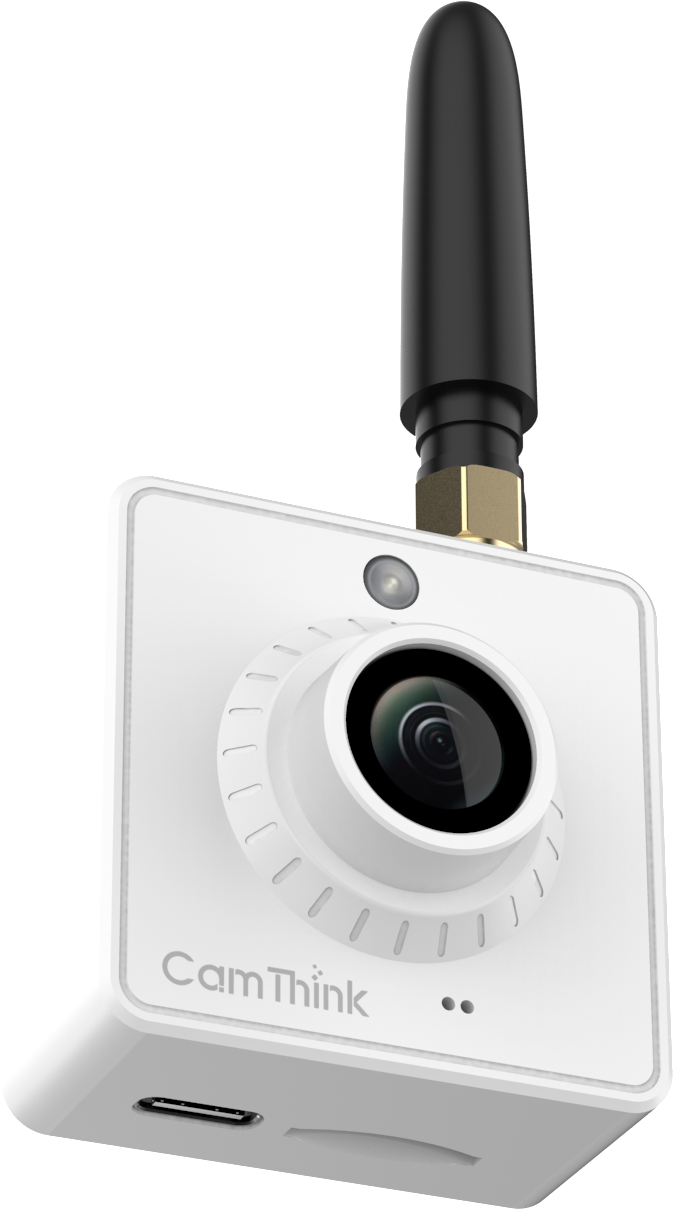
| NE101 |
Event-triggered or scheduled still-image capture at remote points. |
Field image collection, low-cost coverage, or cloud-side inference. |
Low-cost coverage of remote points and a field image set for training or cloud-side inference, without on-camera compute. |
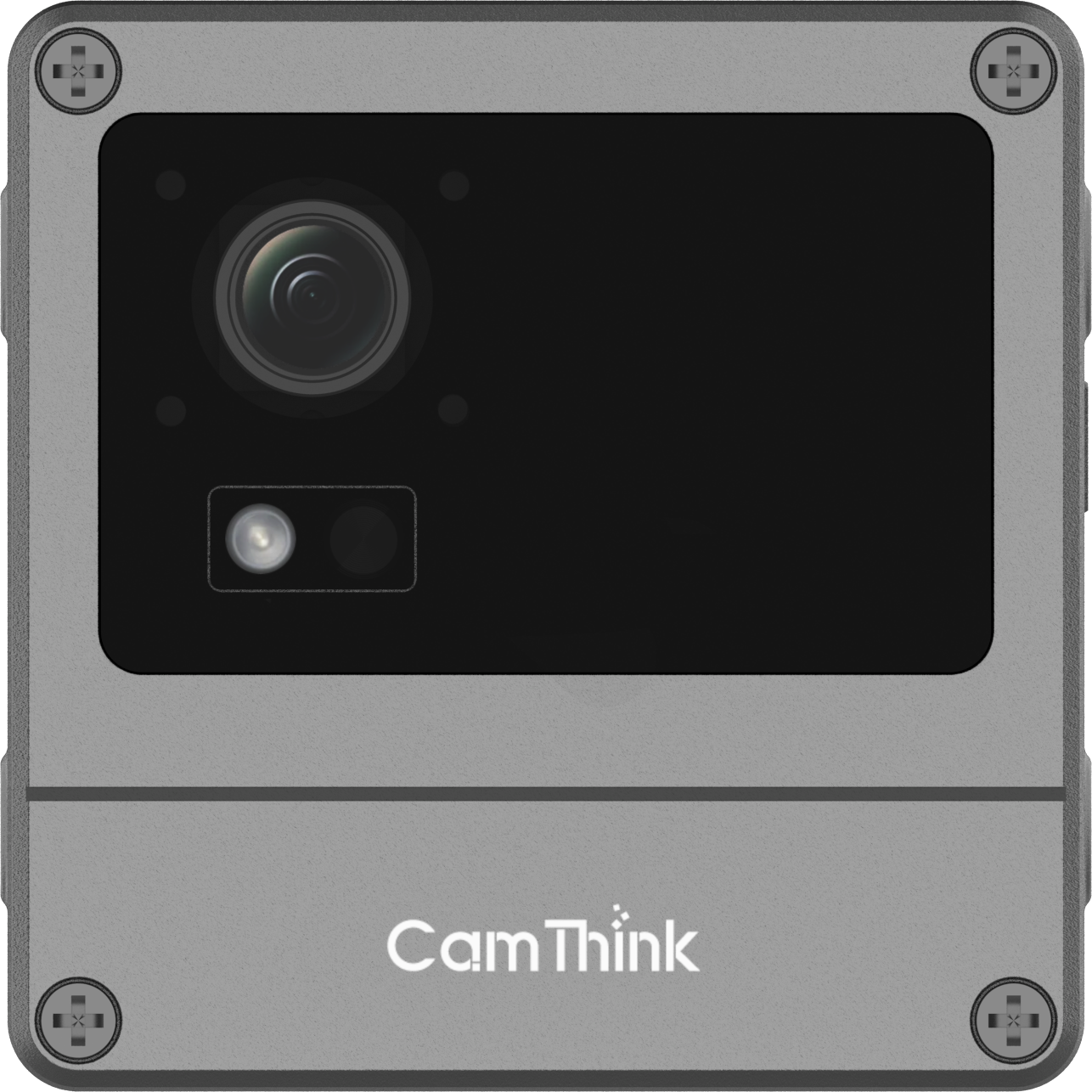
| NE301 |
0.6 TOPS, 4MP, IP67, Web UI model upload, MQTT, optional LTE Cat.1 or PoE. |
Validating a lightweight smoke or flame model on a remote LTE or solar site. |
A lightweight smoke or flame model running on a remote LTE or solar site, with MQTT event reporting back to your platform. |
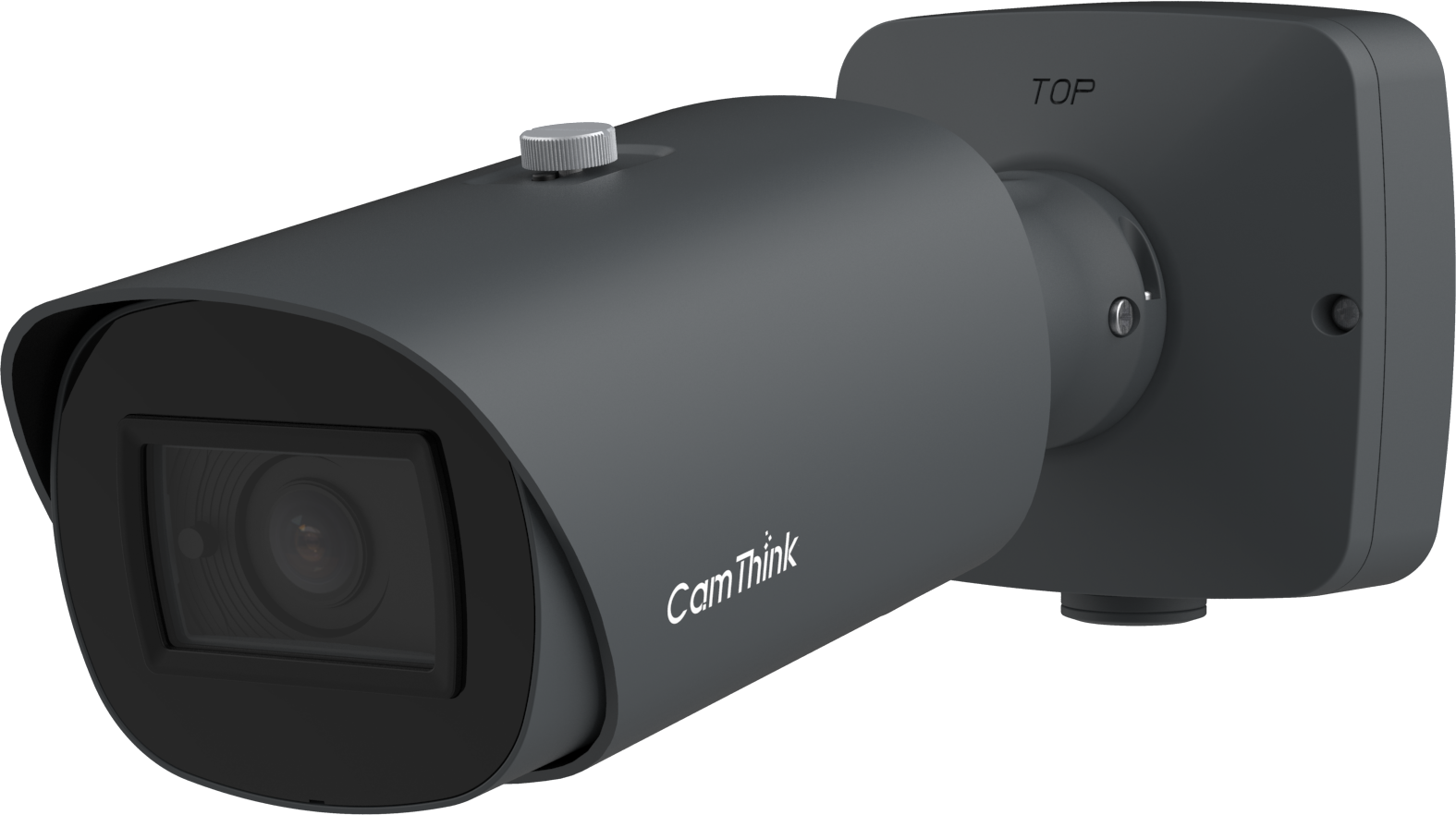
| NE503 |
20 TOPS INT8, 4K, IP67, PoE, RTSP, REST API, containerized apps. |
Fixed sites with wired power and network, like watch towers or utility perimeters. |
Continuous 4K video and stronger on-camera AI at fixed powered sites, with RTSP and containerized apps. |
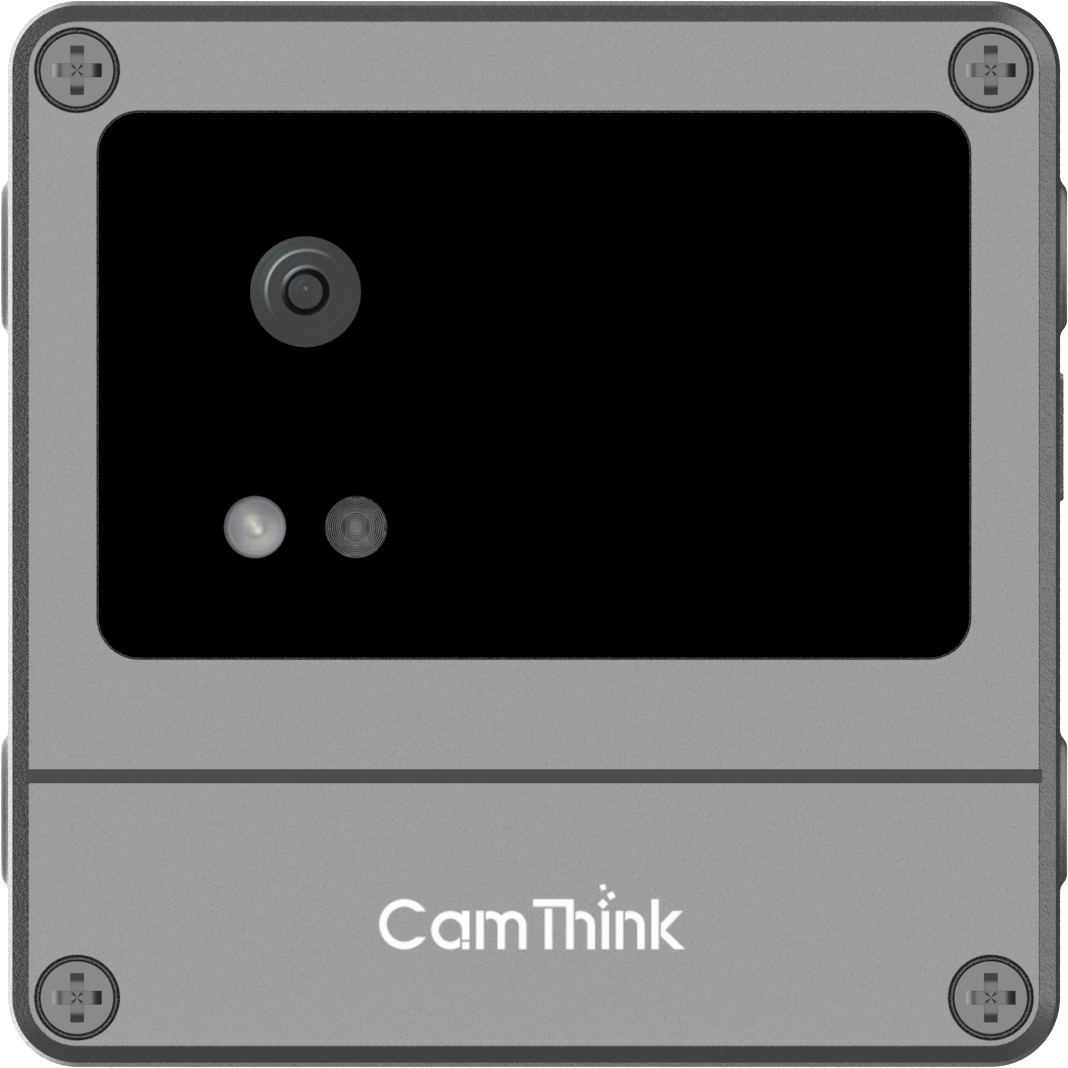
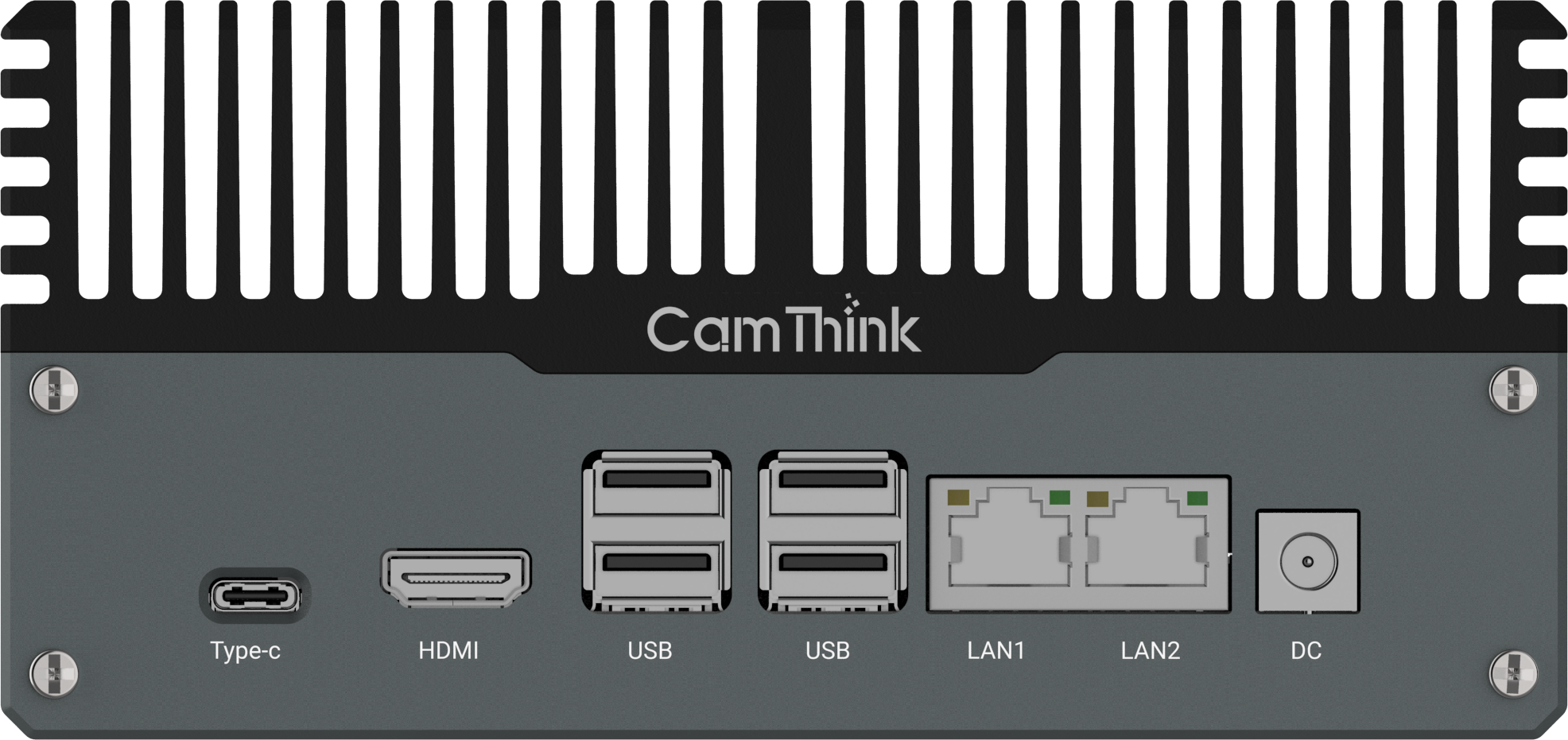
| NG4500 |
Jetson Orin gateway, 20 to 100 TOPS standard, 34 to 157 TOPS INT8 in Super mode. |
Heavier models, multiple RTSP streams, local server inference, or VLM testing near the site. |
Several camera streams and heavier models inferred locally near the site, keeping video off the wide-area link. |
Role limits: NE101 is not built to run a wildfire model on the camera. NE301 and NE503 still need a trained, tuned, and field-tested wildfire model. NE503 suits fixed powered sites rather than battery-first off-grid points. NG4500 needs cabinet, power, network, and thermal planning, like an edge server.
For a first North American wildfire pilot, NE301 is often the practical evaluation node when the customer already has a lightweight model and wants LTE upload from a remote site. NE101 fits earlier field data collection. NE503 fits fixed powered locations where continuous video and stronger on-device AI are needed. NG4500 fits projects where the model is too heavy for a camera or where several cameras feed one local compute point.
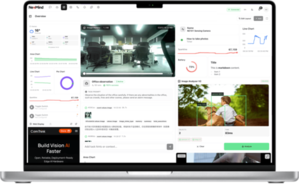
NeoMind is not a camera or gateway, so it should not decide the field hardware choice. It can support pilots by receiving MQTT data, visualizing device status, showing event history, and testing automation rules while the final customer platform is still being defined.
If you are planning a wildfire monitoring pilot, ask CamThink to review the site, model, network, and alert workflow before choosing the camera or gateway role.
Field Deployment Decisions Before a Pilot
The hardest field deployment problems appear after the hardware leaves the lab. Before buying several cameras, lock four decisions: what the camera must see, what should leave the site, how often it wakes, and where AI runs. The data decision usually matters most — it sets bandwidth, power duty cycle, and how much a person or platform can verify before any response.
The four field decisions, with the questions to answer
ViewWhat must the camera see?
- Target area: ridge, forest edge, road, power corridor, or asset perimeter.
- Expected distance to smoke or flame indicators.
- Lens field of view and whether the horizon line should stay visible.
- Sun direction, seasonal foliage, fog, snow, and dust conditions.
DataWhat should leave the site?
- JSON only for low bandwidth alerting.
- Snapshot plus JSON for human verification.
- RTMP stream for a monitoring platform when bandwidth allows.
- Local MicroSD storage for evidence and failed upload recovery.
PowerHow often will it wake?
- Low frequency scheduled capture with low-power image nodes for dataset collection.
- Higher frequency capture during fire season or high risk hours.
- Solar panel and battery sizing based on worst case weather.
- Cellular signal quality, because weak signal increases transmit time.
ModelWhere does AI run?
- On an edge camera such as NE301 or NE503 for local detection and lower data use.
- On NG4500 or a customer server for heavier wildfire models and multiple camera streams.
- On a monitoring platform that combines camera, satellite, and weather data.
- With human review before alert escalation.
False alarms deserve a plan from day one. Fog, low clouds, dust, sunset color, chimney smoke, vehicle exhaust, and controlled burns can confuse a model. The camera should provide enough context for a person or higher level platform to verify the event before response actions begin.
What CamThink’s Hardware Layer Delivers
The hardware layer is what makes a wildfire monitoring pilot runnable at the site. CamThink supplies the field nodes and the integration-friendly edge vision platform, and configures the first sample to produce the images, streams, metadata, or gateway compute that a customer’s model and platform expect.
The image below is from a CamThink field drill: the wildfire smoke model runs in the NE301 Web UI, with a detection box marking the smoke candidate on the captured image.

| Layer |
What CamThink delivers |
| Hardware |
NE101, NE301, NE503, and NG4500 options, plus guidance on lenses, power, connectivity, and setup — configured to the site’s view, power, and network. |
| AI workflow |
NE101 image capture, NE301 Web UI model upload, NE503 containerized apps, and the NG4500 Jetson toolchain — paths to run, upload, or relay the wildfire model. |
| Integration |
NE101 image and data examples, NE301 MQTT/MQTTS, supported RTSP and REST APIs, NG4500 interfaces, and optional NeoMind pilot workflows for MQTT, device status, and automation rules. |
| Field validation |
Sample hardware, configuration help, capability review, documentation, and NeoMind setup references when used. |
What stays on your side
The wildfire detection model, alert policy, map and dashboard logic, operator queue, escalation, and response workflow stay with your team, an AI partner, or a system integrator — along with site survey, installation, site power and network, field and seasonal testing, maintenance, local compliance, and safety. NeoMind can help evaluate the device data path and operator review workflow, but it is not a bundled wildfire platform.
Example MQTT event fields from a camera node
Pilot Checklist for Edge AI Wildfire Monitoring
A useful pilot should show whether the field vision node, model, and platform can work together at the site. It should not try to prove an entire regional wildfire network in one step. Three decisions shape everything else: pick one or two representative sites, define what counts as an event, and collect negative samples — fog, clouds, sunset, dust, exhaust, rain, snow, and controlled burns — from day one.
Full pilot checklist
- Choose one or two representative sites: forest edge, ridge, power corridor, remote asset, or research test area.
- Define what counts as an event: smoke candidate, flame candidate, unusual haze, or image collection only.
- Select the network path: LTE Cat.1, PoE, Wi-Fi, or local gateway.
- Decide the payload: JSON only, snapshot plus JSON, RTMP stream, or local storage plus periodic upload.
- Set the capture schedule for normal days and high risk days.
- Collect negative samples: fog, clouds, sunset, dust, vehicle exhaust, rain, snow, and controlled burn activity if available.
- Compare model output with human review and record false positives and missed events.
- Check battery, solar charging, enclosure, lens clarity, temperature, and network reliability for at least several weather cycles.
For AI teams, the most useful first result is often not a perfect alert. It is a field image set tied to device metadata and site notes. That dataset tells the team whether the model trained in a simulator or lab can handle the actual camera view.

FAQs
Does CamThink provide a complete wildfire detection platform?
CamThink provides camera and edge AI hardware, product documentation, model deployment paths where supported, integration friendly data output, and optional NeoMind workflow tooling for pilot MQTT, dashboard, device visibility, and automation rules. A complete wildfire platform still needs a detection model, alert policy, map interface, and response workflow, which may be built by the customer, a system integrator, or an AI partner.
Which CamThink product should I start with?
Start with NE301 when you want an LTE or PoE edge AI camera for lightweight model validation. Use NE101 when the first job is low-power image capture and dataset collection. Use NE503 for fixed powered sites that need continuous video and stronger on-camera AI. Use NG4500 when several cameras or heavier models need local gateway inference.
Should the field vision node send video or still images?
It depends on the network and verification workflow. Still images plus JSON metadata use less bandwidth and are often enough for first alert review. RTMP video streaming is useful when a monitoring platform or operator needs live context and the site has enough bandwidth and power.
Is 4G LTE enough for remote wildfire monitoring?
LTE can work well for remote sites with reliable coverage, especially when the payload is JSON plus snapshots. Weak signal increases transmit time and power draw. A pilot should test RSSI, upload success rate, latency, and local buffering before scaling.
Can solar power support edge AI cameras in remote wildfire monitoring?
Yes, if the panel, battery, capture frequency, upload payload, and local weather are sized correctly. CamThink’s NE101 and NE301 solar power documentation describes a 10W solar panel plus 7AH battery reference setup. Actual runtime still depends on sunlight, temperature, battery aging, and cellular conditions.