Quick Answer
Add an edge AI camera when a specific point needs to capture the scene, run the model, apply local rules and produce a usable event or action. A normal IPC is still the sensible choice when the job is mainly live view and recording. A shared edge AI box is usually a better fit when many installed cameras need centralized analysis.
The edge AI camera path is most useful at a gate, lane, restricted zone, loading area or inspection point where the image and the decision belong together. The camera can still send RTSP video to the existing VMS, but it also handles the local AI work that makes this point different from the rest of the CCTV system.
Do not replace every IPC because one point needs more intelligence. Upgrade the point whose image, response time or integration requirements justify it.
Start with the Job at the Camera Point
A camera replacement should begin with the point itself. What must be visible? What should count as an event? Where should the result go? A specification sheet cannot answer those questions for the site.
| Question at the point | Why it changes the camera decision |
|---|
| Does the current view give the model enough detail? | If object size, focus, low light or field of view is wrong, adding remote compute will not repair the source image. |
| Must the site react before a server or cloud round trip? | Local inference and I/O can keep the detection and response close to the scene. |
| Does this point need project-specific rules? | An on-camera application can handle zones, timing, thresholds, deduplication and event formatting for that location. |
| Does the receiving system need structured data? | The point may need to send an event with a timestamp, class, confidence, zone and evidence reference, not only a stream. |
| Is this one important point or a group of existing streams? | One critical viewpoint favors an edge AI camera. A group of useful installed IPCs usually favors a shared edge AI box. |
Five Signals That the Point Needs an Edge AI Camera
Image quality is part of the AI task
Many AI problems begin before inference. A plate may occupy too few pixels. A worker may be backlit. A fixed lens may cover too much empty space. When the existing IPC cannot provide a useful image, replacing that camera can solve the capture problem and add local AI in the same installation.
Local response time matters
A gate, relay, warning light or machine-side alert may need a response at the site. Camera-side inference removes a network hop from the decision path. The PoC still needs to measure total response time, including model processing, application rules and the field output.
The point needs its own application
Detection alone is rarely the finished event. A useful application may define a region, track dwell time, suppress duplicates, combine model outputs or convert a result into the customer’s data format. Running that logic on the camera makes sense when it is tightly tied to one viewpoint.
The backend needs events and video
The VMS may still need continuous or recorded video, while an IoT or business platform needs structured events. An edge AI camera can support both paths: video for review and data for workflow. The integration contract should state which system owns each path.
The point must keep working locally
If the WAN connection is interrupted, the camera may still need to detect, store evidence or operate a local output. That does not make the whole system independent of the network. It does let the project define what the point should do during an outage and how events are handled after reconnection.
What Changes in the Existing CCTV Architecture
The new camera does not have to replace the VMS, NVR or operations platform. It replaces or adds one endpoint, then gives that endpoint a local application path alongside the familiar video path.
SceneGate, lane, zone, dock or machine view.
CameraImaging, encoding and fixed-site capture.
Local AIModel inference and application rules at the endpoint.
OutputsRTSP video, structured events or field I/O.
SystemsVMS, IoT platform, business software or local equipment.
The cleanest ownership model is usually straightforward: the VMS owns video recording and review; the camera application owns point-specific inference and rules; the receiving platform owns operator workflow, reporting and escalation. Some projects combine these roles, but the PoC should still name them.
Where NeoEyes NE503 Fits
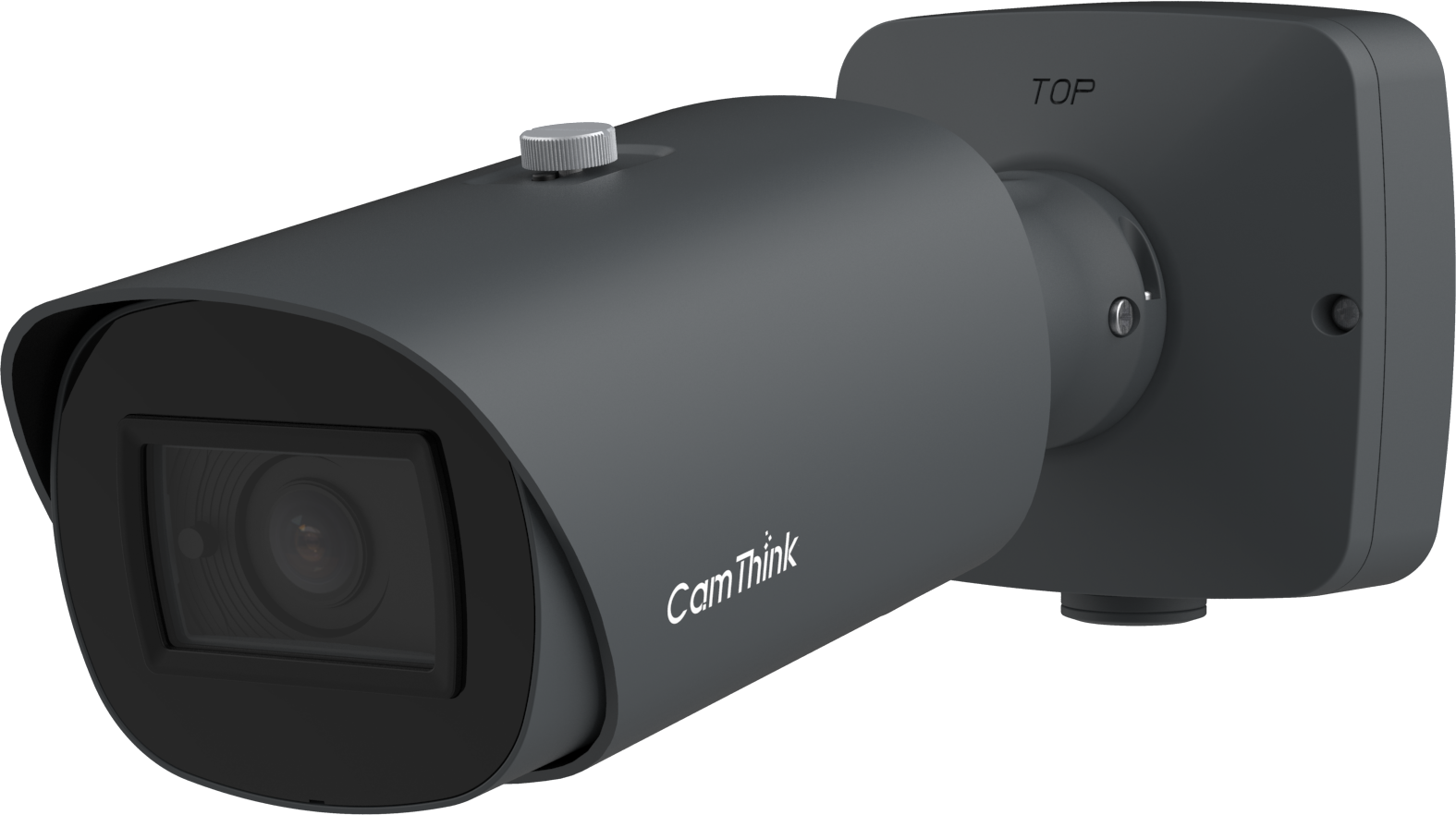
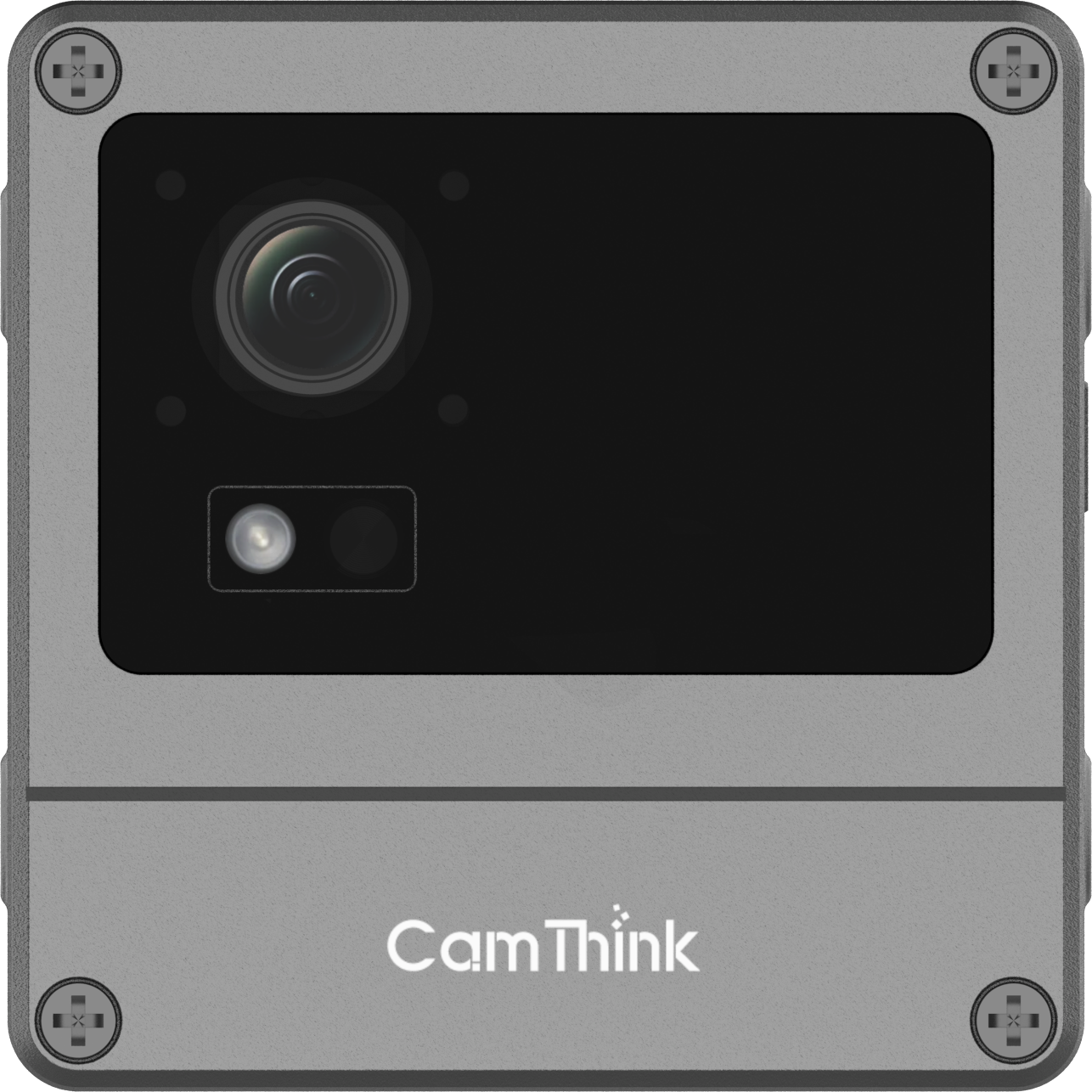
NeoEyes NE503 fits when the decision has already narrowed to one fixed-site point that needs imaging, inference, application logic and system output inside the camera endpoint.
ImagingSony IMX678 4K sensor, Hailo Gen2 AI-ISP and an 8-32 mm autofocus zoom lens.
Local computeHailo-15H with 20 TOPS INT8 NPU performance, 8 GB LPDDR4 memory and 64 GB eMMC storage.
Application layerContainerized applications, platform services, AI runtime, Event Bus, REST API and Python SDK resources.
Video and eventsH.264 RTSP main, sub and third streams by default, hardware H.265 encoding capability and structured event paths for external systems.
Field connectionAlarm I/O, RS-485, Wiegand, audio and supported camera control interfaces.
Fixed-site deploymentPoE 802.3at or 12 V DC, IP67 and IK10 protection, fanless operation and a -40°C to 60°C operating range.
These are platform capabilities, not proof that a particular model or integration will work without preparation. Confirm the model artifact, application dependencies, interface behavior, event payload, lighting and mounting distance on the target software version.
Technical check: For current NE503 platform specs, supported services and software details, check the
NE503 technical documentation before the PoC. Use the PoC to verify model accuracy, response time and field behavior on the actual site.
Examples of Critical Camera Points
| Point | Why a normal IPC may be insufficient | What the edge AI camera should prove |
|---|
| Gate or vehicle lane | The project may need readable vehicle detail, local recognition logic and an event that a parking or access system can consume. | Plate or vehicle visibility at the real distance, event format, barrier workflow and evidence correlation. |
| Restricted zone | A video-only camera leaves zone logic, dwell time and local alarm handling to another system. | Zone geometry, nuisance-event filtering, local output behavior and VMS event review. |
| Loading area or yard | The point may need object, vehicle or PPE events while keeping ordinary video recording. | Day and night scene quality, event rate, model combination and operator response. |
| Machine or inspection point | The image, AI rule and equipment response may all depend on one fixed setup. | Lighting, working distance, model compatibility, timing and the connection to local control or production software. |
These examples are starting points, not packaged applications. Each project still owns its model, acceptance criteria and downstream workflow.
Keep the IPC, Add an AI Camera, or Use an Edge AI Box
| Situation | First path to evaluate | Reason |
|---|
| The current point only needs dependable video coverage and recording. | Keep or add a standard IPC | There is no clear need for camera-side model execution or event logic. |
| One point needs a better image, local inference and point-specific output. | Add or replace with an edge AI camera | The capture and decision belong at the same endpoint. |
| Several installed cameras already have useful views and accessible streams. | Add an edge AI box | A shared compute node preserves the camera layer and centralizes analysis. |
| The site has no stable power and only needs occasional event capture. | Use a low-power event camera | An always-on PoE camera is the wrong power model for the point. |
| Devices already produce good events, but teams cannot route or manage them. | Work on platform integration | The bottleneck is above the camera layer. |
For the full routing logic across installed CCTV, see Add AI to Existing CCTV Systems.
What to Validate Before Replacing the Point
Bring the current camera into the evaluation instead of treating it as a generic IPC. Its image and workflow are the baseline the new point must beat.
- Collect day, night, backlit and high-activity footage from the actual mounting position.
- Record the required field of view, target size, working distance and identification detail.
- Define the exact model output, point-specific rules and acceptable nuisance-event rate.
- Name the system that receives RTSP video, events and device status.
- Document PoE availability, network policy, mounting limits, environmental exposure and maintenance access.
- Decide what the point does during a network interruption, application restart or downstream timeout.
A Practical PoC for One Camera Point
- Use the intended mounting position, lens range and scene. A desk demo cannot validate a gate or yard.
- Define one usable event in plain language, including the model result, local rule, evidence and receiving system.
- Test the difficult hours and target distances, not only a clean daytime clip.
- Verify video in the VMS, then verify the structured event or local action in the system that uses it.
- Interrupt the network, restart the application and confirm what is stored, retried or lost.
- Record the model version, camera settings, application package, event contract and pass criteria as the deployment baseline.
A good PoC ends with a repeatable point design. It should show where the camera is mounted, what it detects, what it sends and how the rest of the system responds.
When NE503 Is Not the First Fit
NE503 is designed for fixed-site, always-on edge AI. That leaves several projects outside its main role.
- Keep the current IPC if its only job is recording and the AI workload runs well elsewhere.
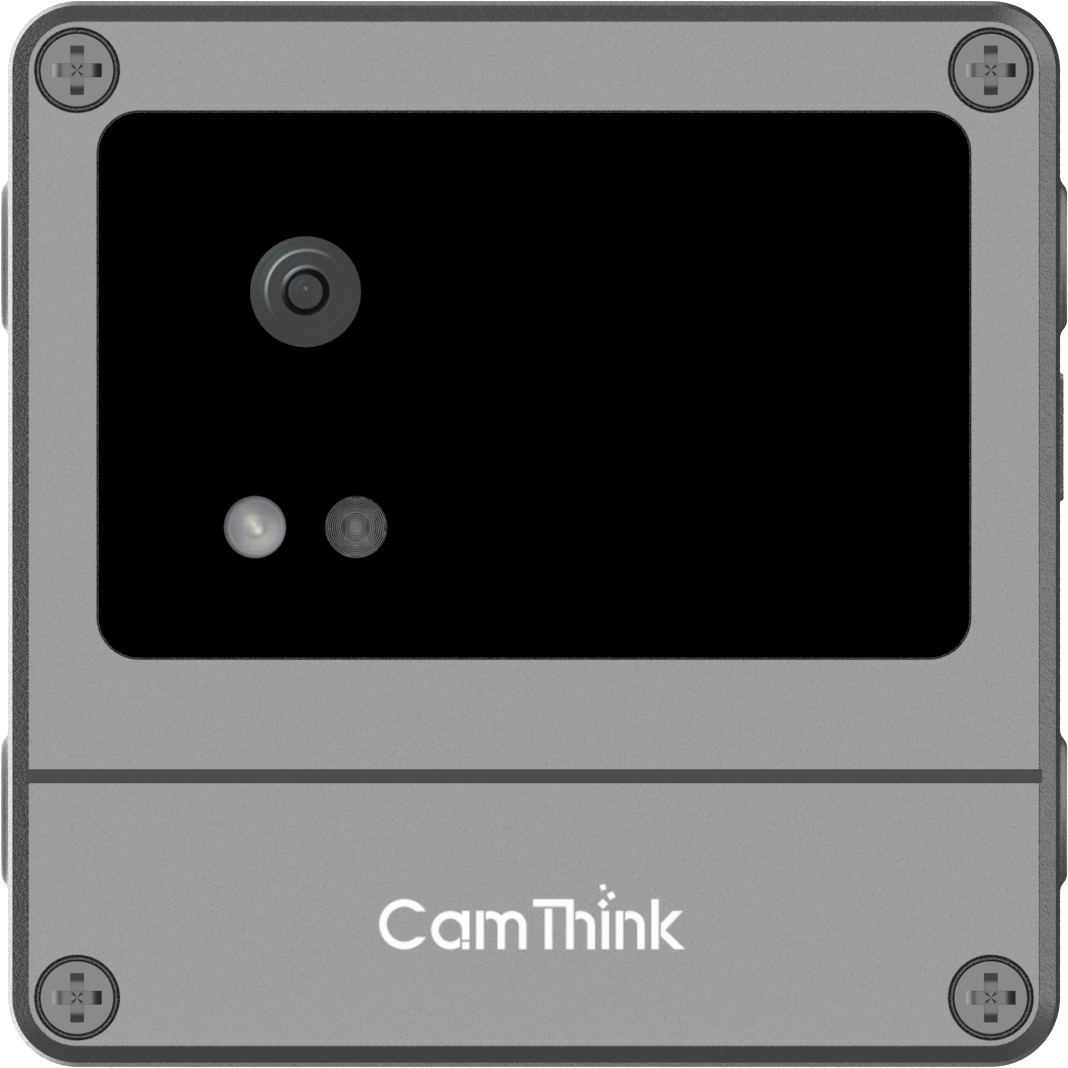
- Evaluate NG4500 when the main requirement is shared analysis for multiple existing camera streams or a GPU-oriented pipeline.
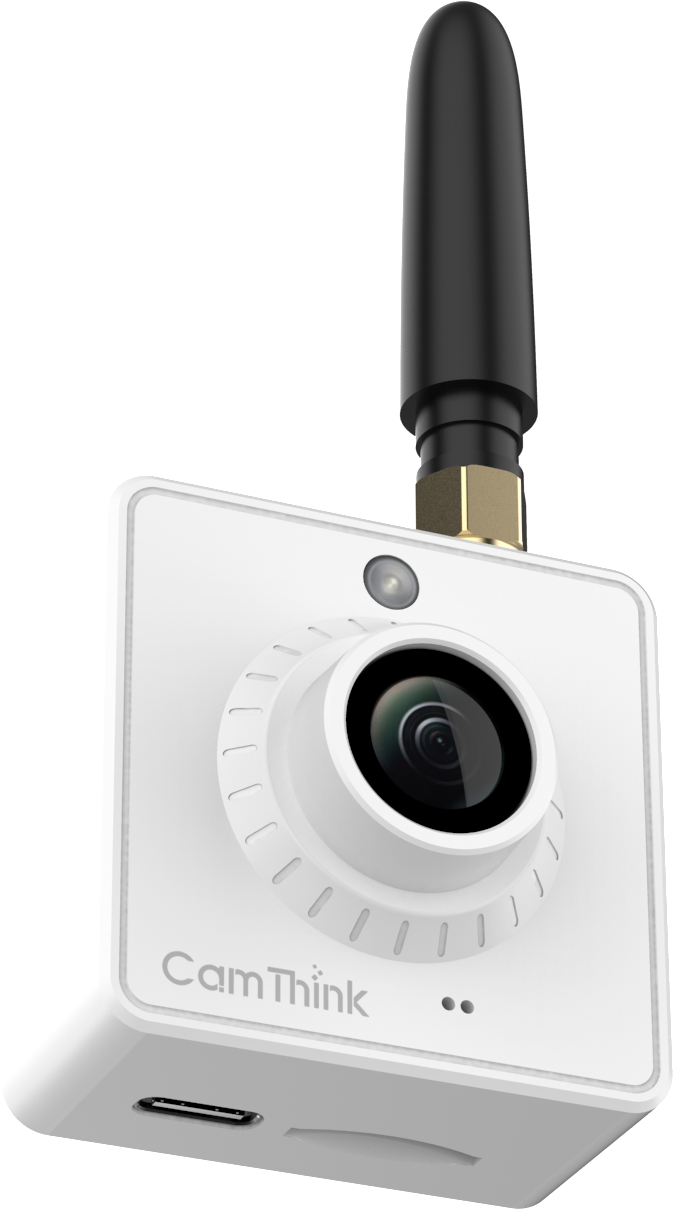
- Evaluate NE301 or NE101 when the point is battery-first, solar-first or event-triggered rather than continuously powered.
- Use the existing platform path when the camera events are already good and the actual problem is dashboard, workflow or fleet management.
FAQ
Does an edge AI camera replace the VMS?
Usually no. NE503 can send RTSP video to a VMS while its local application produces structured AI events or field actions. The VMS can continue to own recording and operator review.
Can NE503 run a custom model and application?
NE503 supports compatible Hailo model deployment and containerized applications. Validate model conversion, runtime compatibility, ARM64 dependencies and resource use on the target software version.
Why not keep the IPC and run AI in the cloud?
Cloud processing can work when bandwidth, latency, privacy policy and outage behavior are acceptable. An edge AI camera is worth evaluating when the point needs local response, local filtering or a tighter link between image capture and action.
Can NE503 still work with an existing NVR or VMS?
It provides RTSP video streams for video integration. Confirm stream settings, credentials, codec support and recording behavior with the target NVR or VMS during the PoC.
Should every important camera point use edge AI?
No. Use an edge AI camera where local imaging, inference, rules or actions change the outcome. Standard IPCs remain useful for broad coverage and recording.
Next Step
Choose one point where the current camera or server-based workflow is clearly limiting the result. Bring its sample footage, mounting distance, model requirement, event destination and local action needs into the evaluation.
If that point needs fixed-site 4K imaging, local Hailo inference, a camera-side application and structured output, NE503 is the CamThink path to test. The result should be a verified point design, not a plan to replace the whole camera estate.