
No products in the cart.
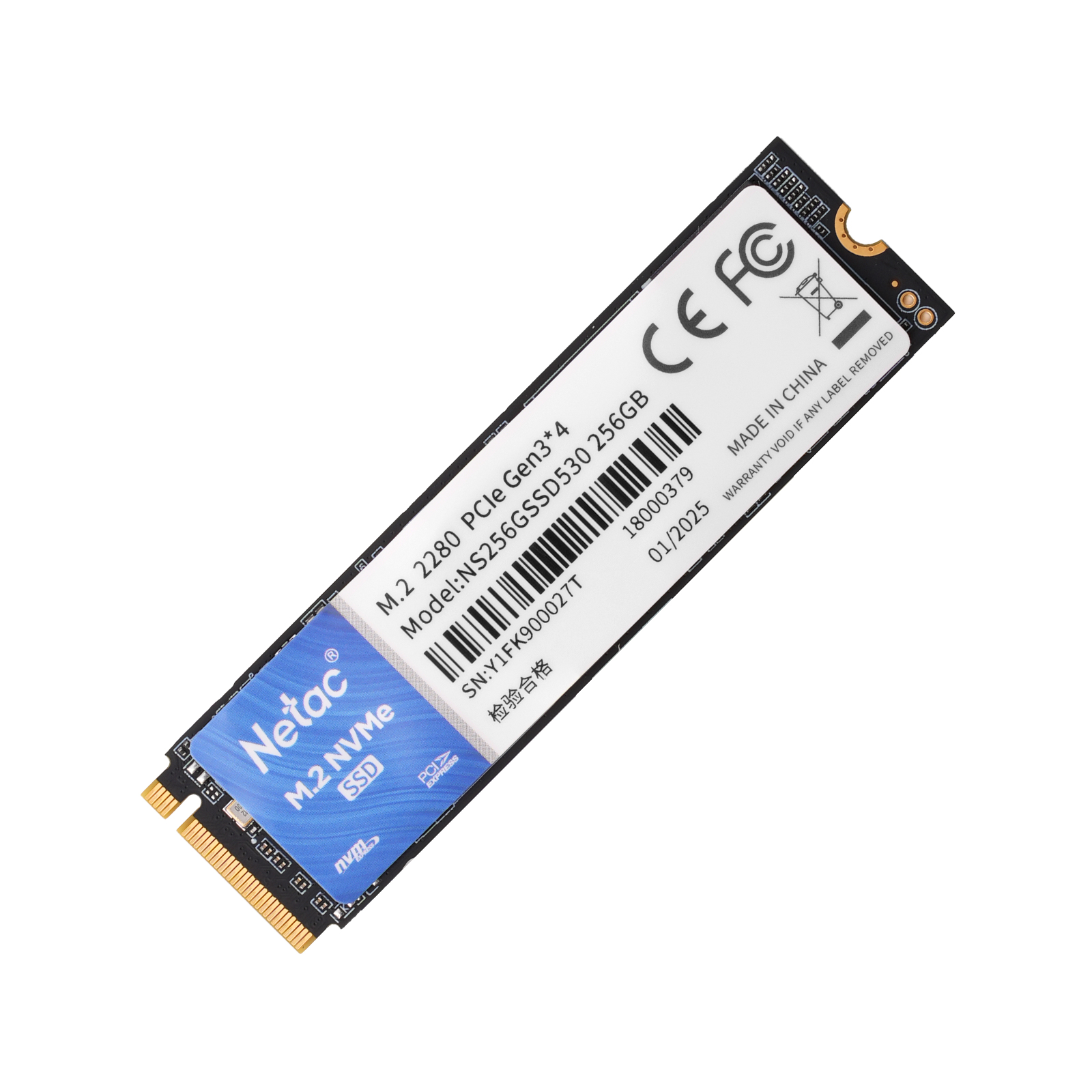
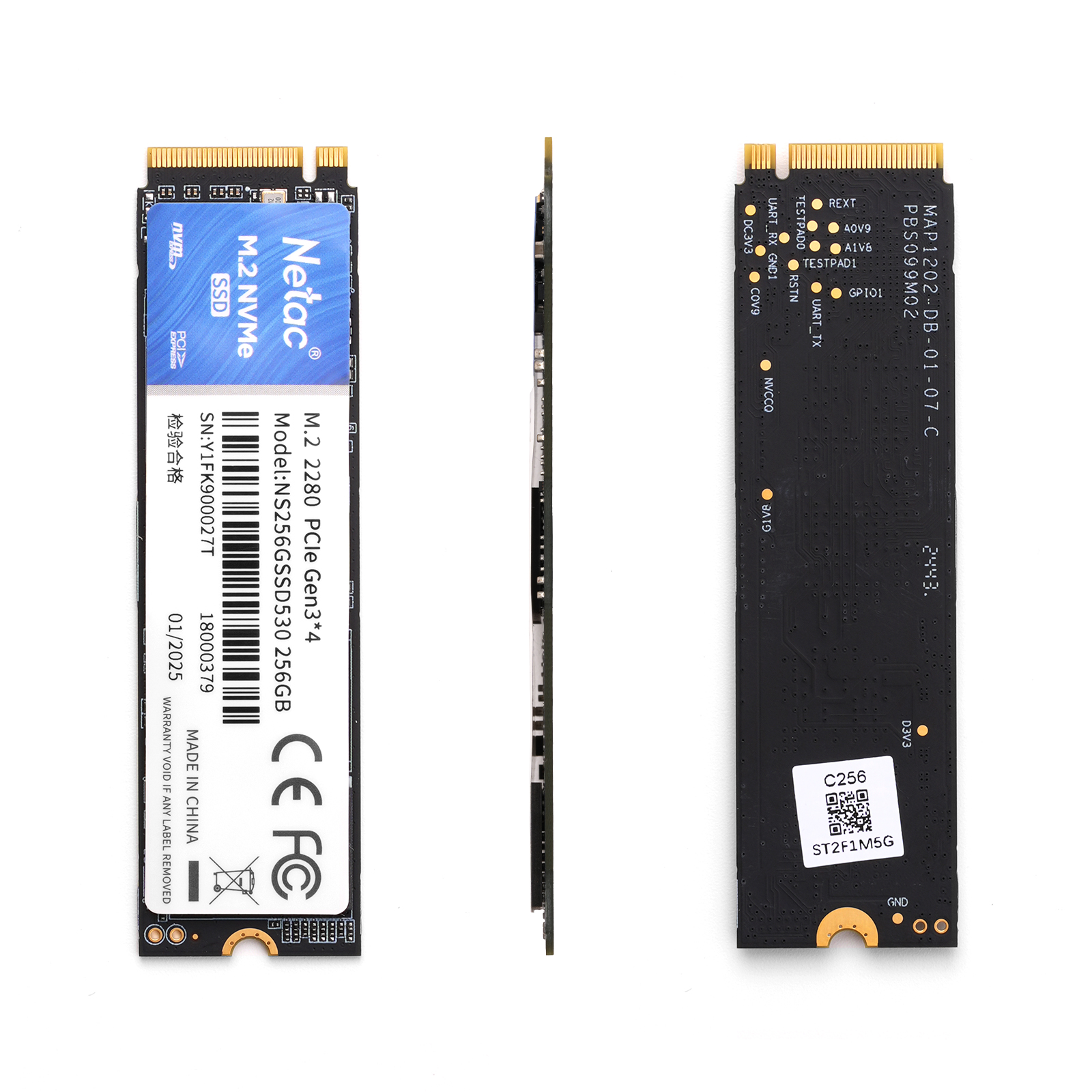
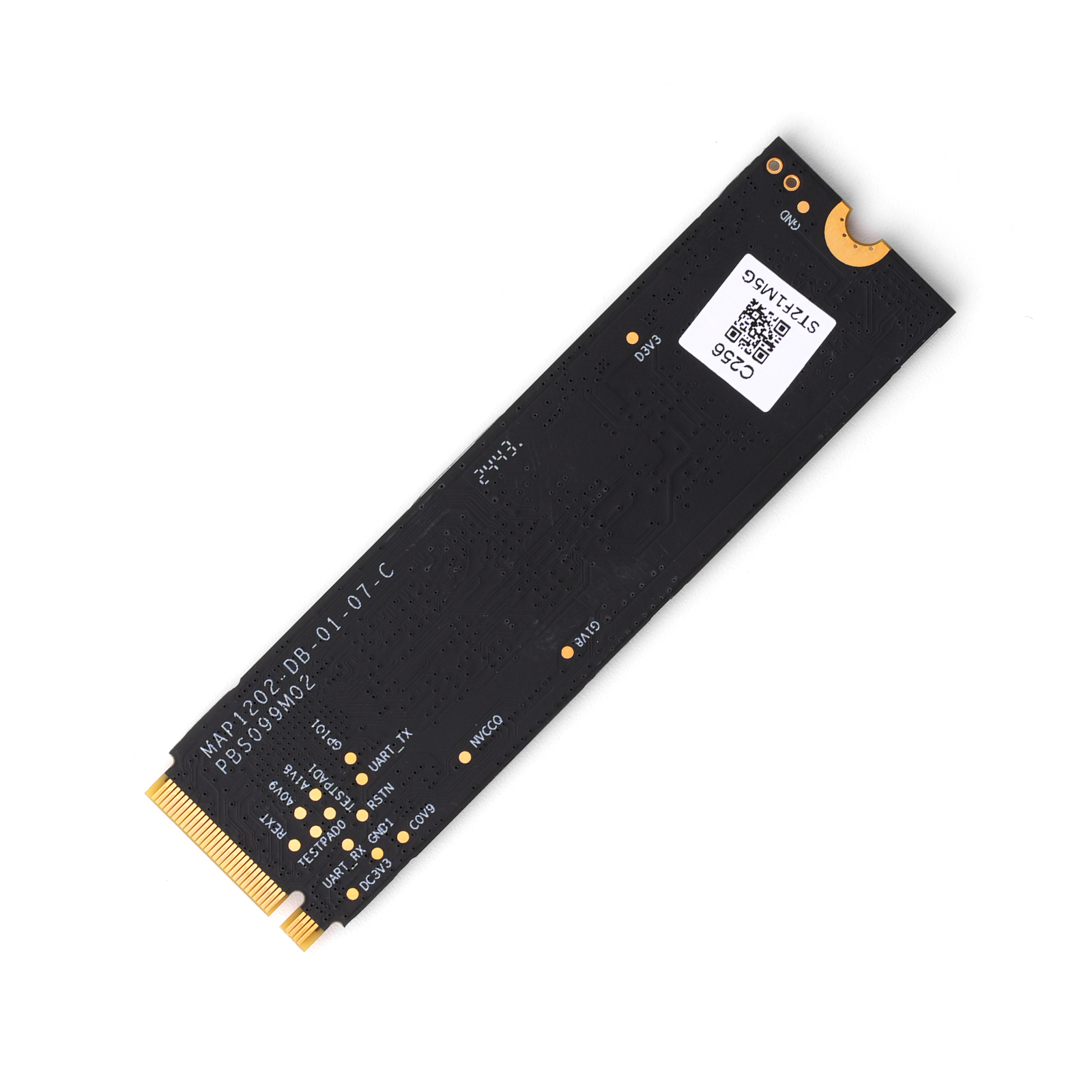
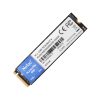
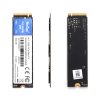
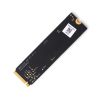
M.2 2280 NVMe SSD 256GB/512GB/1TB, PCIe Gen3 x4
Price range: $75.00 through $200.00
Add 256GB, 512GB, or 1TB of local NVMe storage to the NeoEdge NG4500. This M.2 2280 PCIe Gen3 x4 SSD uses 3D TLC NAND and supports SMART monitoring, wear leveling, and up to 640 TBW. Choose the capacity for your OS, containers, AI models, datasets, and logs. For other hosts, verify M.2 2280 NVMe compatibility before ordering.
- Available in 256GB, 512GB, and 1TB capacities.
- M.2 2280 form factor with a PCIe Gen3 x4 interface and NVMe 1.3 protocol.
- Typical sequential read speeds reach 3190 to 3234 MB/s, depending on capacity and host configuration.
- 3D TLC NAND with 160, 320, or 640 TBW endurance, plus SMART health monitoring.
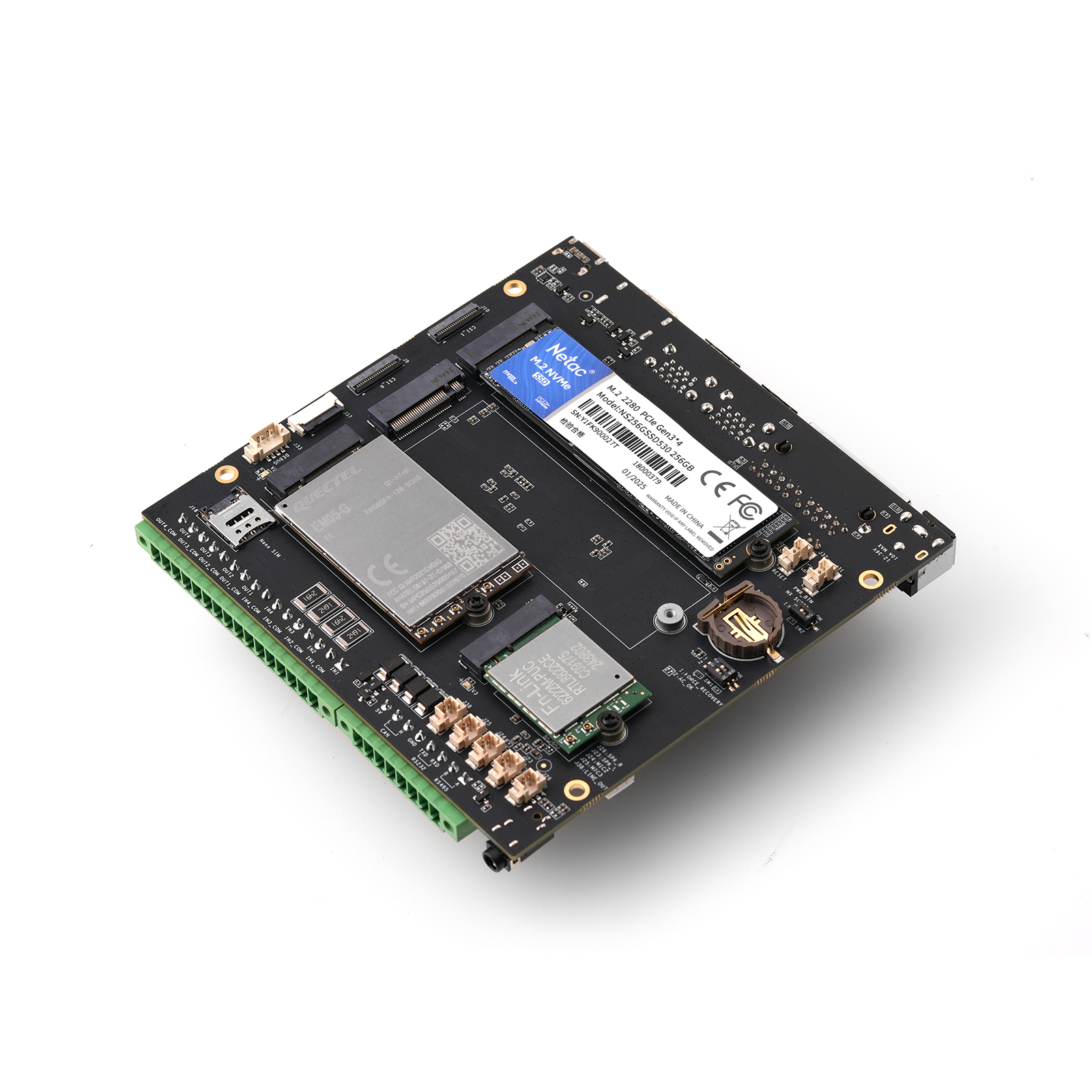
- Documented for the NeoEdge NG4500 and NG4500-CB01 M.2 Key M storage slots.
SKU: N/A
Category: Accessories
Pay with Ease
- Compatibility Guidance
- Bulk Order Pricing
- Project Purchase Support
- Warranty Coverage
- Worldwide Shipping
Contact us at sales@camthink.ai
Product Overview
This M.2 2280 NVMe SSD adds local storage for operating systems, containers, AI models, application data, logs, and video files. It is available in 256GB, 512GB, and 1TB capacities, with PCIe Gen3 x4 connectivity, NVMe 1.3 support, and 3D TLC NAND. The three versions use the same 22 x 80 mm form factor, so capacity and write endurance are the main selection points.
CamThink documents this SSD as an optional accessory for the NeoEdge NG4500 Jetson Orin AI Box and the NG4500-CB01 carrier board. On NG4500, install it in the J11 M.2 Key M PCIe x4 slot for the highest available interface bandwidth. The J13 M.2 Key M PCIe x1 slot also supports storage, but its single PCIe lane limits throughput.
The drive uses SMART health reporting, dynamic and static wear leveling, NANDXtend ECC, over-provisioning, and RAID engine protection. These functions help the host monitor drive health and manage NAND wear, but they do not replace application-level backups. Actual speed depends on the host, PCIe lane count, operating system, firmware, workload, and temperature.
Product Key Features
Three capacity options
Choose 256GB for development systems with a compact software stack, 512GB when containers and local datasets need more room, or 1TB for larger model libraries, logs, and sustained local data capture. The higher-capacity versions also provide higher rated write endurance.
PCIe Gen3 x4 NVMe interface
The drive supports four PCIe 3.0 lanes at up to 8 Gb/s per lane and uses the NVMe 1.3 command set. It is an NVMe SSD, not an M.2 SATA drive. The host must provide an M.2 2280 slot with PCIe NVMe support.
3D TLC NAND and endurance ratings
Rated endurance is 160 TBW for 256GB, 320 TBW for 512GB, and 640 TBW for 1TB. This gives buyers a clear way to match capacity and expected write volume instead of selecting on storage size alone.
Health and wear management
SMART reporting provides drive health information to a compatible host. Dynamic and static wear leveling, NANDXtend ECC, and over-provisioning support NAND management over the service life of the SSD.
Documented NG4500 installation
The NG4500 Quick Start Guide shows the SSD installation location. Use J11 for PCIe x4 bandwidth or J13 when the x4 slot is unavailable and lower x1 throughput is acceptable.
Choose the Right Capacity
| Capacity | Drive model | CamThink SKU | Rated endurance | Typical fit |
|---|---|---|---|---|
| 256GB | NS256GSSD530 | 73.002.000004 | 160 TBW | OS, SDKs, prototypes, and compact edge applications |
| 512GB | NS512GSSD530 | 73.002.000013 | 320 TBW | Containers, AI models, moderate datasets, and application logs |
| 1TB | NS1T0BSSD530 | 73.002.000014 | 640 TBW | Larger model libraries, video data, and write-intensive local workloads |
Important Compatibility Notice
- This is an M.2 2280 PCIe NVMe SSD. It is not compatible with a SATA-only M.2 slot.
- NeoEdge NG4500 and NG4500-CB01 compatibility is documented by CamThink. SSD storage is sold separately from the current NG4500 online configuration.
- For non-CamThink hardware, verify the 2280 mechanical size, PCIe NVMe support, available lane count, 3.3V supply, operating system driver, and enclosure clearance.
What’s Included
- 1 x M.2 2280 NVMe SSD in the selected capacity
Purchase Notes
- Select the required capacity before adding the SSD to the cart.
- SSD storage is not included with the current NeoEdge NG4500 online SKU.
- Mounting hardware is not listed in the current SSD product data. Confirm that the host provides a compatible M.2 retention screw.
- The SSD operating range is 0°C to 70°C. Confirm that the storage location remains within this range even if the host system has a wider ambient temperature rating.
Specifications
General
| Parameter | Specification |
|---|---|
| Product type | Internal solid-state drive |
| Available capacities | 256GB, 512GB, 1TB |
| Form factor | M.2 2280 |
| Dimensions | 22 x 80 x 2.3 mm |
| Weight | 9.5 g or less |
| Interface | PCIe Gen3 x4 |
| Interface speed | Up to 8 Gb/s per lane |
| Protocol | NVMe 1.3 |
| Flash type | 3D TLC NAND |
| Supply voltage | 3.3V, +/-5% |
| Power management | ASPM and APST |
| Low-power states | L0 and L1 |
Environment and reliability
| Parameter | Specification |
|---|---|
| Operating temperature | 0°C to 70°C |
| Storage temperature | -40°C to 85°C |
| Humidity | 90% RH at 40°C, non-condensing |
| MTBF | More than 2 million hours |
| Health monitoring | SMART |
| NAND management | Dynamic and static wear leveling, over-provisioning |
| Error correction | NANDXtend ECC |
| Data protection feature | RAID engine protection |
Capacity and performance comparison
| Model | Capacity | Sequential read | Sequential write | Random read | Random write | Active read |
|---|---|---|---|---|---|---|
| NS256GSSD530 | 256GB | 3190 MB/s | 3061 MB/s | 135K IOPS | 64K IOPS | 2041 mW |
| NS512GSSD530 | 512GB | 3228 MB/s | 3090 MB/s | 134K IOPS | 75K IOPS | 2921 mW |
| NS1T0BSSD530 | 1TB | 3234 MB/s | 3099 MB/s | 132K IOPS | 92K IOPS | 2733 mW |
Performance values are typical, not guaranteed minimums. CamThink's published test platform used an Intel i9-9900X, 32GB memory, an X299 chipset, Windows 10 x64, CrystalDiskMark 8.0, AS SSD 2.0, and IOMeter. Host configuration, firmware, lane count, workload, and temperature can change the result.
You may also like…
-
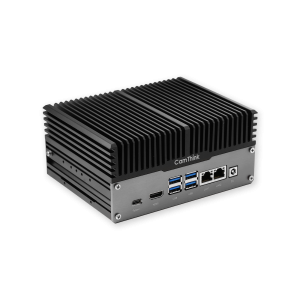
NG4500 Jetson Orin Nano/NX AI Box
Price range: $1,199.00 through $1,799.00Select options This product has multiple variants. The options may be chosen on the product page
Related products
-
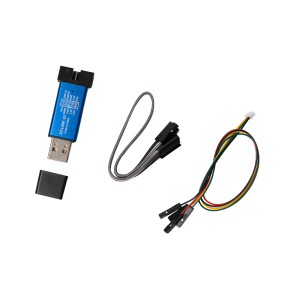
ST-Link V2-Compatible Programmer and Debugger for STM32/STM8, NE301 Cable Included
$9.90 -
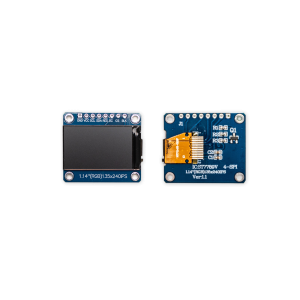
1.14-inch TFT Color LCD Module, IPS Wide Viewing Angle, SPI Interface, ST7789 Driver (135×240 / 3.3V / 8-Pin)
$3.90 -
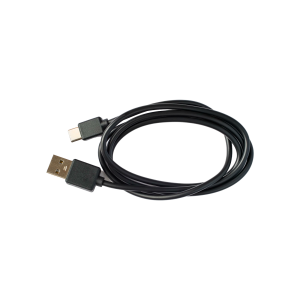
USB-A to USB-C Cable 1.2m
$4.90 -
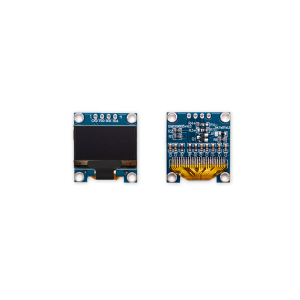
0.96″ OLED Display Module, I2C Interface, SSD1315 Driver (128×64 / 3.3V–5V / 4-Pin / Ultra-High Contrast)
$3.00