Subtotal: $29.90
Multi-Sensor Expansion Board for NE101 and NE301
$23.00
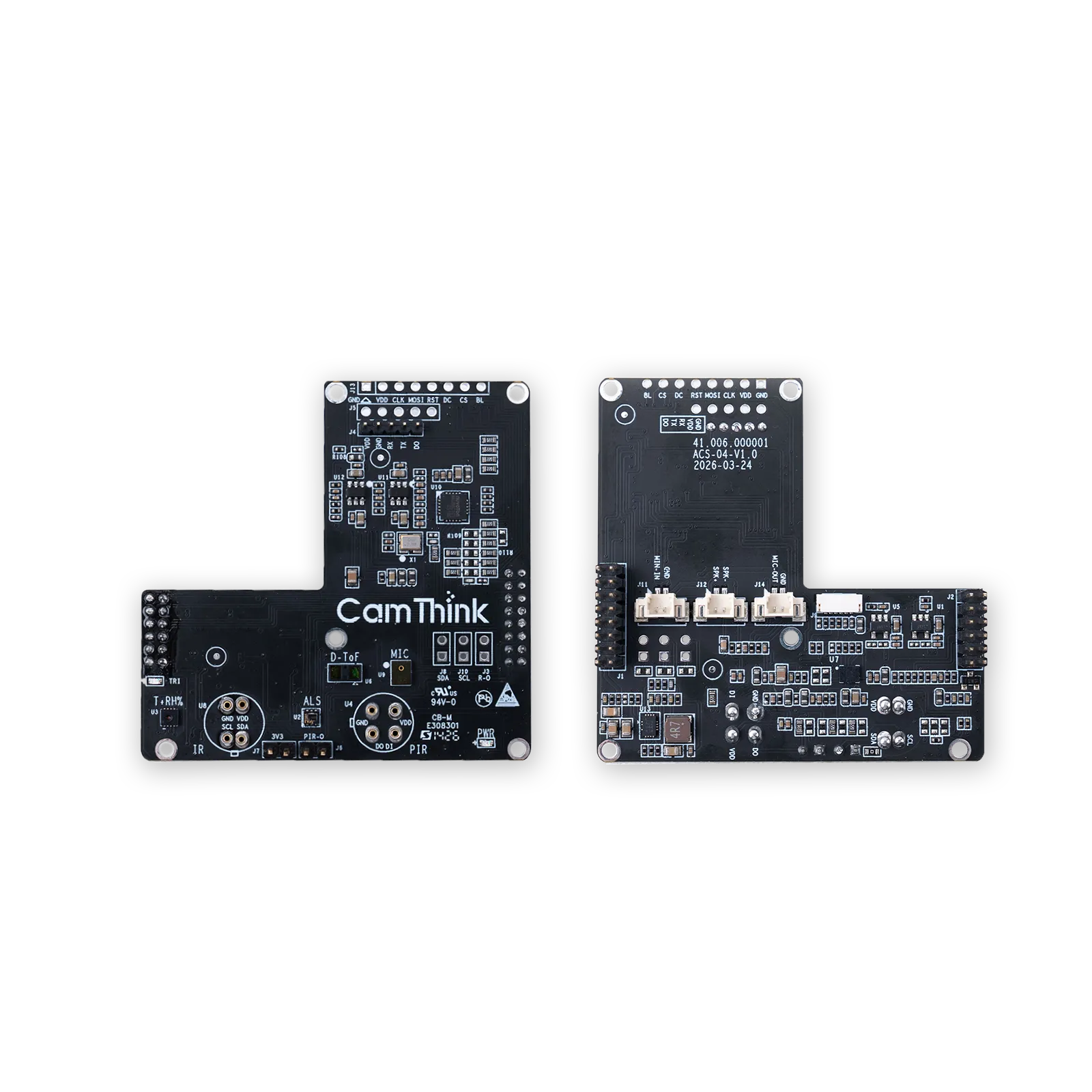
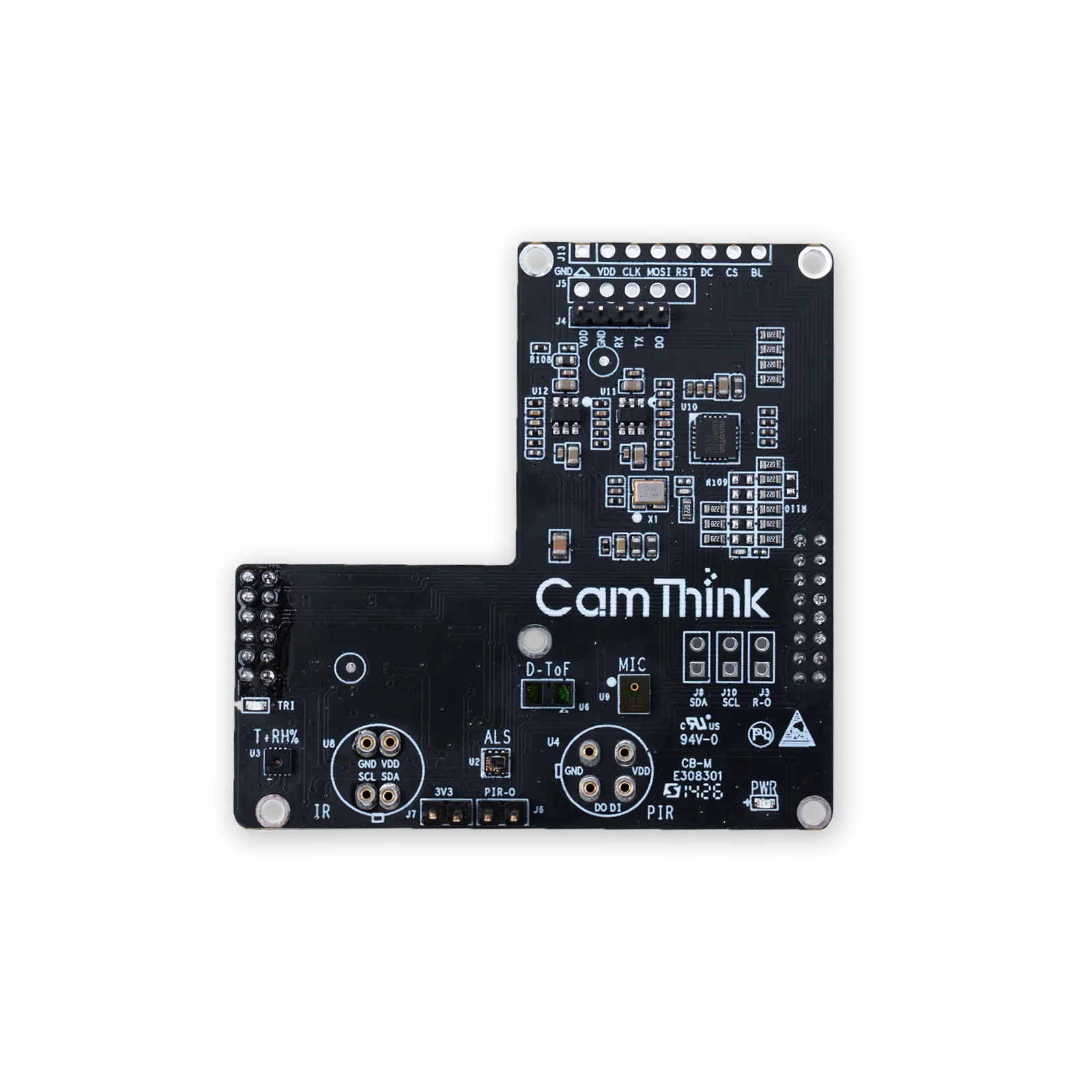
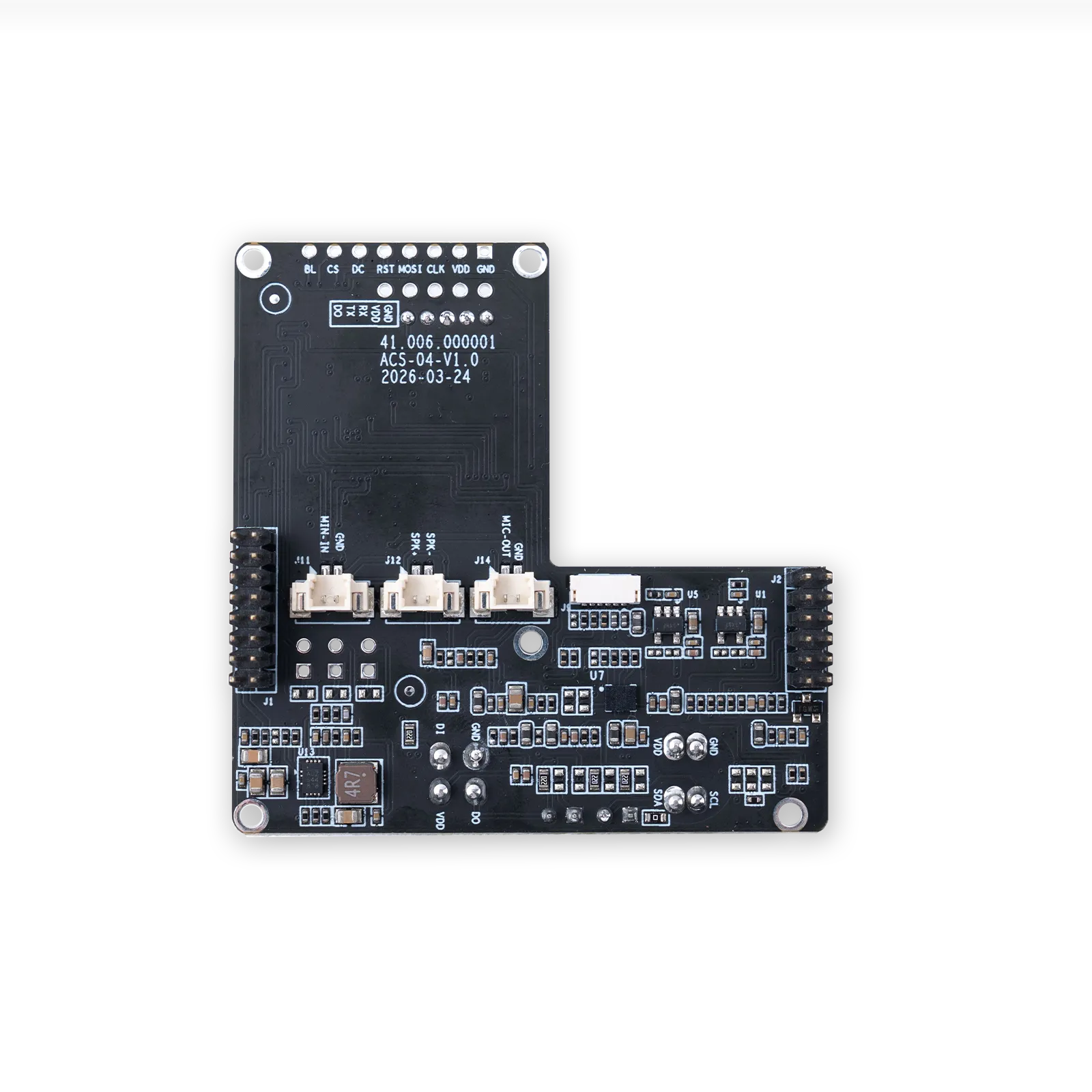
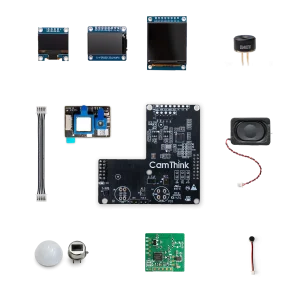
A multi-sensor expansion board for NE101 and NE301, supporting 8+ sensor types, audio, displays, and hardware interrupt wake-up for rapid development of low-power, sensor-triggered edge AI devices across retail, industrial, environmental, and interactive applications.
Product Overview
Designed for the NE101 and NE301 AI mainboards, this expansion board enables developers to build intelligent sensing and interaction devices that combine:
- Ultra-low-power event triggering
- Edge AI processing
- Multi-sensor fusion
- Audio and display interaction
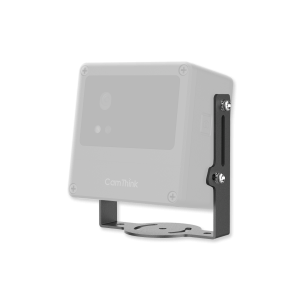
- Modular enclosure configurations
With system sleep current as low as 7–8 μA, supported sensors can wake the main AI processor directly through hardware interrupts. This makes the board suitable for rapid prototyping across multiple applications while allowing the same PCBA design to evolve into production-ready devices.
Key Features
Seamless NE101 / NE301 Integration
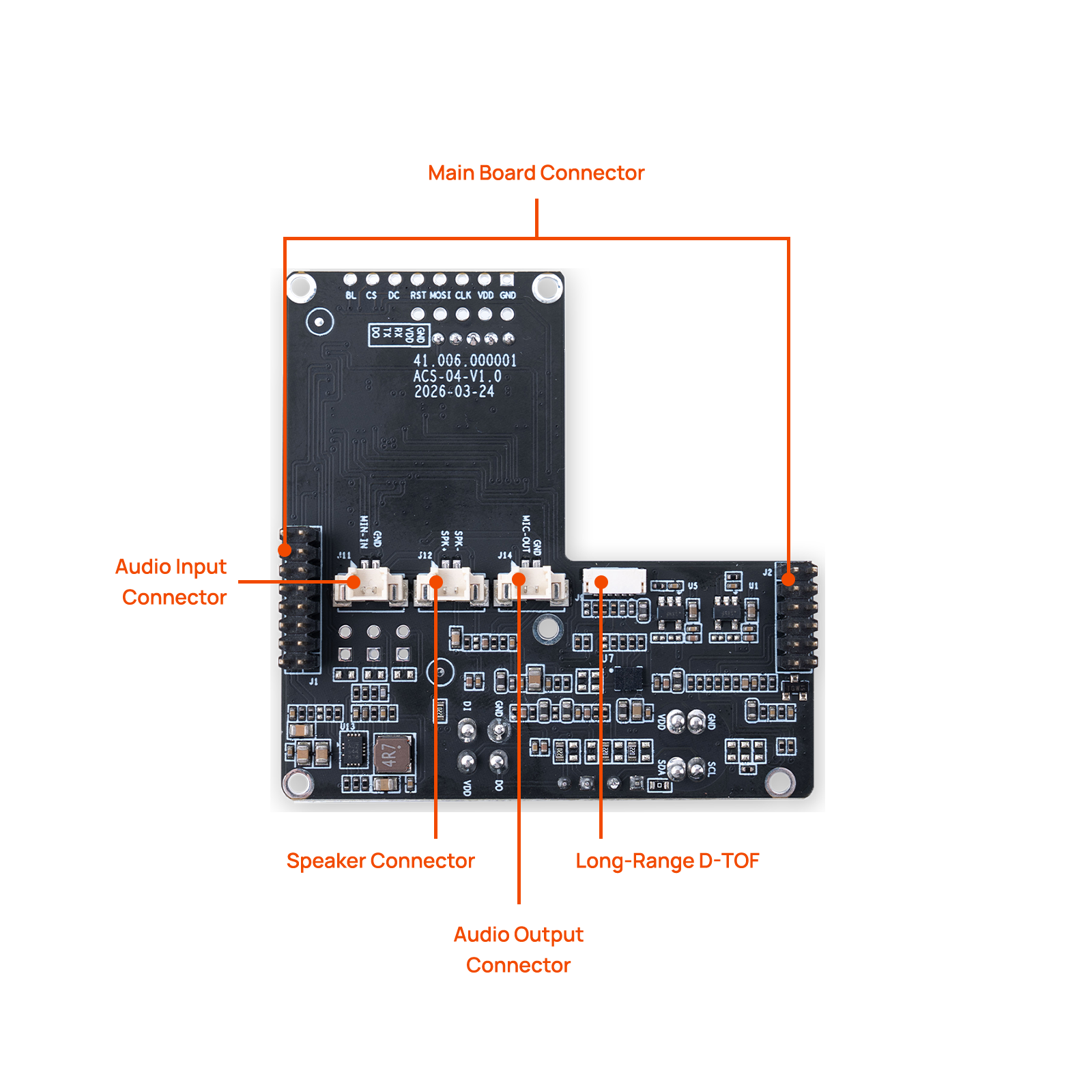
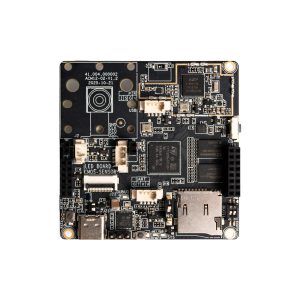
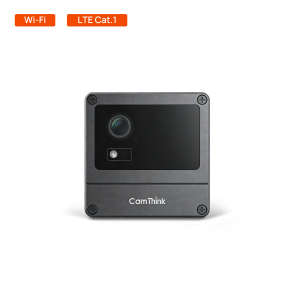
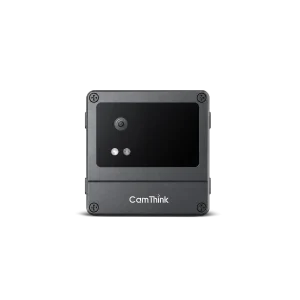
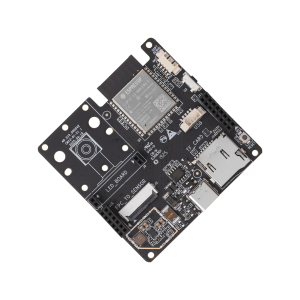
Pin-compatible with the NE101 ESP32-S3 and NE301 mainboards for direct hardware integration.
8+ Sensor Options
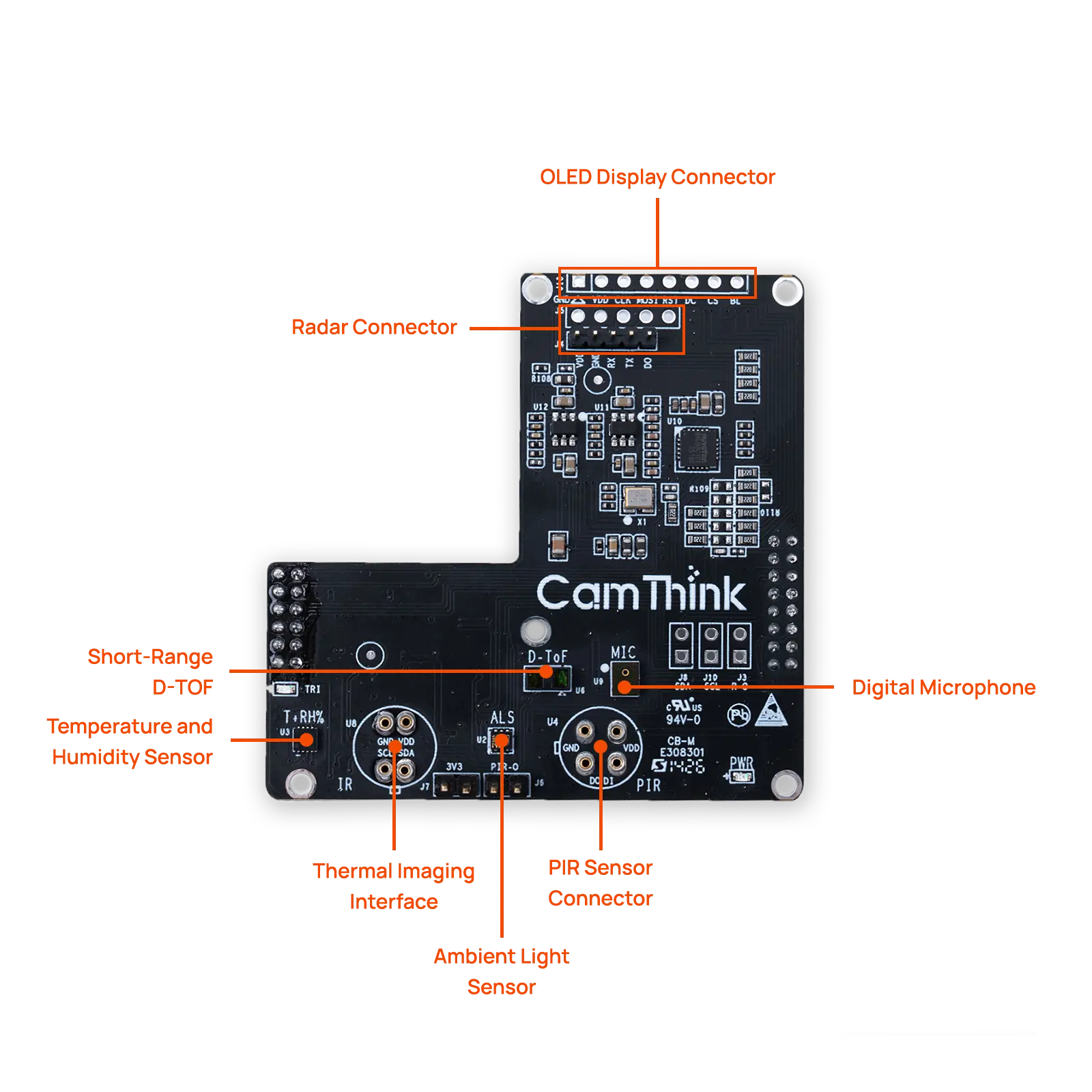
Supports onboard or external sensors including:
- PIR motion sensor
- 24 GHz presence radar
- Short-range and long-range ToF sensors
- Temperature and humidity sensor
- Dual-channel ambient light sensor
- 6-axis IMU
- Thermopile array sensor
Audio and Display Support
Integrates an analog silicon microphone and an 8 Ω, 0.8 W speaker output. SPI interfaces can also drive monochrome OLED or TFT color displays.
Ultra-Low-Power Wake-Up
System sleep current can reach 7–8 μA. PIR, radar, ToF, and IMU sensors can wake the main processor directly through GPIO hardware interrupts for fast event-triggered operation.
Flexible Product Form Factors
A shared sensing platform, dynamically mapped physical components, and modular front-cover design allow one PCBA to support multiple product formats, including:
- Smart greeting terminals
- People-counting devices
- Industrial monitoring nodes
- Environmental sensing devices
Sensor Selection Guide
| Sensor Type | Supported Model | Key Specifications | Interface | Application and Integration Notes |
|---|---|---|---|---|
| Temperature and Humidity | SHT30 | Temperature: 0–90°C, ±0.2°C; Humidity: ±2% RH | I²C | Suitable for accurate environmental monitoring. The enclosure should include ventilation openings. |
| 6-Axis IMU | LSM6DSR | Gyroscope: up to 4,000 dps; Accelerometer: up to ±16 g | I²C / SPI | Low-power operation at approximately 1.2 mA. Supports wake-up triggers for falls, tilt, vibration, and impact events. |
| Presence Radar | RKB1161L | 24 GHz FMCW; motion detection up to 7 m; presence detection up to 4 m | UART / GPIO | Detection sensitivity is configurable by command. The front enclosure must use a non-metallic, RF-transparent material. |
| Thermopile Array | MLX90642 | 32 × 24 resolution; 110° field of view | I²C | Suitable for human presence and fire detection. Requires a compatible lens and software filtering. |
| Long-Range ToF | DTS6012M | 905 nm; measuring range up to 18 m; FOV below 2° | I²C | Narrow-beam design with strong ambient-light resistance. Suitable for precise line-crossing detection. |
| Short-Range ToF | VL53L1CX | 940 nm; measuring range up to 4 m; FOV below 27° | I²C | Suitable for accurate proximity triggering. Cover-window transmission should be calibrated to prevent false triggers. |
| Ambient Light | LTR-311ALS | Dual-channel visible-light and infrared sensing | I²C | Distinguishes natural and artificial light. Lux readings should be calibrated with the final enclosure. |
| PIR Motion Sensor | NP624M-F | ADC and GPIO output modes | GPIO | Ultra-low-power infrared motion detection. Requires a compatible Fresnel lens. |
| Microphone | LMA3729T381 | Analog silicon microphone; sensitivity: −38 dB | Analog | Supports clear voice detection within approximately 1 meter. An acoustic chamber should be designed to reduce wind noise. |
| Speaker Output | 8 Ω, 0.8 W Speaker | 0.8 W at 5 V | Wafer Connector | Supports voice prompts and audible alerts. A vertical connector is provided. |
| Audio Codec | NAU88C10 | Audio encoding and decoding | SAI | Supports digital audio input and output integration. |
Hardware Integration Notes
Shared Communication Buses
Most low-speed sensors—including temperature and humidity, IMU, ToF, ambient light, and thermopile sensors—share the I²C bus.
The recommended interface allocation is:
- I²C: Low-speed sensors
- SPI: OLED or TFT display
- UART: Radar and external communication modules
- GPIO: Hardware interrupt and event-trigger signals
Optical Window Design
When a protective cover is used, the optical openings must be designed carefully.
For the 18 m long-range ToF sensor, use a direct optical channel or light-guiding cone to prevent internal reflections and false readings. PIR and thermopile sensors also require dedicated front-facing lens openings.
Radar and Antenna Considerations
When integrating the 24 GHz radar, do not use metallic paint or large metal components in front of the sensor. Metal materials may block the radar signal and significantly reduce detection performance.
Acoustic Enclosure Design
For outdoor applications, microphone and speaker openings should use waterproof, breathable acoustic membranes.
Separate sealed acoustic chambers are recommended to prevent:
- Water accumulation
- Internal resonance
- Speaker-to-microphone interference
- Excessive wind noise
Example Product Configurations
1. Smart Greeting and Check-In Terminal
Recommended configuration:
NE301 + Display + Short-Range or Long-Range ToF / PIR + Speaker
When a person approaches, the sensor wakes the main processor and camera. The system can then perform face or license plate recognition, display relevant information, and provide voice confirmation through the speaker.
2. Discreet Retail People Counting and Environmental Monitoring
Recommended configuration:
NE301 + 24 GHz Radar, Long-Range ToF, or PIR + Temperature and Humidity Sensor
The device can be ceiling-mounted or side-mounted near an entrance. A radar-transparent enclosure enables unobtrusive monitoring of entry and exit activity, people flow, and environmental conditions, with periodic data reporting to a backend platform.
3. Industrial Anomaly Monitoring and Event Capture
Recommended configuration:
NE301 + LSM6DSR 6-Axis IMU
The device can be mounted on electrical cabinets, machinery, towers, or other structures. It remains in an ultra-low-power state during normal operation and wakes rapidly when abnormal vibration, impact, tilt, or structural movement is detected.
The system can then capture visual evidence and store it locally or send it to a remote platform.
4. Wildlife Monitoring and Camera Trigger
Recommended configuration:
NE301 + PIR / Thermopile Array / ToF + Weather-Resistant Camouflage Enclosure
Multiple sensors can be combined to detect wildlife while filtering interference from moving vegetation and environmental changes.
Once a valid target is detected, the system outputs a low-latency trigger signal to wake or activate an external telephoto camera for image capture.